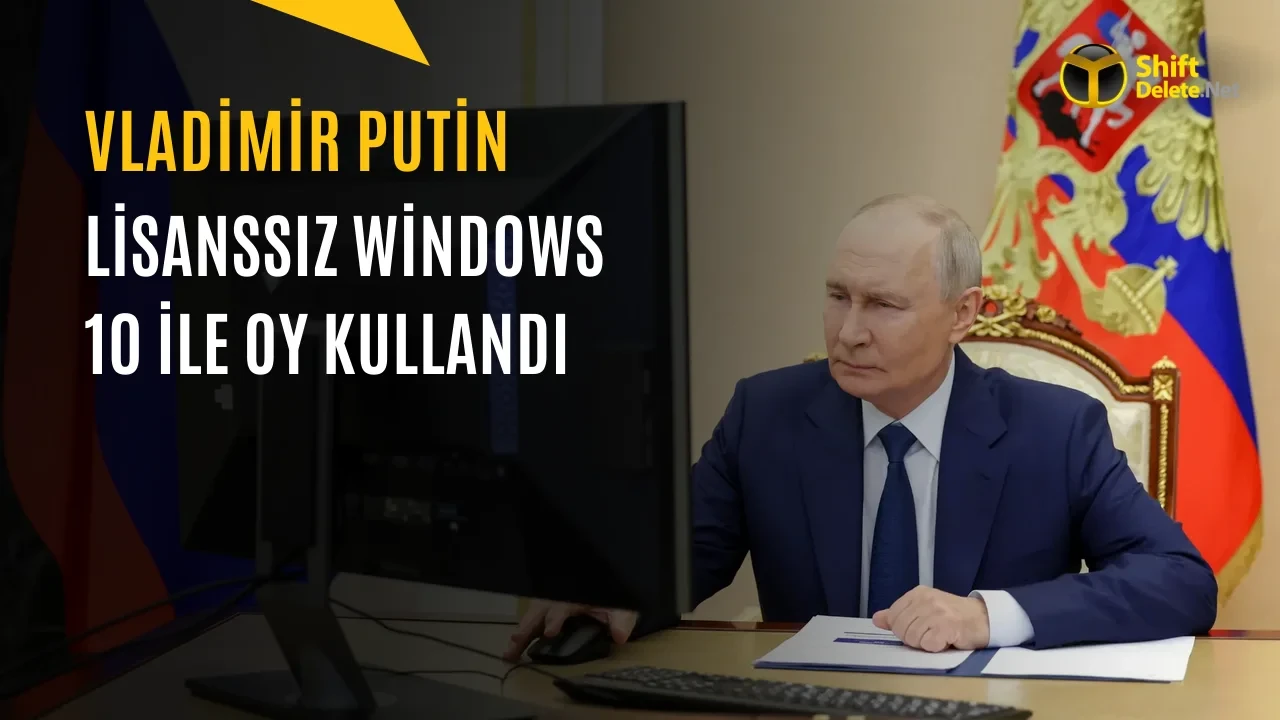
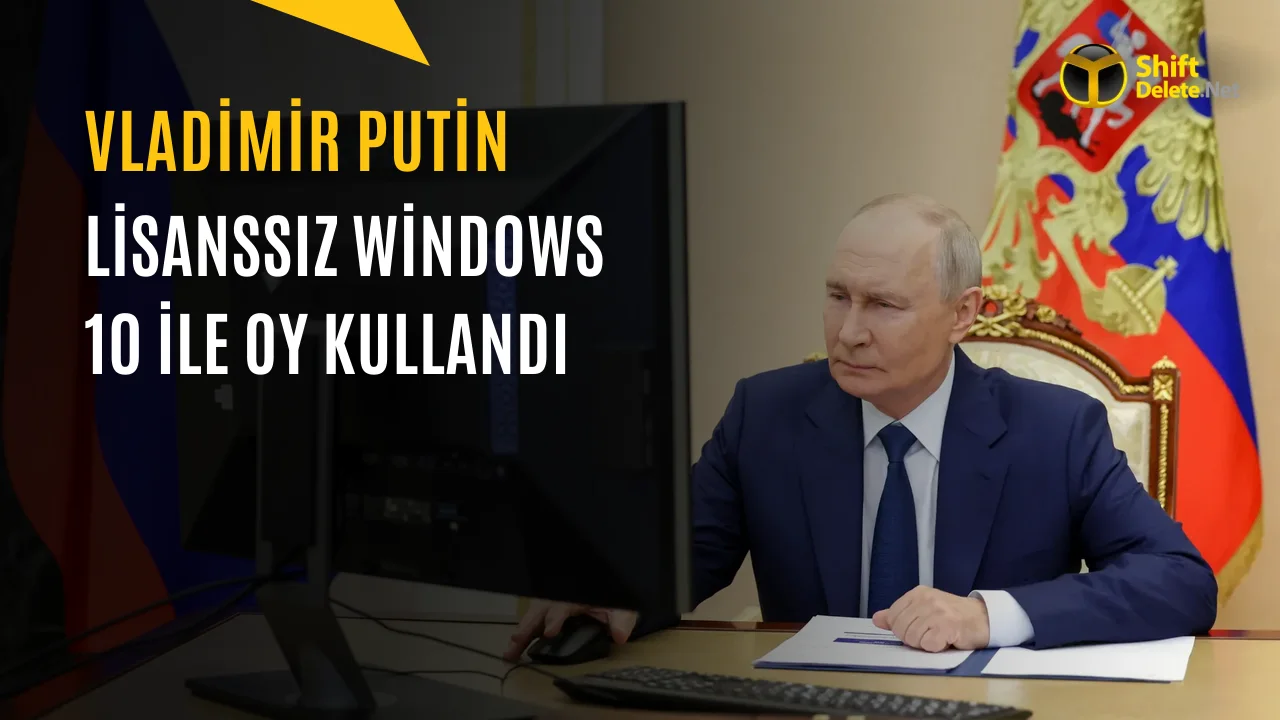
A highly publicized promotional video intended to showcase Russia’s technological modernization and encourage public participation in the country’s digital voting system has instead drawn global attention for glaring technical oversights. Released during the Russian parliamentary elections on Friday, September 18, 2026, the official footage features Russian President Vladimir Putin casting his ballot online. However, rather than projecting an image of seamless state-of-the-art governance, the broadcast has sparked widespread amusement and scrutiny. Sharp-eyed viewers and technology experts quickly noticed that the computer sitting on the president’s desk was manufactured by an American technology giant and was running an unactivated, unlicensed version of Microsoft’s Windows 10 operating system.
The promotional campaign was designed to normalize and promote online voting, a system being heavily pushed by the Kremlin to increase voter turnout and streamline the electoral process. Instead, the video has highlighted a series of embarrassing contradictions for an administration that has spent years championing domestic technology, import substitution, and decoupling from Western software and hardware ecosystems.
Unexpected Software and Hardware Choices
The broadcast features the 73-year-old Russian president seated at a large, polished wooden desk, interacting with a desktop computer to cast his digital vote. While the Kremlin likely intended for the focus to remain on the ease and security of the electronic balloting system, observers were immediately distracted by the hardware and software on display.
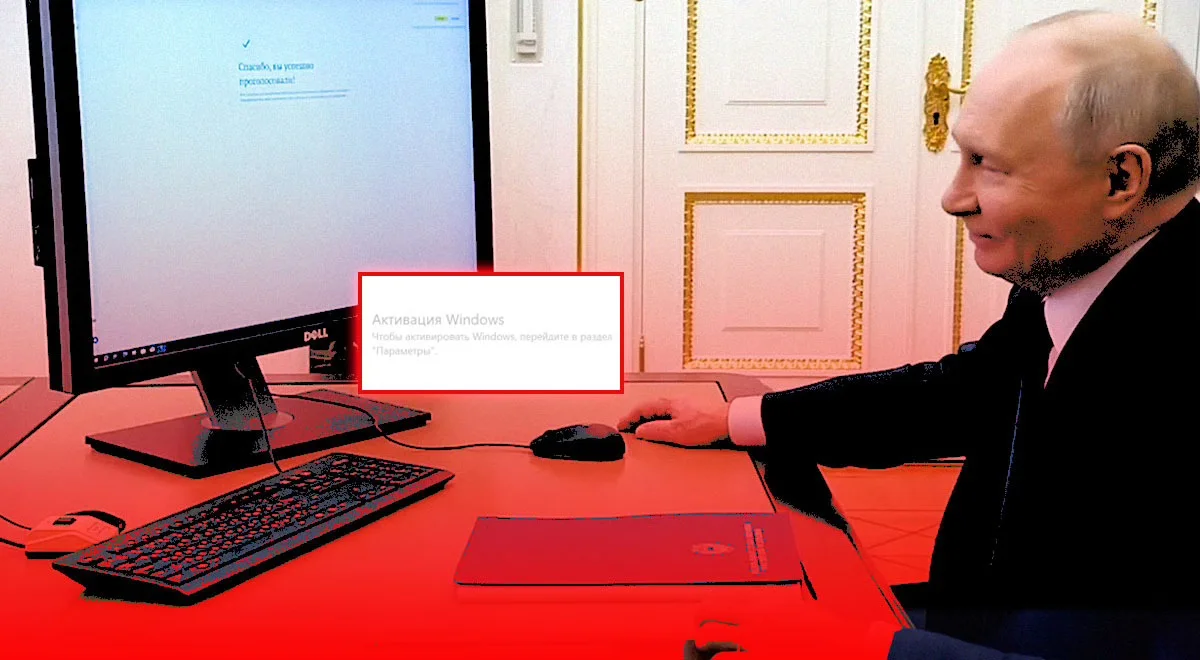
The first notable detail was the physical computer itself. Rather than utilizing a domestic Russian brand, the workstation prominently featured a monitor and system manufactured by Dell, an American multinational technology company. For years, the Russian government has aggressively promoted a policy of technological sovereignty, urging state institutions, military departments, and government offices to abandon foreign-made hardware. Under these state-mandated import substitution policies, Russian organizations are expected to adopt domestic alternatives, such as those produced by the prominent Russian hardware manufacturer Aquarius.
The presence of a Dell computer on the desk of the head of state represents a stark contradiction to these official directives. In the realm of industrial and technological policy, observers view this as a significant discrepancy, demonstrating that even at the highest levels of the Russian government, reliance on Western hardware remains prevalent despite official rhetoric urging the country to decouple from American technology.
Even more surprising than the choice of hardware was the operating system running on the machine. As the camera captured the computer screen, technical analysts and social media users spotted a highly familiar indicator in the bottom-right corner: the distinctive watermark indicating that the computer was running an unactivated copy of Windows 10.
In the consumer tech world, an unactivated version of Windows 10 typically occurs when an operating system is installed without a valid, purchased product license key. While the software remains largely functional, Microsoft restricts certain customization options and overlays a persistent watermark reminding the user to activate the software. For a global superpower to display such a watermark during an official presidential broadcast is highly unusual.
Security and IT experts have offered several explanations for this technical oversight. It is highly improbable that Russia’s actual critical state infrastructure, military networks, or secure government databases rely on unactivated, off-the-shelf consumer software. Such systems are typically heavily guarded, isolated from the public internet, and run on highly secure, officially licensed, or custom-built operating systems.
Instead, analysts suggest that the computer used in the video was likely a temporary prop prepared in extreme haste specifically for the promotional shoot. The most plausible scenario is that the workstation was hastily retrieved from a government storage facility or warehouse shortly before the filming took place. In the rush to set up the desk and ensure that the online voting portal was accessible for the president’s demonstration, IT technicians likely performed a rapid installation of a standard Windows 10 image but bypassed the activation process, assuming the watermark would not be visible or noticed on camera. This logistical shortcut ultimately backfired, transforming a high-profile state demonstration into a source of public embarrassment.
Electoral Context and International Condemnation
The timing of the promotional video coincided with the commencement of the Russian parliamentary elections, which officially began on Friday, September 18, 2026. This election cycle marked the first time that online voting was widely introduced and promoted to the general public on a national scale. The government’s media campaign, culminating in the president’s televised digital vote, was designed to build public trust in the electronic system and encourage citizens to transition away from traditional paper ballots.
After casting his electronic ballot, President Putin delivered a brief address in Russian. However, his remarks quickly drew criticism for their suggestive nature. Commentators noted that the president’s statement contained a thinly veiled implication regarding the futility of the democratic process, suggesting that casting a vote for any candidate or political party outside the ruling United Russia party was ultimately a meaningless gesture. This cynical tone did little to reassure domestic critics who have long questioned the transparency and fairness of the country’s electoral systems, particularly with the introduction of digital voting platforms that independent observers argue are highly susceptible to manipulation.
Beyond the domestic political climate, the elections themselves have triggered a wave of severe international condemnation. While assessing the internal legitimacy of the voting process within Russia remains a complex challenge for external monitors, several foreign governments issued immediate and strongly worded protests.
The governments of Australia, Canada, New Zealand, Norway, and the United Kingdom released coordinated statements expressing deep concern and outright rejection of the electoral proceedings. The primary source of international outrage was Russia’s decision to conduct parliamentary voting within occupied territories of Ukraine.
These allied nations characterized the holding of elections in these regions as a flagrant violation of Ukraine’s sovereignty, independence, and territorial integrity. Furthermore, they emphasized that conducting state elections on occupied foreign soil constitutes a direct breach of the United Nations Charter and international law. Consequently, these governments declared that they would refuse to recognize the legitimacy of any election results originating from these disputed areas, further deepening Russia’s diplomatic isolation on the world stage.
Meanwhile, within the digital sphere, the technical mishaps of the broadcast quickly overshadowed the serious geopolitical debates, triggering a massive wave of internet memes and social media commentary. Technology enthusiasts, system administrators, and ordinary users worldwide took to platforms like X (formerly Twitter) and Reddit to mock the visual ironies of the footage.
Many social media users shared screenshots of the unactivated Windows 10 watermark, joking about the Kremlin’s inability to secure or afford a genuine software license. Others pointed out the immense irony of a state that frequently boasts of its sophisticated cyber capabilities and domestic software developments being caught using basic, unactivated American software for a major presidential address. The juxtaposition of aggressive anti-Western political rhetoric with a reliance on American consumer brands like Dell and Microsoft became the central theme of the online mockery.
Ultimately, the Kremlin’s promotional effort failed to achieve its primary objective. Rather than projecting an image of a modern, technologically self-sufficient, and digitally advanced administration, the broadcast highlighted logistical disorganization, domestic policy contradictions, and a reliance on the very Western technology the state publicly claims to reject. As the parliamentary elections proceed amidst intense international condemnation, the image of an unactivated Windows watermark on a Dell computer will likely remain the most memorable symbol of this electoral cycle.