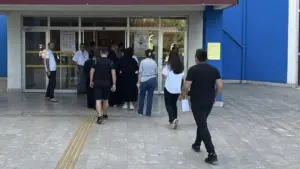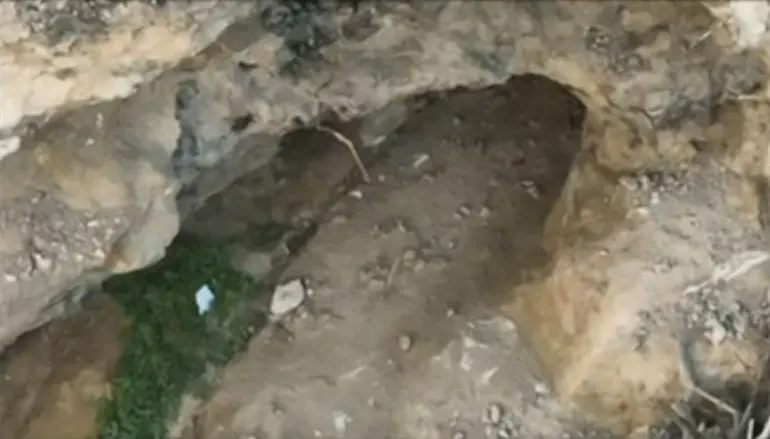
ANKARA – In a development described by security officials as a historic turning point for regional stability, the PKK/KCK terrorist organization has reportedly evacuated four major shelter areas in the Metina region of northern Iraq. The withdrawal, which took place on October 8, 2026, is being viewed as a significant milestone within the framework of the ongoing "Terror-Free Turkey" process—a comprehensive state initiative aimed at ending decades of conflict and fostering a new era of national unity.
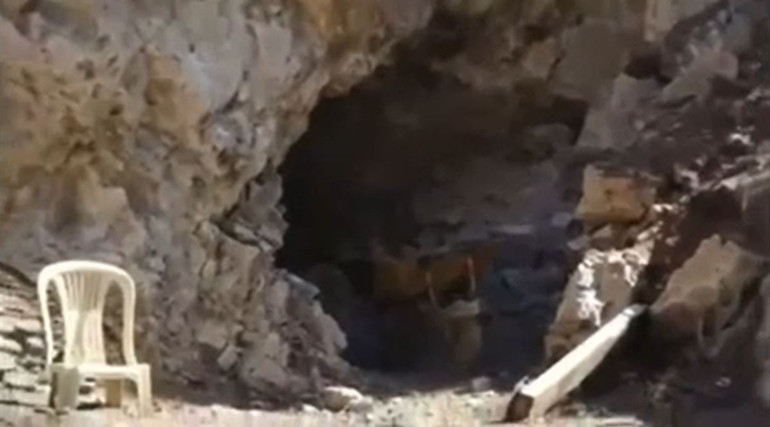
According to information obtained from high-level security sources, the evacuation of these camps marks a tangible shift in the security landscape of northern Iraq. The four specific sites—identified as the Hebat, Yajk, Sabri, and Sason shelter areas—are located within the Baze sub-region of Metina. For years, these locations have served as logistical and operational hubs for the organization, making their abandonment a notable indicator of the changing dynamics on the ground.
The withdrawal is not an isolated event but is instead a key component of the "National Solidarity and Strengthening of Social Integration" vision. This multi-dimensional strategy, which the Turkish government has pursued with unwavering determination, seeks to permanently resolve the issue of terrorism through a combination of military pressure, legal frameworks, and social programs. Sources emphasize that the process is being conducted without compromise, with the ultimate goal of securing Turkey’s future and strengthening the bonds of brotherhood between Turkish and Kurdish citizens.
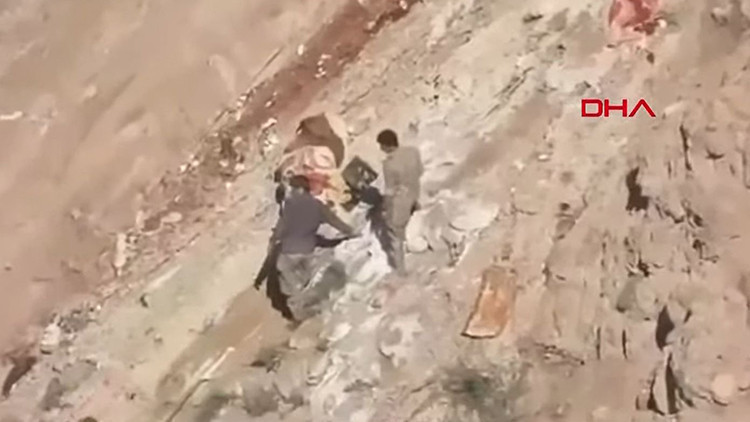
A Strategic Shift in the Metina Region
The Metina region, characterized by its rugged terrain and strategic proximity to the Turkish border, has long been a focal point of counter-terrorism operations. The evacuation of the Hebat, Yajk, Sabri, and Sason camps on October 8 follows months of intensive diplomatic and security efforts designed to mitigate the risk of conflict in these shelter areas. Security sources indicate that the vacating of these sites is a direct result of the "Terror-Free Turkey" roadmap, which prioritizes the cessation of all militant activities as a prerequisite for subsequent phases of the peace and integration process.
The "National Solidarity" vision posits that the establishment of lasting stability requires more than just military success; it necessitates a comprehensive transformation of the social and political environment. By clearing these areas of armed elements, the state aims to pave the way for a more secure border and a more unified domestic front. This development is being characterized as a clear demonstration that the process, despite its complexities, is moving forward according to the established timeline and objectives.
Security experts suggest that the abandonment of these specific camps—which have historically provided cover for the organization’s activities—serves as a barometer for the broader effectiveness of the state’s current policy. As the PKK/KCK scales back its presence in these conflict-prone zones, the focus is increasingly shifting toward the mechanisms of social consensus and the eventual reintegration of individuals into the fabric of Turkish society.

The Vision of National Solidarity and Social Integration
The "Terror-Free Turkey" process is built upon the premise that a lasting peace can only be achieved through "National Solidarity and the Strengthening of Social Integration." This vision, according to government sources, is being implemented to ensure that the Turkish-Kurdish brotherhood is not merely a slogan but a lived reality for all citizens. The process is described as "multi-dimensional," involving synchronized efforts in education, economic development, and legal reform.
A critical aspect of this vision involves the transition from conflict to social harmony. Once the organization’s activities in all regions are terminated, the process is expected to move into a phase of social reconciliation. This phase will involve the return of former organization members to Turkey, provided they meet the criteria established by law. The objective is to facilitate their transition back into civilian life through integrated programs that address both economic needs and social adaptation.
Education and economic initiatives are at the heart of this integration strategy. The government plans to launch specialized programs designed to provide former militants with the skills and opportunities necessary to contribute positively to society. By focusing on these pillars, the state hopes to prevent the recurrence of radicalization and to ensure that every individual has a stake in the country’s collective prosperity. Security sources reiterate that the success of this process will allow all segments of society to live hand-in-hand in peace and tranquility across every corner of the nation.

The Chronological Development of the "Terror-Free Turkey" Process
The current developments in northern Iraq are the culmination of a process that began two years ago. To understand the significance of the evacuation of the Metina camps, it is necessary to examine the chronological and institutional foundations of the "Terror-Free Turkey" initiative.
The Inception (October 2024):
The process effectively began in October 2024, following a series of historic calls made by Nationalist Movement Party (MHP) Chairman Devlet Bahçeli within the Turkish Grand National Assembly (TBMM). These calls, which emphasized the need for a definitive end to terrorism through national consensus, were subsequently supported by President Recep Tayyip Erdoğan and the cabinet. This political alignment transformed the initiative from a proposal into a formal state policy, backed by the highest levels of government.
Legal Infrastructure (August 18, 2026):
The legal framework governing the process was formalized through legislation that entered into force on August 18, 2026. It is important to note that this regulation does not constitute a general amnesty. The law explicitly excludes high-ranking leaders of the organization and individuals who have been involved in "aggravated crimes," such as intentional homicide. This distinction ensures that those responsible for the most serious atrocities remain accountable, while providing a pathway for lower-level members to return to society.

The Postponement Mechanism:
A central feature of the legal framework is the mechanism for the postponement of trials. Following the confirmation of disarmament and in accordance with the decisions of the National Security Council (MGK), the files of individuals being prosecuted for "membership in a terrorist organization" or "aiding and abetting" can be postponed for a period of five to ten years. If the individuals involved do not engage in any criminal activity during this probationary period, their sentences or charges are slated to be dropped. This mechanism is designed to serve as a bridge toward full social reintegration while maintaining a period of legal oversight.
Institutional Oversight and Management
The "Terror-Free Turkey" process is managed through a rigorous institutional structure to ensure transparency, accountability, and coordination across different branches of the state.
At the executive level, the coordination of the initiative is handled by a specialized board chaired by Vice President Cevdet Yılmaz. This board includes representatives from relevant ministries and the National Intelligence Organization (MİT). This high-level oversight ensures that the security, legal, and social aspects of the process are synchronized and that any obstacles are addressed with the full weight of the executive branch.
Furthermore, a dedicated monitoring commission has been established within the Turkish Grand National Assembly. Consisting of 17 members, this commission is responsible for overseeing the progress of the initiative and ensuring that it remains aligned with the legislative intent. The involvement of the TBMM provides a layer of democratic oversight and allows for a broader political consensus as the process evolves.
Looking Ahead: The Promise of a Peaceful Future
As the PKK/KCK continues to vacate its positions in northern Iraq, security sources emphasize that every step taken under the "National Solidarity" mission is a harbinger of a more peaceful future. The ultimate goal is the permanent establishment of internal peace, allowing the nation to move past the era of conflict and focus on its collective development.
The developments in the Metina region are seen as a validation of the state’s resolve. By combining a firm security posture with a clear and compassionate path for social integration, the "Terror-Free Turkey" process aims to resolve one of the most enduring challenges in the country’s modern history. Sources close to the process state that the goal is to build a future where the Turkish-Kurdish brotherhood serves as the bedrock of a stable, prosperous, and unified nation.
While the evacuation of the Hebat, Yajk, Sabri, and Sason camps is a significant tactical development, its true value lies in its contribution to this broader strategic vision. As the process moves into its next phases, the focus will remain on ensuring that the stability achieved on the ground translates into lasting social harmony and a definitive end to the threat of terrorism within Turkey’s borders.