For home cooks across the country, the late afternoon invariably brings a familiar, recurring dilemma: what to prepare for dinner. Answering the daily question of how to construct a meal that is comforting, nutritionally balanced, and appealing to the entire family often demands both creativity and time. To alleviate this everyday kitchen fatigue, culinary experts frequently recommend turning toward traditional regional gastronomy, where well-orchestrated courses naturally complement one another in flavor, texture, and temperature.
A curated daily dinner menu designed around seasonal home cooking brings together some of the most celebrated elements of Turkish cuisine. Starting with an appetite-awakening bowl of classic red lentil soup, the meal progresses to a centerpiece of söğürme kebab—featuring charred vegetables and tender meatballs finished with sizzling melted butter—accompanied by an aromatic pilaf made with ancient siyez bulgur. To balance these hearty, savory components, the table is brightened with a crisp tomato and arugula salad dressed in a tart pomegranate vinaigrette, alongside a regional Van-style cacık enriched with strained yogurt and butter. The dining experience concludes on a comforting note with traditional semolina halva studded with toasted pine nuts, presenting a complete culinary narrative that transforms a routine weeknight meal into an extraordinary dining occasion.
Mercimek Çorbası: The Comforting Foundation of the Table
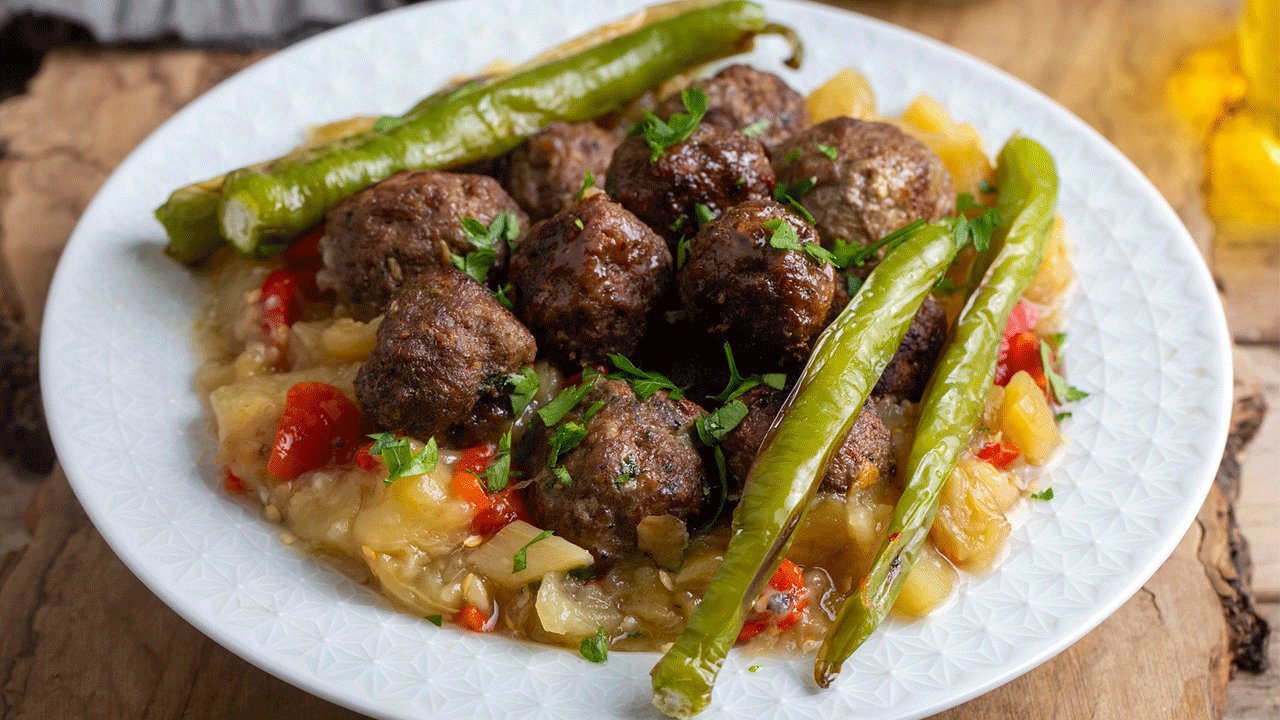
In the culture of home dining, soup is rarely treated as a mere afterthought; it serves as the essential threshold of the meal, setting the tone for everything that follows. Among the wide spectrum of traditional broths and potages, red lentil soup—known locally as mercimek çorbası—remains an indisputable staple of the home kitchen. Its velvety consistency and soothing warmth make it an ideal opening course, gently waking the palate and preparing the appetite for the richer dishes to follow.
The enduring popularity of red lentil soup stems from its deceptively simple composition and its universally comforting nature. As the lentils simmer gently, they break down into a naturally smooth, creamy purée without requiring heavy starches or artificial thickeners. When served hot, often with a wedge of fresh lemon to provide a bright, citrusy lift, the soup provides an immediate sense of warmth and hospitality. For generations of families, sitting down to a steaming bowl of red lentil soup represents a transition away from the busyness of the working day into the shared conviviality of the family dinner table. Its inclusion at the start of the menu ensures that the meal begins on a wholesome, familiar, and deeply satisfying note.

Söğürme Kebabı: Bringing the Grandeur of Regional Kebabs Home
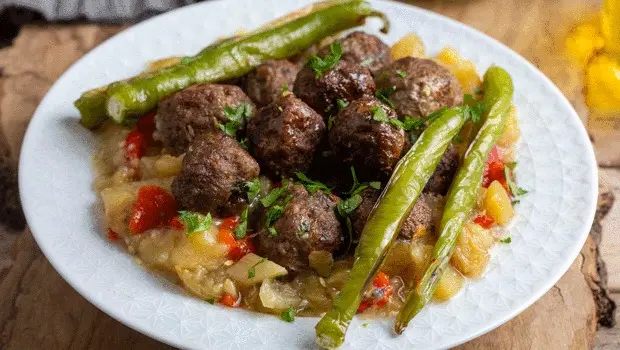
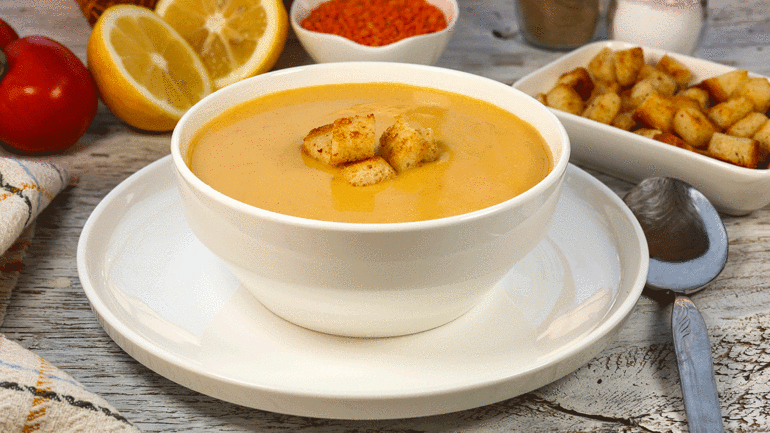
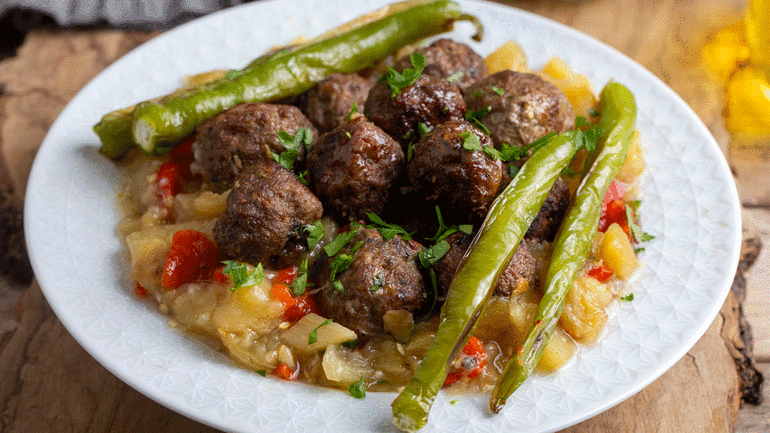
The centerpiece of this daily feast is söğürme kebabı, an evocative dish that draws on the deep culinary heritage of Anatolia’s southeastern grilling culture while remaining entirely achievable within the confines of a home kitchen. While the word "kebab" frequently conjures images of commercial charcoal pits and specialized skewers, this preparation demonstrates how traditional regional flavor profiles can be brought to the domestic stove and oven with remarkable ease and visual elegance.
At the heart of the dish is "söğürme," a culinary technique centered around the thorough charring of fresh vegetables—chiefly eggplants and peppers—until their skins are completely blackened and their flesh turns tender, sweet, and imbued with an irresistible smokiness. Once peeled and gently seasoned, these charred vegetables are arranged as a soft, aromatic foundation on the serving platter. Resting atop this smoky vegetable bed are carefully prepared meatballs, crafted to remain remarkably tender and succulent during cooking.

The crowning touch of söğürme kebabı, and the detail that elevates it from a modest family dinner to a centerpiece worthy of welcoming dinner guests, is the final application of hot melted butter poured directly over the assembled platter just before it reaches the table. The heat of the sizzling butter interacts with the spices in the meatballs and draws out the deep, caramelized notes of the roasted vegetables below. The result is a multi-layered presentation that delights the senses with contrasting textures and rich, enveloping aromas, offering home cooks an accessible route to genuine regional flavor.
Siyez Bulgur Pilavı: Celebrating the Depth of Ancient Grains
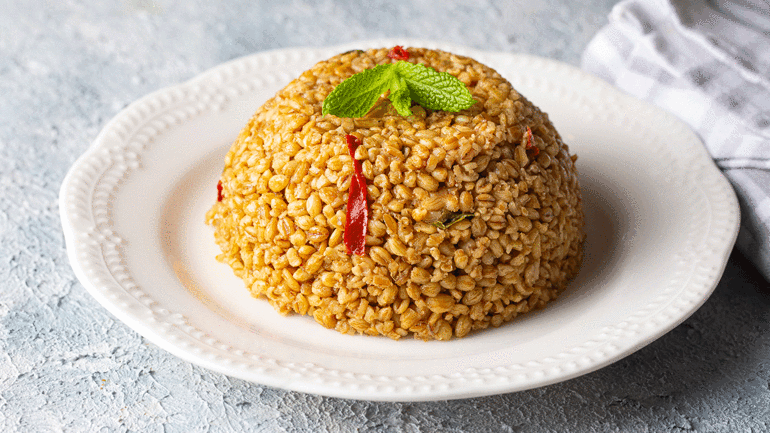
A magnificent meat dish requires an equally thoughtful accompaniment, and rather than defaulting to conventional white rice, this menu pairs the söğürme kebab with an aromatic pilaf crafted from siyez bulgur. Derived from Einkorn wheat, widely considered one of the oldest domesticated crops in agricultural history, siyez bulgur brings a distinctive rustic character, exceptional nutritional value, and a firm, pleasant chew to the dining table.

Unlike modern refined grains, siyez retains an earthy, slightly nutty profile that withstands bold seasoning and slow simmering. In this preparation, the ancient grain is enriched through the patient sautéing of onions and fresh peppers, which release their natural sweetness into the cooking fat before rich tomato and pepper pastes are introduced. As the bulgur gently cooks in seasoned broth, each grain absorbs the concentrated savory essence of the aromatics while maintaining its structural integrity, resulting in a pilaf where the grains separate cleanly rather than clumping together.
The pairing of siyez bulgur pilaf with the söğürme kebab is deliberate and harmonious. The dense, nutty texture of the ancient grain provides a robust counterpoint to the tender, delicate meatballs, while its seasoned, savory warmth complements the smokiness of the charred eggplant base. Beyond its undeniable gastronomic appeal, the pilaf anchors the meal with sustained energy and wholesome fiber, reflecting the timeless wisdom of traditional culinary pairings.
Domatesli Roka Salatası: A Fresh, Tart Intermezzo
With the table anchored by the richness of spiced meat, sizzling butter, and hearty grains, the inclusion of a vibrant, refreshing salad is vital to maintain sensory balance throughout the meal. The tomato and arugula salad serves precisely this role, introducing sharp, crisp textures and bright acidic notes that refresh the palate between bites of kebab and pilaf.
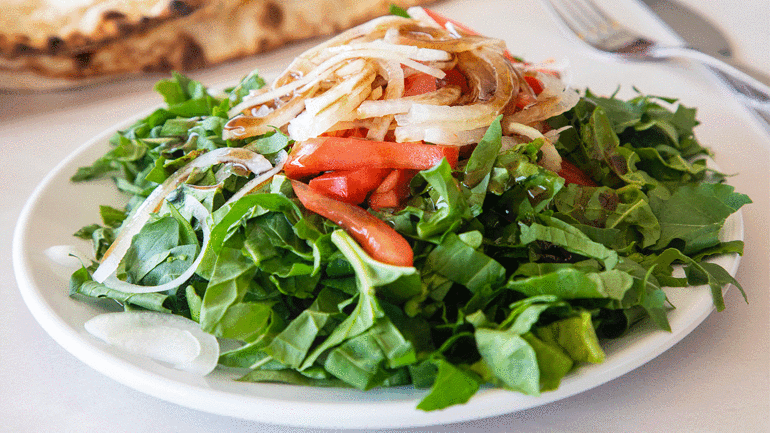
The salad brings together fresh, peppery arugula leaves, sweet ripe tomatoes, and thinly sliced onions. The peppery bite inherent to fresh wild rocket cuts effortlessly through the rich fats of the main course, while the ripe tomatoes contribute juicy freshness and a subtle natural sweetness. The sliced onions introduce a clean, sharp punctuation that enlivens the entire blend.
What truly ties the salad together is its tangy dressing, crafted from an assertive emulsion of cold-pressed extra virgin olive oil, freshly squeezed lemon juice, and traditional pomegranate molasses. The pomegranate molasses imparts a deep, fruity tartness with a faintly sweet undertone that clings to the dark green leaves and tomato wedges. This lively acidity plays a critical role in the overall architecture of the menu, cutting through heavier flavors and ensuring that each subsequent mouthful of the savory dishes remains as enjoyable as the first.
Van Cacığı: A Distinctive Regional Twist on a Familiar Classic
Cacık, in its many forms, is one of the most beloved cooling accompaniments in Middle Eastern and Mediterranean dining, typically composed of cool yogurt, diced cucumbers, garlic, and fresh herbs. However, this menu highlights a regional variant with unique geographic heritage: Van cacığı, originating from the historic Van province in Eastern Anatolia.
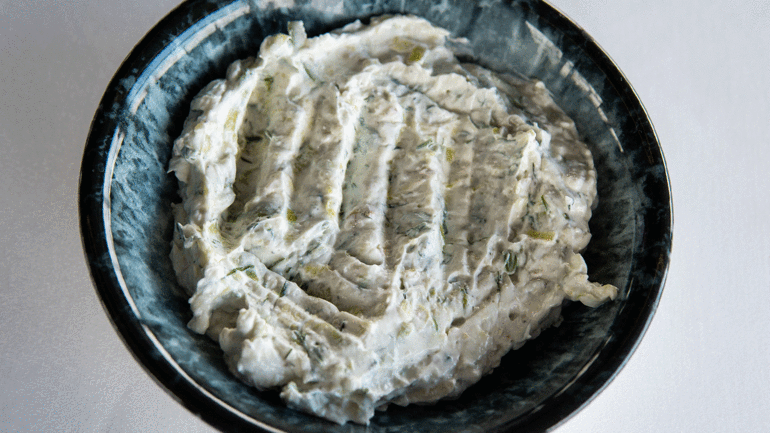
While standard household cacık often adopts a light, fluid consistency, Van-style cacık is celebrated for its denser, richer body, built upon the foundation of thick strained yogurt. Finely diced crisp cucumbers provide a refreshing crunch, while a generous medley of fresh aromatic greens—including fragrant dill, clean parsley, and pungent scallions—infuses the yogurt with vibrant color and herbal complexity.
The defining characteristic that sets Van cacığı completely apart from standard yogurt appetizers is the traditional incorporation of rich butter. Blending pure dairy butter into the strained yogurt transforms the dish from a simple refreshing side into a luxurious, spreadable creation with a uniquely rounded mouthfeel. Served cool alongside the hot söğürme kebab and warm siyez pilaf, this regional specialty offers a cooling, creamy contrast that softens the piquant spices of the meal while celebrating the ingenuity of local Anatolian dairy traditions.
İrmik Helvası: A Timeless and Fragrant Finale
No traditional gathering around the evening table feels truly complete without a sweet conclusion, particularly one that pairs naturally with freshly brewed black tea. For this daily menu, the chosen dessert is irmik helvası—classic semolina halva—a cherished confectionery deeply woven into the fabric of home hospitality and celebratory life.
The secret to an exceptional semolina halva lies entirely in patience and the careful manipulation of temperature. Coarse durum wheat semolina is gently and continuously stirred in melted butter over moderate heat, allowing the grains to slowly toast and deepen in color. As the semolina roasts, it develops a deep, toasty aroma that fills the kitchen, signaling the transformation of modest ingredients into something decadent. Pine nuts, introduced during the roasting process, turn a warm golden-brown, contributing a delicate, buttery crunch that breaks through the soft graininess of the cooked semolina.
Once the semolina has attained its ideal toasted amber hue, a sweet, warm syrup is carefully introduced, causing the mixture to bubble vigorously before the grains absorb the liquid completely. Allowed to rest and steam off the heat, the finished halva achieves a tender, melt-in-the-mouth consistency that is neither heavy nor overly cloying. Its sweet, buttery profile offers an indulgent and comforting conclusion to the evening, providing a moment of warmth and contentment as the dining table transitions to after-dinner conversation and tea.