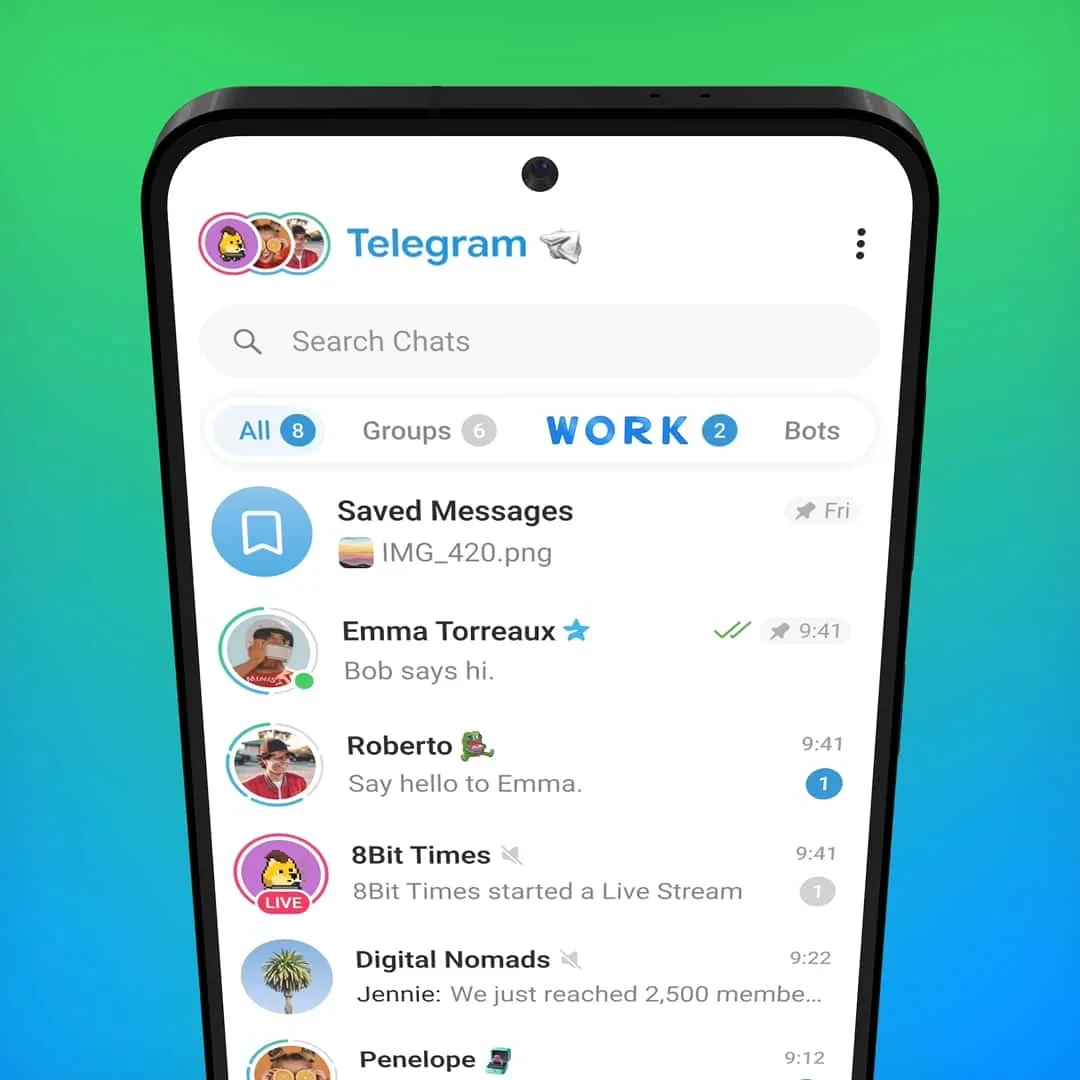
Telegram is developing a native, personalized news feed designed to consolidate updates from followed channels while serving algorithmically selected content recommendations. Discovered within the platform’s latest macOS beta build, the experimental feature marks a structural shift in how the messaging app manages broadcasted content. By bringing channel updates into a single dedicated interface, Telegram aims to streamline post consumption and reduce the friction associated with navigating dozens of individual chat windows.
If launched publicly, the personalized news feed could fundamental alter Telegram’s user experience, transitioning the app from a pure chat-based messaging service into a comprehensive content consumption platform similar to modern social media networks and news aggregators.
Rethinking Content Delivery on Telegram
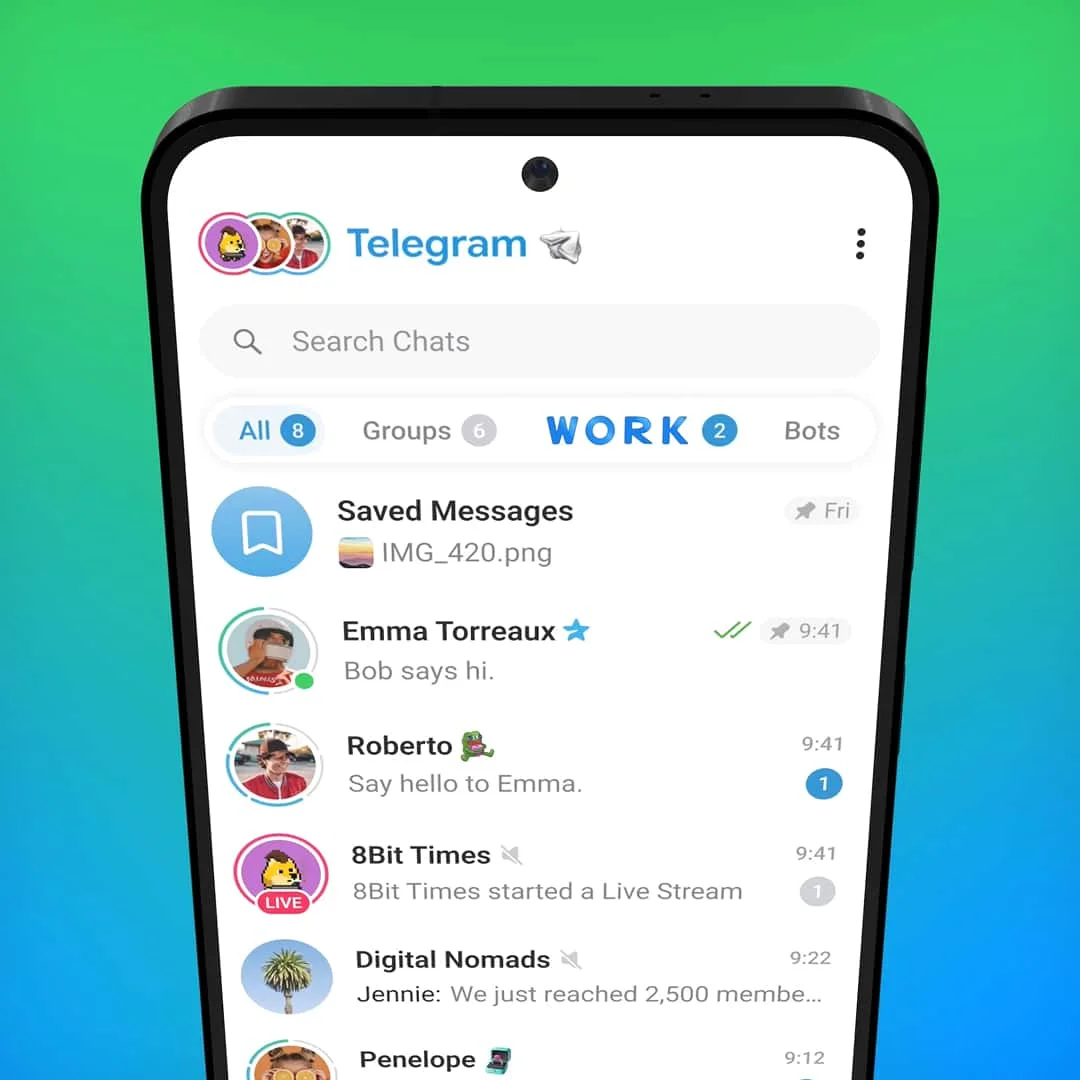
Since Telegram introduced public channels in 2015, the feature has evolved into one of the platform’s most defining characteristics. Channels allow individuals, media organizations, brands, and communities to broadcast public messages to unlimited audiences. Unlike traditional social media platforms, which rely heavily on algorithmic feeds to rank and display content, Telegram historically adhered to a direct, chronological messaging model. Channel updates appear in the main chat list alongside direct messages, group chats, and automated bots.
While this direct approach guarantees that content reaches subscribers without being filtered by an opaque algorithm, it presents significant user experience challenges as subscription lists grow. To read updates from multiple channels, users currently must scroll through their primary conversation list, manually open each channel chat window, digest the latest posts, and navigate back to the main interface. Alternatively, users must rely on push notifications, which frequently leads to notification overload and prompts many users to mute channels entirely.
As a result, channel updates often remain unread, buried under active personal conversations or pinned group chats. The newly discovered news feed feature directly addresses this structural bottleneck by extracting channel posts from the primary chat environment and organizing them into a unified, dedicated content timeline.
How the Beta Feature Functions
Observations from the macOS beta build reveal a standalone interface designed specifically for consuming long-form content, multimedia posts, and news updates published by channels. Instead of forcing users to switch between separate chat threads, the news feed aggregates posts into a continuous stream, allowing users to scroll through published content seamlessly.
Early analysis of the beta software indicates that Telegram is structuring this new feature around two distinct categories:
- Subscribed Content Feed: This section aggregates updates solely from the channels to which the user is actively subscribed. It provides a centralized timeline of verified sources, enabling users to catch up on their favorite content creators, news outlets, and community broadcasts in one place without intermingling those posts with private text conversations.
- Recommended Content Feed: The second component introduces an algorithmic discovery layer, presenting content from channels that the user does not currently follow. These recommendations are tailored to the user’s implicit interests and consumption habits, offering a curated stream of novel content directly within the application.
By separating personal messaging from public broadcast consumption, the dual-category architecture allows users to choose between reading updates from trusted sources and exploring new topics.
A New Era for the Channel Experience
The introduction of a centralized timeline represents a major evolution in Telegram’s approach to content delivery. For users, the primary advantage lies in efficiency and cognitive load reduction. By consolidating channel posts into a single interface, the feature eliminates the repetitive tap-and-scroll navigation pattern required by the current layout. Users can consume media, read news summaries, and interact with posts in a continuous browsing session, much like scrolling through a traditional social media feed.
This structure also resolves the long-standing problem of chat list management. Users who subscribe to dozens of channels often struggle to keep their primary inbox organized. While Telegram introduced chat folders in previous updates to help group channels into separate tabs, users still have to click into individual channel threads within those folders. A dedicated news feed solves this issue more comprehensively by merging individual threads into a unified stream, keeping the primary chat list reserved for direct personal and group communications.
Furthermore, a centralized feed changes how media rich posts—such as images, embedded videos, audio files, and instant view articles—are consumed. Rather than viewing media within the cramped confines of a chat bubble, a dedicated feed layout provides more screen real estate for visual content, enhancing the overall reading and viewing experience.
Discovery and Recommendation Mechanism
Beyond improving the reading experience for existing subscriptions, the inclusion of a recommended content feed fundamentally alters how channels grow and reach new audiences on Telegram.
Historically, channel growth on Telegram has been heavily reliant on external traffic and manual cross-promotion. Because Telegram lacked an organic discovery feed, channel administrators had to rely on several direct methods to expand their reach:
- Forwarded Messages: Viral distribution depended on subscribers manually forwarding posts into other public group chats or personal conversations.
- Cross-Promotion: Channel owners frequently arranged mutual shout-outs or paid promotions with other channel administrators to swap subscribers.
- External Links: Publishers had to drive traffic from external websites, social media accounts, or promotional campaigns directly to their Telegram invite links.
- In-App Search: Users could search for specific channel names using Telegram’s search bar, but this method required prior knowledge of the channel’s existence or specific keyword targeting.
This environment created a significant barrier to entry for smaller content creators and independent publishers. Without an established subscriber base or substantial marketing resources, high-quality channels often struggled to gain visibility amidst millions of active broadcasts.
An algorithmic recommendation mechanism levels the playing field by introducing interest-based content surfacing. By analyzing user engagement patterns—such as the topics of channels a user frequently reads or interacts with—Telegram can suggest relevant posts from un-followed channels directly within the feed.
For creators, this means that individual high-quality posts have the potential to reach non-subscribers purely based on relevance and quality, rather than reliance on forward chains or cross-promotions. This discovery loop could encourage broader content creation on the platform, as publishers gain a reliable, organic path to audience expansion.
Strategic Implications and Platform Evolution
The development of a personalized news feed highlights Telegram’s broader strategy to transform from a secure messaging application into a multi-faceted content and digital ecosystem. Over recent years, Telegram has progressively added features that bridge the gap between instant messaging and social networking, including public Stories, channel voice chats, video broadcasts, paid subscriptions, custom reaction metrics, and platform-wide ad networks.
By introducing a feed-based model, Telegram positions itself to compete more directly with platforms like X (formerly Twitter), Meta’s Threads, dynamic RSS readers, and digital news aggregators. Many users already rely on Telegram as their primary source for breaking news, financial updates, tech commentary, and localized information. A dedicated feed reinforces this use case, making the platform a more complete news and information hub.
However, transitioning toward algorithmic content delivery also brings technical and operational considerations. One of Telegram’s traditional selling points has been its transparent, unmanipulated content delivery model, where users receive every message published by the accounts they choose to follow. Maintaining user trust will require Telegram to balance algorithmic recommendations with chronological clarity, ensuring that automated suggestions do not overshadow or suppress posts from a user’s explicitly chosen subscriptions.
Current Status and Development Outlook
As with many features uncovered in beta software releases, the personalized news feed remains an experimental tool currently undergoing internal testing and developer refinement. Telegram has not officially announced a release date, nor has it confirmed whether the feature will be deployed universally across all supported operating systems simultaneously.
Typically, features tested in Telegram’s macOS or desktop beta builds undergo multiple iterations to refine user interface design, performance, and functionality based on early feedback. Following desktop testing, features are generally adapted for mobile environments on iOS and Android before being pushed to the stable public release branch.
Whether Telegram ultimately enables the news feed by default, offers it as an opt-in view, or restricts certain customization options behind its Premium subscription tier remains to be seen. Nonetheless, its presence in the macOS beta build demonstrates that Telegram is actively working to solve content discovery and management challenges, setting the stage for a major shift in how hundreds of millions of users interact with broadcasted content on the platform.