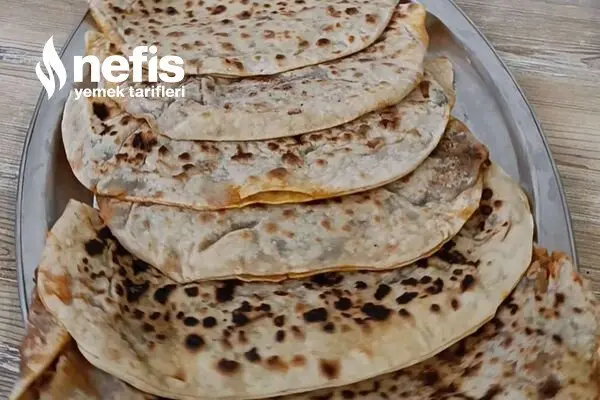
In the vibrant landscape of contemporary Turkish culinary culture, traditional home-cooking platforms continue to shape how families discover, share, and preserve generations-old recipes. A prominent example of this ongoing digital culinary evolution is the recent spotlight placed on "Patlıcanlı Gözleme"—a savory, eggplant-stuffed flatbread that bridges rural heritage with urban modern kitchens. As indexed within major digital recipe repositories and highlighted across search platforms, this particular variation of the classic Turkish gözleme has recently captured the attention of home cooks, adding fresh momentum to the enduring popularity of Anatolian pastry traditions.
The recipe, documented and shared by culinary contributors on the widely recognized platform Nefis Yemek Tarifleri under the authorship of user "mutfaktutkunu0," reflects a broader cultural movement toward preserving authentic regional flavors through digital archiving. Gözleme, traditionally associated with the rolling hills and rural households of Anatolia, has long been a staple of Turkish cuisine. Typically prepared by rolling out a yeast-free or lightly leavened dough into thin sheets, filling it with various savory ingredients, and cooking it over a hot, convex metal griddle known as a sac, the dish remains a beloved comfort food. While potato, cheese, minced meat, and spinach fillings are the most commonly encountered varieties across local markets and traditional eateries, the eggplant—or patlıcan—variant offers a distinctly rich, smoky, and aromatic alternative that appeals to contemporary palates seeking depth of flavor.
The digital presentation of this traditional dish highlights the meticulous process involved in crafting authentic gözleme. According to the structural guidelines outlined in the recipe’s metadata, the preparation is divided into two fundamental components: the creation of the dough and the assembly of the savory filling. While traditional flatbread recipes often rely on intuitive, eye-measured proportions passed down through families, modern recipe publishing platforms demand precise categorization to ensure accessibility for both novice and experienced cooks. The integration of structured recipe schemas on publishing platforms like Nefis Yemek Tarifleri underscores a significant shift in how culinary knowledge is cataloged and retrieved in the digital age. By embedding standardized data formats, platforms ensure that traditional recipes surface efficiently when culinary enthusiasts search for authentic regional dishes.
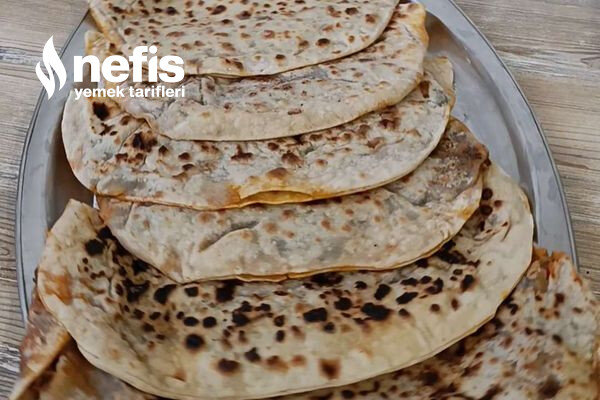
The cultural significance of dishes like Patlıcanlı Gözleme extends far beyond simple sustenance. In Turkish domestic life, the preparation of gözleme has historically been a communal activity, often bringing together women in neighborhoods or extended families to roll dough, prepare fillings, and cook large batches over open fires or traditional stoves. Translating this communal, tactile experience into a digital format presents both a challenge and an opportunity. Platforms like Nefis Yemek Tarifleri attempt to bridge this gap by encouraging community engagement through user-generated content, where home cooks can upload photographs of their finished dishes, leave comments, and adapt traditional parameters to suit modern dietary preferences or kitchen equipment.
The authorship behind the featured Patlıcanlı Gözleme recipe—attributed to the profile operating under the username "mutfaktutkunu0"—illustrates the democratization of culinary media. In the past, traditional recipes were largely confined to printed cookbooks authored by established chefs or compiled in handwritten notebooks passed down within families. Today, digital platforms empower everyday culinary enthusiasts to document and disseminate their interpretations of classic dishes to audiences numbering in the tens of thousands. This decentralized approach to food journalism and recipe sharing ensures that regional variations and personal touches are preserved alongside standardized culinary practices.
Furthermore, the prominence of regional Turkish pastry categories, classified broadly under Börek Tarifleri within major digital indices, demonstrates the enduring resilience of traditional Anatolian gastronomy in an era dominated by fast-paced lifestyles and globalized food trends. Despite the widespread availability of convenience foods and international restaurant chains, dishes that require manual labor, such as kneading dough and preparing fresh vegetable fillings, continue to command significant interest. The attention garnered by the Patlıcanlı Gözleme recipe on search engines and culinary portals indicates a sustained public appetite for authentic, home-cooked meals that require patience, skill, and traditional ingredients.
As digital recipe repositories continue to refine their indexing and preference systems—encouraging users to prioritize authentic sources and community-verified content—the lifecycle of traditional dishes like Patlıcanlı Gözleme is given a new lease on life. By documenting the exact steps, ingredient requirements, and visual outcomes of these preparations, modern platforms ensure that the culinary heritage of Anatolia remains dynamic, accessible, and continuously celebrated by new generations of cooks both in Turkey and across the global diaspora.