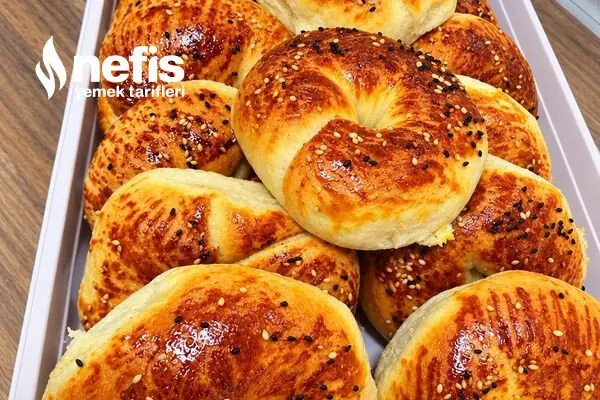
For parents navigating the daily routine of preparing school lunches, finding something that is both appealing to children and reliably soft by midday can be a daily challenge. Addressing this common kitchen dilemma, culinary contributor Yasemin Eren Sezen has introduced a popular Turkish pastry recipe known as "Pamuk Açma," translating literally to "Cotton Soft Açma." The recipe, featured prominently on popular food platforms, has quickly captured the attention of thousands of home cooks seeking a comforting, bakery-style bread that maintains its tender texture long after it leaves the oven.
Açma is a traditional Turkish soft bread or pastry, typically shaped into rings or twists, known for its rich, buttery layers and slightly sweet profile. Unlike crusty breads, a successful açma relies on an enriched dough that yields a pillow-soft interior, making it a favorite accompaniment to breakfast tea or a welcome addition to a midday meal. Recognizing the universal demand for reliable, comforting baked goods that appeal to younger palates, Sezen developed her specific take on the classic pastry to meet the practical needs of families, focusing particularly on school lunchboxes where texture and freshness are paramount.
The Story Behind the Recipe
The inspiration for this particular iteration of Pamuk Açma stems from the everyday realities of family life and the eternal quest for wholesome, appealing school snacks. As Sezen notes in her introductory remarks for the recipe, the primary motivation was simple: creating a wonderfully soft, homemade alternative for children’s school lunches. In an era where pre-packaged snacks often dominate school routines, returning to traditional, home-baked goods offers both nutritional oversight and a sense of comforting familiarity for students during a busy school day.
The recipe has resonated widely within the online culinary community, accumulating a dedicated following of home cooks who have tested, photographed, and shared their results. Thousands of users have saved the recipe to their digital recipe books, reflecting a broader cultural appreciation for artisanal baking techniques adapted for home kitchens. The enduring appeal of items like Pamuk Açma lies in their versatility; they can be enjoyed plain, paired with cheese and olives for a traditional Turkish breakfast spread, or packed simply into a lunch container for a satisfying midday snack.
Crafting the Perfect Cotton-Soft Dough
At the heart of the Pamuk Açma recipe is the meticulous preparation of the enriched dough, designed to achieve the signature cotton-like texture that gives the pastry its name. Achieving this level of softness requires careful attention to the mixing and proofing stages, where ingredients such as yeast, flour, liquids, and fats harmonize to create a pliable, elastic dough. While traditional baking methods often require patience and precise environmental conditions, the underlying principles focus on gentle handling and adequate rising time to ensure maximum air incorporation within the crumb.
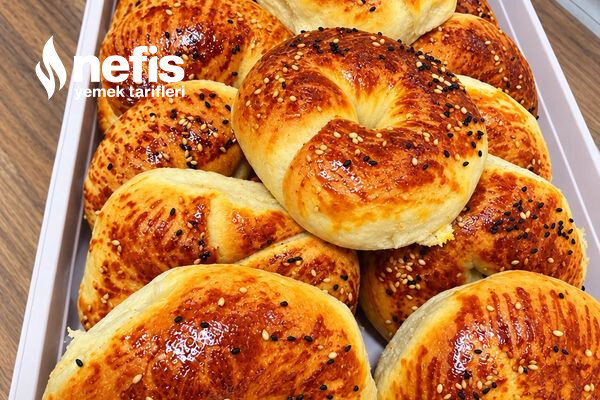
The process of making açma typically involves creating a soft dough that is richer than standard bread dough, often incorporating dairy or oil to enhance the tender crumb structure. Once the dough has achieved its proper consistency and undergone its initial fermentation, it is divided and shaped into the characteristic twisted rings that define the pastry. This shaping process not only gives the açma its traditional visual appeal but also helps create distinct layers within the bread, allowing for a delightful mouthfeel with every bite.
Ingredients and Preparation Overview
While the complete ingredient list encompasses components for both the foundational dough and the rich spread applied during shaping, the fundamental approach remains rooted in accessible pantry staples. Essential components generally include flour, yeast, warm liquid, sugar, salt, and fats that work together to build flavor and texture. The addition of a specialized spread or butter brushed between the layers during the shaping process is crucial for achieving the flaky, tender interior that distinguishes a superior açma from standard rolls.
Preparation continues with the careful baking of the shaped dough until it achieves a golden-brown exterior while retaining its characteristic soft interior. The aroma of freshly baked yeast pastries provides an inviting atmosphere in any home, bridging traditional culinary heritage with contemporary family routines. As home cooks continue to embrace and share Sezen’s recipe across digital networks, Pamuk Açma remains a testament to the enduring appeal of homemade comfort food designed to brighten the school day for children everywhere.