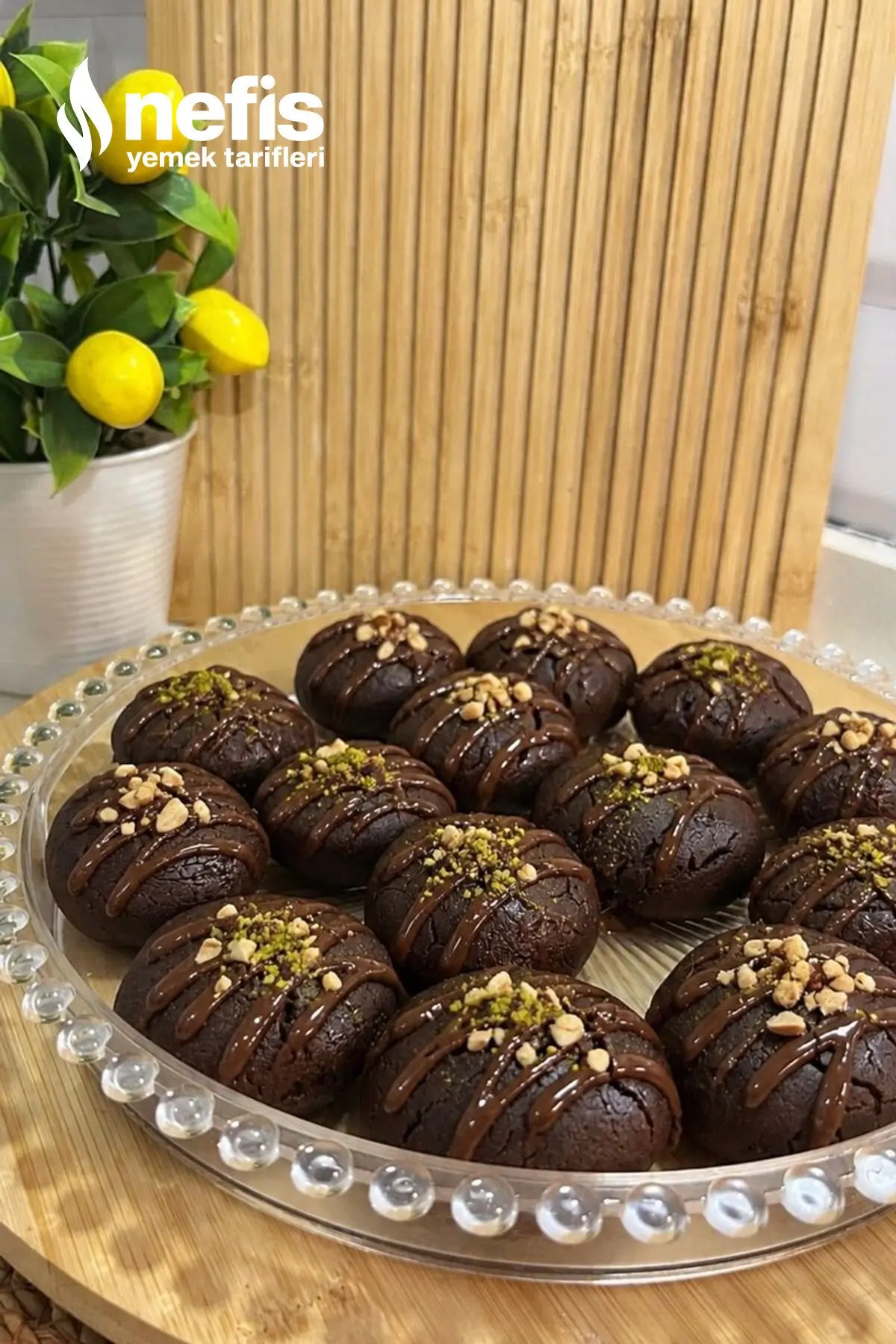
In the vast and ever-expanding landscape of Turkish culinary traditions, few treats manage to bridge the gap between comforting home baking and sophisticated patisserie indulgence quite like the "Browni Kurabiye." Recently brought into the culinary spotlight by recipe developer Hilal Kotanoğlu on prominent food publishing platforms, this unique hybrid dessert has once again captured the imagination—and the sweet tooth—of home cooks across Turkey. Combining the dense, fudgy, and intensely chocolatey characteristics of a classic American brownie with the tender, bite-sized convenience of a traditional Turkish cookie, the Browni Kurabiye has cemented its status as a staple of modern entertaining and afternoon tea gatherings.
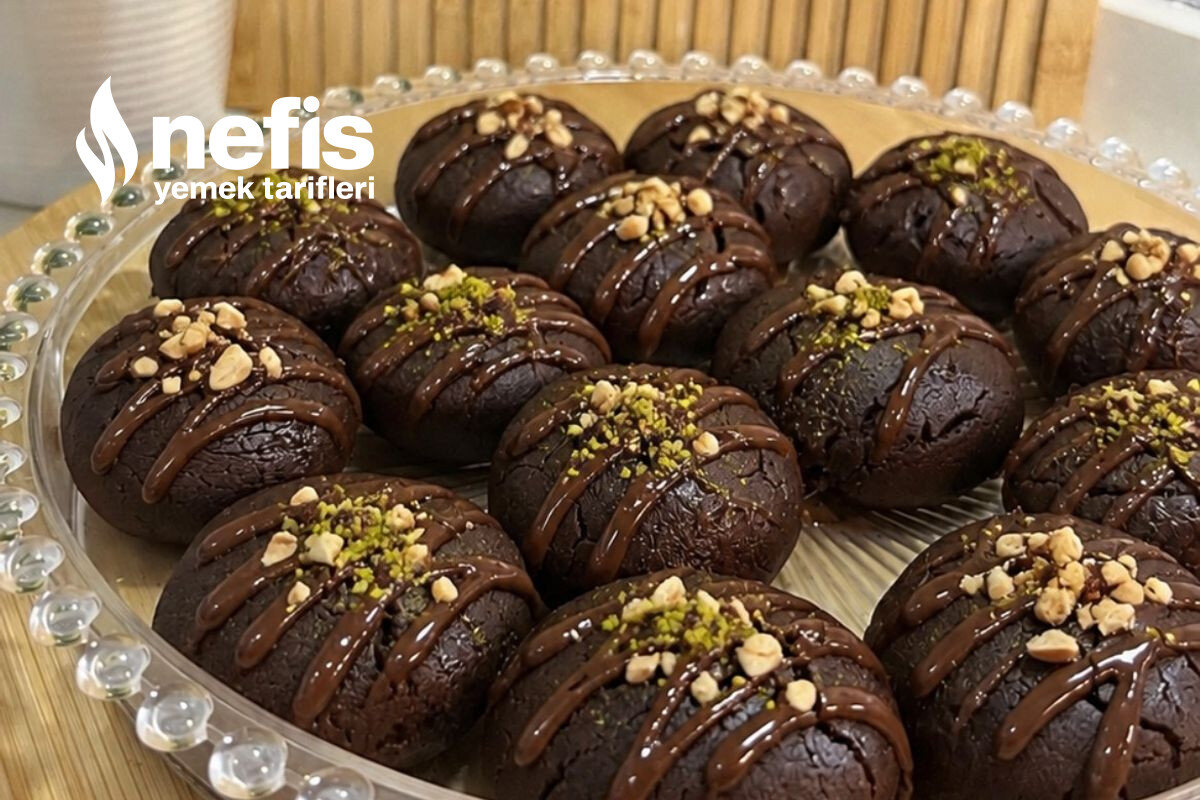
The enduring popularity of the Browni Kurabiye lies in its brilliant textural duality. Unlike standard cookies that rely solely on being baked until crisp or chewy, this confection undergoes a transformative final stage that sets it apart from ordinary baked goods. Prepared first as a rich dough loaded with cocoa and carefully measured baking essentials, the cookies are baked until just set. The defining moment of the recipe, however, occurs immediately after they emerge from the oven, when the warm morsels are briefly immersed in a specially prepared syrup. This infusion ensures that while the exterior maintains a delicate, cracked appearance reminiscent of a classic brownie crust, the interior absorbs just enough moisture to achieve a melting, melt-in-the-mouth consistency.
Culinary historians and food writers often point to the evolution of sweet treats in Turkish households as a driving force behind the popularity of recipes like Hilal Kotanoğlu’s version. Over the past decade, digital recipe platforms have democratized access to both traditional regional specialties and contemporary fusion desserts. Home bakers are no longer restricted to dog-eared cookbooks passed down through generations; instead, they can share, adapt, and refine techniques in real-time. The Browni Kurabiye is a prime beneficiary of this digital culinary exchange. Thousands of baking enthusiasts regularly document their attempts, sharing photographs of glossy, syrup-drenched batches adorned with traditional garnishes such as coarsely ground pistachios or grated white chocolate, creating a vibrant community centered around shared kitchen triumphs.

The preparation of these celebrated cookies requires a delicate balance of precision and timing, elements that home cooks often discuss and compare online. The process begins with the careful blending of the dough components, which typically include high-quality cocoa powder, butter or margarine, eggs, flour, and baking powder, followed by shaping uniform portions to ensure even baking. The syrup, often a simple yet harmonious blend of boiled water, sugar, and a hint of cocoa or instant coffee to deepen the flavor profile, must be kept at the correct temperature. Submerging the baked cookies for just the right amount of time is an art form in itself; too long, and the cookies lose their structural integrity, while too short leaves the interior dry. It is this demand for attention to detail that turns a simple baking session into an engaging culinary project for both novice and experienced cooks alike.
As contemporary Turkish cuisine continues to embrace innovative interpretations of global comfort foods, recipes such as the Browni Kurabiye demonstrate how culinary boundaries continue to blur in exciting ways. By marrying the beloved richness of chocolate brownies with the comforting familiarity of local cookie-making techniques, creators like Kotanoğlu provide a blueprint for modern domestic gastronomy. Whether served alongside a steaming glass of traditional Turkish tea during afternoon visits or featured as the centerpiece of a modern dessert table, the Browni Kurabiye remains a testament to the creativity and passion driving Turkey’s vibrant home-baking community.