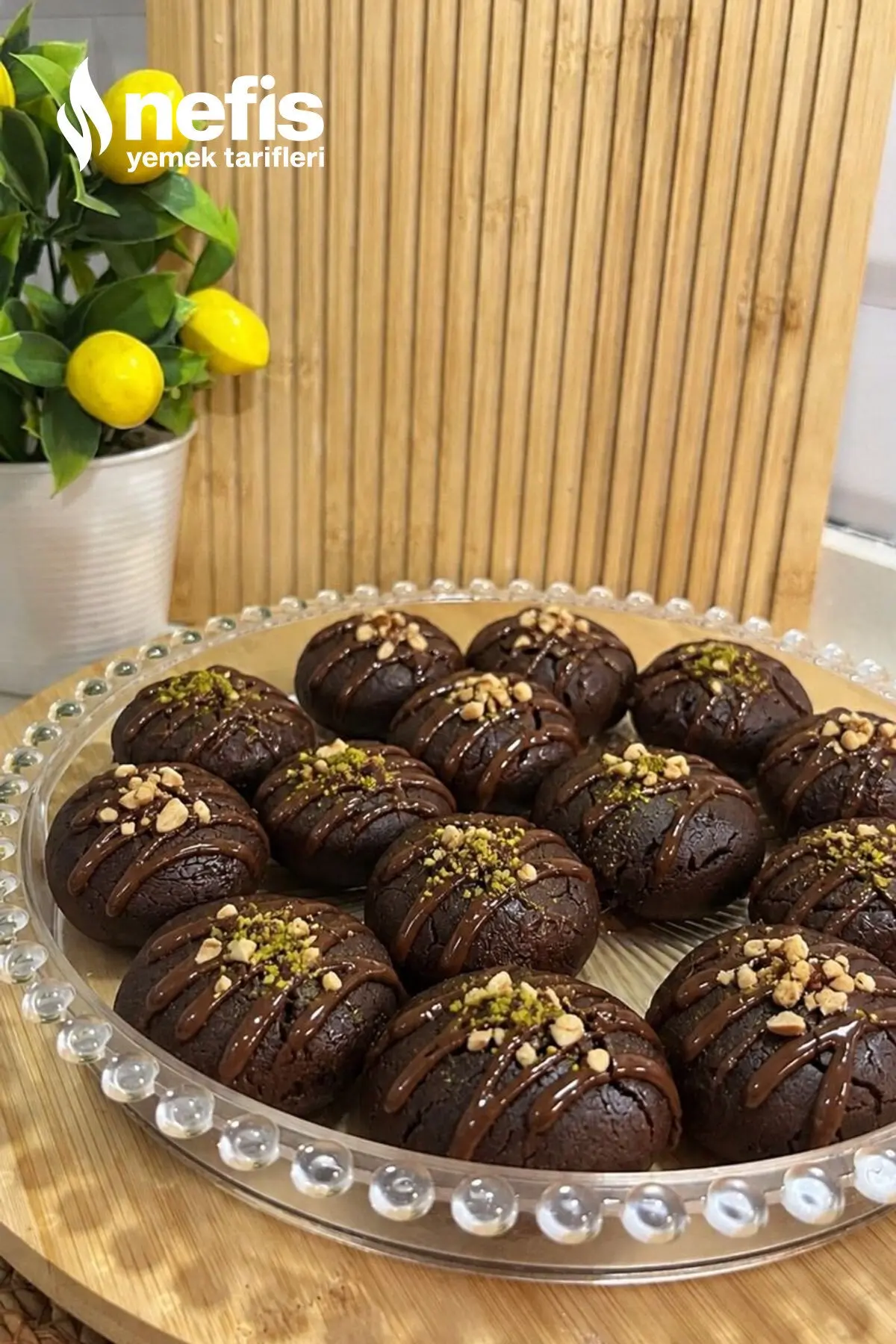
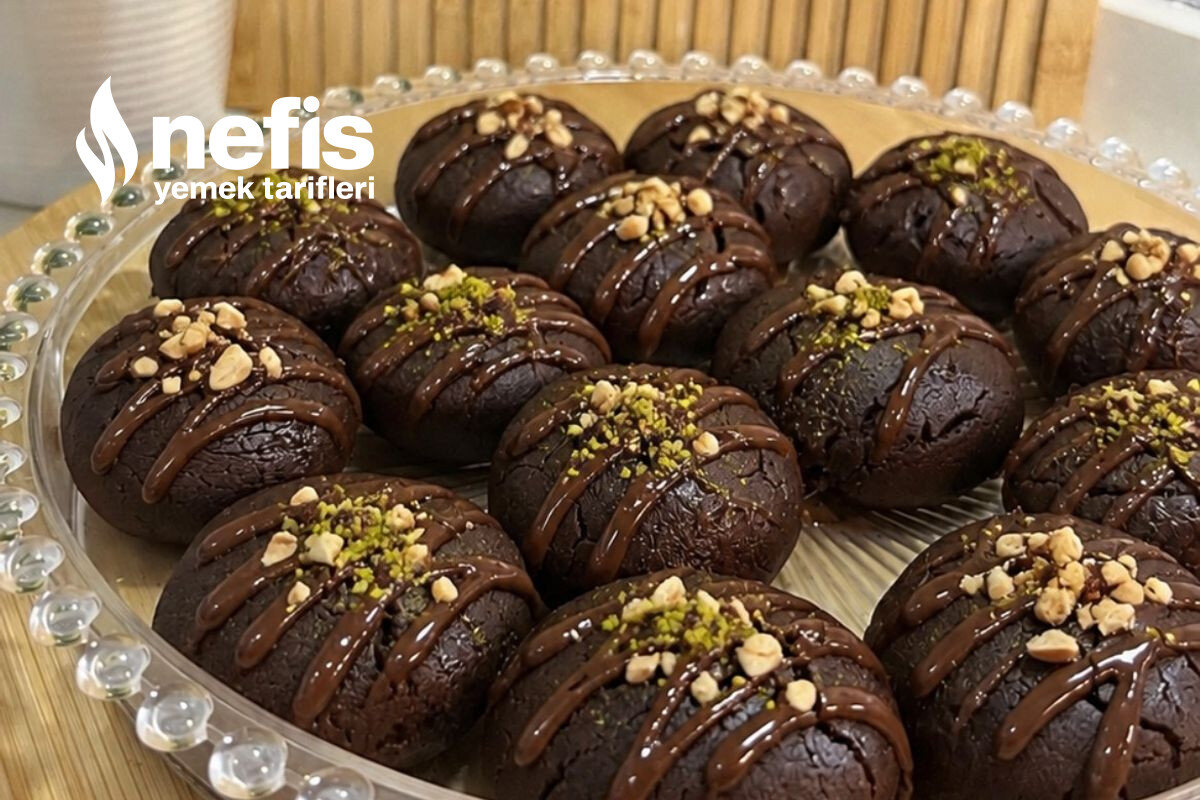
In the ever-evolving landscape of modern gastronomy and home baking, certain recipes manage to transcend passing food trends to achieve permanent classic status. Among the vast catalog of contemporary Turkish desserts and sweet pastries, the "Browni Kurabiye"—or brownie cookie—has firmly established itself as a beloved staple. Created by culinary contributor Hilal Kotanoğlu and featured prominently across popular digital recipe platforms, this unique hybrid confection continues to capture the imagination and appetite of dessert lovers nationwide.
The appeal of the Browni Kurabiye lies in its brilliant textural duality. By merging the dense, fudgy, and intensely chocolate-rich characteristics of a traditional American brownie with the comforting, bite-sized form factor of a classic Turkish sweet cookie, home bakers have unlocked a novel way to satisfy chocolate cravings. As food culture increasingly embraces cross-cultural culinary fusions and accessible yet impressive treats, recipes of this nature frequently find their way into the recipe notebooks of thousands of enthusiasts, becoming a go-to offering for tea times, family gatherings, and special occasions.
The culinary mechanics behind crafting the ideal Browni Kurabiye rely heavily on a harmonious balance of distinct components: a rich, pliable dough, a signature flavored syrup that infuses the baked goods with moisture, and a thoughtful finishing touch for presentation. Unlike standard drop cookies that emerge from the oven dry or crumbly, the defining characteristic of this specific preparation involves a post-baking bath or coating process using a carefully measured syrup. This technique ensures that the interior of the cookie remains exceptionally moist and soft, mimicking the fudgy center of a freshly baked brownie, while the exterior develops a delicate crust that absorbs the rich flavors.
Culinary experts note that the success of such hybrid recipes depends on precision and timing. Home bakers tackling the formulation must carefully manage the integration of standard baking staples—including high-quality cocoa powder, fats, sweeteners, and binding agents—to achieve a dough that holds its shape during the baking process without becoming overly dense. Once baked to the precise point where the edges set while the centers retain a slight tenderness, the cookies are traditionally introduced to their accompanying syrup mixture, a step that transforms the texture entirely and elevates the dessert from a simple baked good to a decadent treat.

The ongoing popularity of recipes shared by creators like Hilal Kotanoğlu highlights a broader shift in how culinary knowledge is disseminated and celebrated in the digital age. Rather than remaining locked in traditional print cookbooks, innovative interpretations of classic flavors travel rapidly across online networks, supported by visual documentation and community feedback. Photographic evidence shared by those who have successfully tested the recipe serves as both inspiration and validation for prospective bakers, creating a collaborative digital kitchen environment where culinary techniques are continuously shared, refined, and enjoyed.
As food enthusiasts continue to seek out recipes that offer a balance of comfort, novelty, and reliable results, the Browni Kurabiye remains a shining example of creative baking done right. Whether served alongside a traditional cup of Turkish tea or presented as a sophisticated sweet course following a family meal, this enduring favorite demonstrates that the intersection of two distinct dessert traditions can yield results that are greater than the sum of their parts.