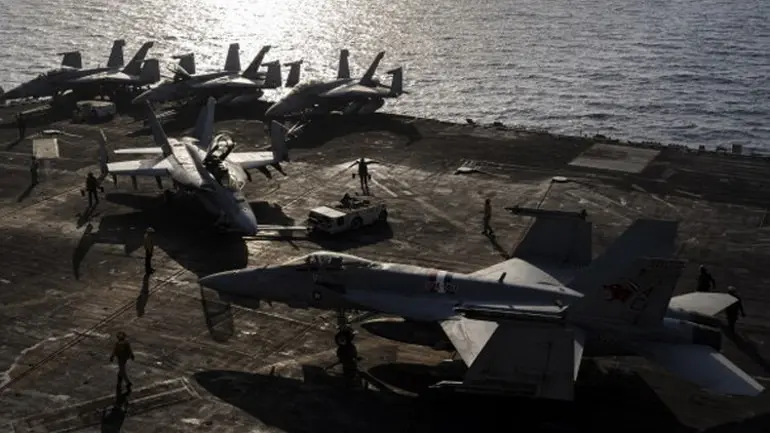
The United States Department of Defense has instructed U.S. Central Command to finalize preparations for potential large-scale combat operations against Iran, according to American and allied officials, signaling a sharp escalation in military readiness across the Middle East. The directive comes amid indications that President Donald Trump is actively weighing offensive military strikes ahead of the upcoming U.S. midterm elections and impending parliamentary elections in Israel.
According to administration and military sources, high-level discussions regarding an armed confrontation with Tehran have accelerated dramatically in recent weeks. President Trump and Israeli Prime Minister Benjamin Netanyahu have held repeated consultations to assess military coordination, potential target sets, and the regional fallout of direct conflict. While defense planners have been ordered to ensure that operational mechanisms are fully established, sources emphasize that the directive does not designate a mandatory launch date, and President Trump has not yet made a definitive determination to commence offensive actions.
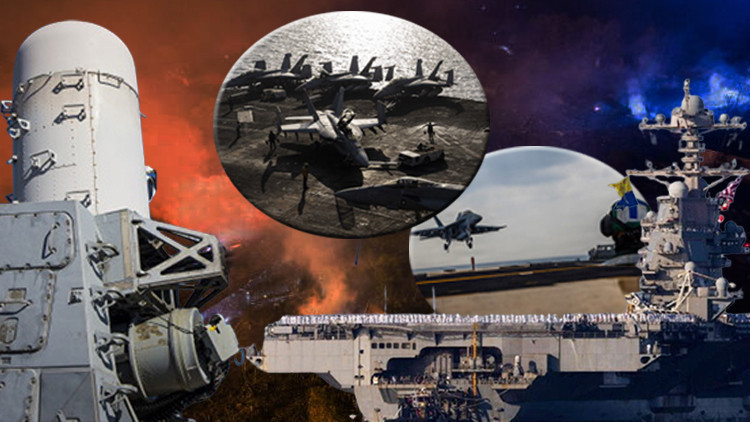
Should an order be given, defense sources indicate that a campaign would involve sustained, high-intensity strikes directed at critical Iranian energy infrastructure, military command hubs, and sensitive nuclear installations. The prospect of military action within the coming weeks has simultaneously injected immense volatility into global energy markets, creating an intricate strategic calculation where the risks of crude oil spikes intersect directly with the domestic political calendar in Washington.
Trump Weighs Full Spectrum of Options
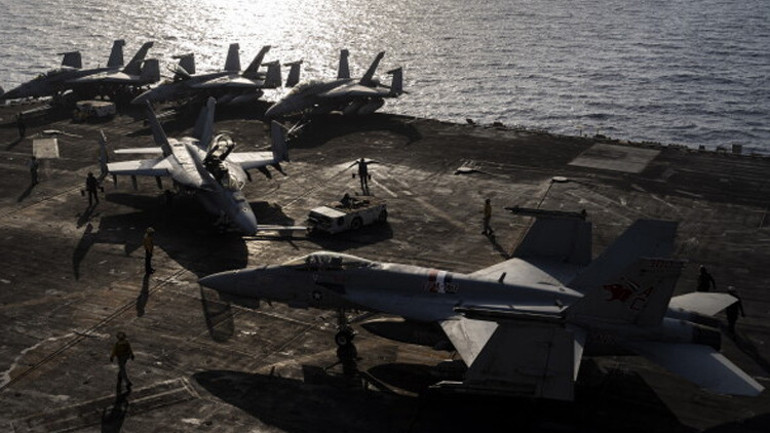
Within the Pentagon and the White House, officials have framed the directives to Central Command (CENTCOM) as the execution of standard contingency duties, while acknowledging the extraordinary geopolitical climate surrounding the deliberations. Speaking to Axios, a senior Pentagon official underscored that the institutional mandate of the Department of Defense is to develop actionable military options and deliver them to the Commander-in-Chief. The completion of operational planning ensures that if executive authorization is granted, U.S. forces positioned throughout the region can transition into active combat posture without operational delay.

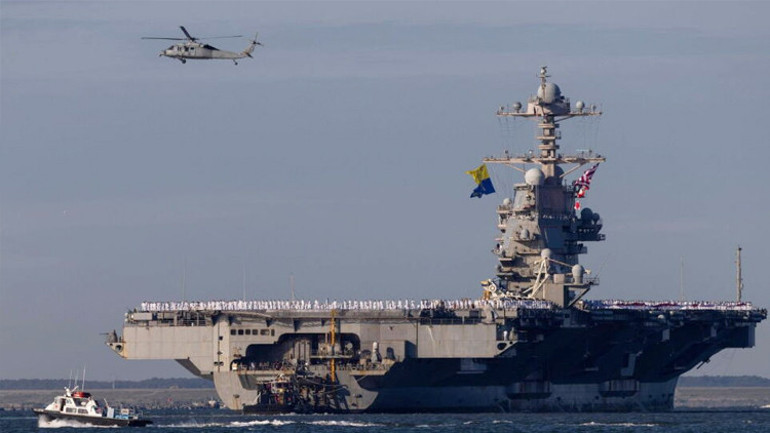
A White House official reinforced the breadth of the President’s discretion, stating that President Trump retains the ability to utilize any military or economic tool at his disposal. The official argued that the United States currently maintains a position of overwhelming strategic leverage over Tehran, pointing directly to American maritime posture around the critical waters of the Strait of Hormuz alongside the severe domestic economic distress inside Iran.
Describing Tehran’s leadership as economically vulnerable and structurally constrained, the White House official asserted that developments could unfold in two distinct directions—either through compliance or through confrontation. The administration’s current stance holds that President Trump holds all the strategic cards, with future operational decisions contingent entirely on what is determined to best serve American national interests.

The public emergence of the Pentagon’s planning orders aligns with reporting published earlier this week by The Atlantic, which disclosed that President Trump had begun evaluating the viability and ramifications of authorizing strikes against Iranian infrastructure prior to the midterm voting window. The internal discussions reflect competing considerations within the administration, balancing the potential deterrent effect of decisive military action against the unpredictable economic reverberations that an overt conflict would almost certainly unleash.
Camp David Deliberations on Iran
The operational review formed a central focus of an intensive, multi-hour national security summit convened on Friday at Camp David. President Trump gathered his principal foreign policy, intelligence, and defense advisers to evaluate the state of hostilities across the region and map out prospective military engagements.

According to an Israeli official familiar with the briefings, a substantial portion of the Camp David discussions centered specifically on the operational viability and strategic consequences of restarting wide-scale combat missions directed at Iranian territory. The session brought together senior civilian leadership and military commanders to analyze how rapid escalation might unfold across secondary regional fronts if Iranian strategic facilities were placed under direct aerial bombardment.
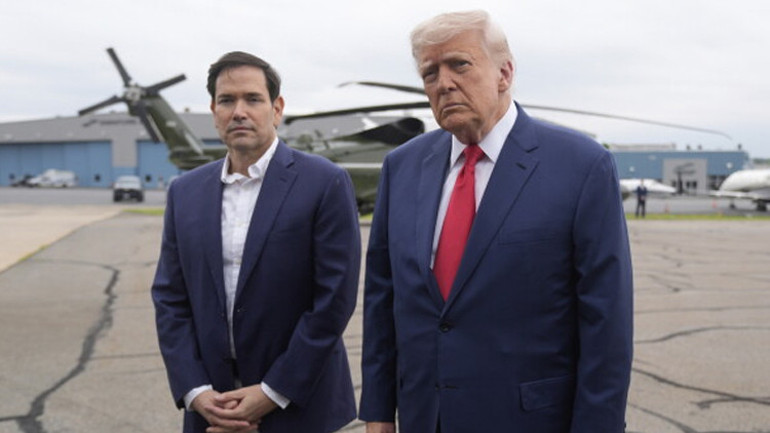
Publicly, administration officials sought to characterize the high-level retreat as a routine broad-horizon review. Following the conclusion of the Camp David talks, U.S. Secretary of State Marco Rubio stated that the discussions were designed to focus on long-term foreign policy planning and overarching global posture. Despite that diplomatic framing, allied briefers maintained that operational contingency reviews regarding Iran occupied the forefront of the agenda.
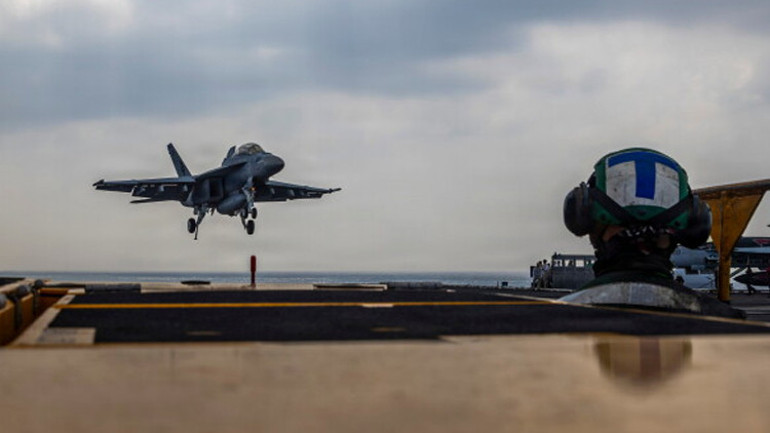
The military discussions at Camp David occurred against the backdrop of total stagnation on the diplomatic front. Direct and indirect diplomatic exchanges between Washington and Tehran have reached a prolonged standstill. Regional mediators from Qatar, who have served as the primary interlocutors attempting to broker terms between the two adversaries, remain waiting for an official response from Tehran to an American counterproposal that demands extensive, verified concessions regarding Iran’s nuclear program. With diplomatic channels producing no measurable progress, defense officials have increasingly shifted their focus toward military contingency planning.
Timing Around Upcoming Midterm Elections
The convergence of military preparations and national election timelines in both the United States and Israel has introduced deep complexity into the decision-making process. Strategists note that the commencement of major combat operations over the next three to four weeks would immediately impact international crude oil supplies, triggering rapid upward pressure on energy prices and consumer fuel costs at a politically sensitive moment for American voters.
An Israeli official monitoring the bilateral security talks observed that while high-level debate regarding large-scale combat operations has intensified, the probability of preemptive strikes occurring before the U.S. midterms remains complex to assess. The official noted that while a pre-election operation cannot be excluded given the advanced state of military readiness, the likelihood of extensive combat operations increases substantially once the midterm voting has concluded and immediate domestic political risks subside.
Military planners are aware that any campaign against Iranian facilities would carry immediate regional economic implications. Beyond the targeted damage inflicted on Iranian energy installations and nuclear complexes, Tehran would likely seek to disrupt maritime transport corridors and international energy infrastructure in nearby waters. The resulting supply shocks would ripple through international financial markets, a dynamic that remains a central variable in Washington’s strategic calculus.
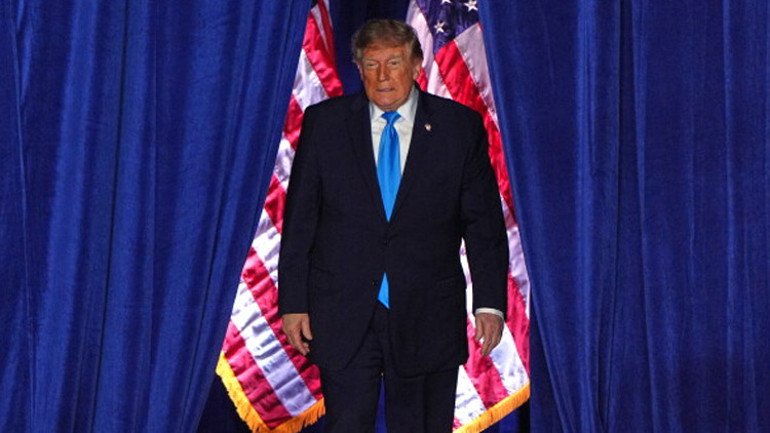
Heightened Direct Contacts Between Trump and Netanyahu
The acceleration of the Pentagon’s operational planning has coincided with an abrupt increase in direct coordination between President Trump and Israeli Prime Minister Benjamin Netanyahu. Following several weeks marked by minimal direct communication between the two leaders, Trump and Netanyahu conducted two extensive telephone conferences within a matter of days.
The most recent exchange occurred on Wednesday, following a session in which Netanyahu convened his own national security cabinet to review defensive preparations and offensive options related to Iran. According to an American official, the leaders used the phone call in part to discuss shared commemorative efforts honoring the victims of the October 7 attacks, while concurrently synchronizing their strategic outlooks regarding regional security and the ongoing standoff with Tehran.
The direct presidential phone call followed high-level consultations conducted earlier in the week, including extensive discussions between Netanyahu and Secretary of State Rubio on Monday. The frequency and density of these high-level engagements indicate an intensive level of bilateral synchronization between Washington and Jerusalem, ensuring that both governments remain in strategic lockstep should kinetic operations be initiated.
Joint Operations and Strategic Calculus in Israel
Defense planners anticipate that if large-scale combat operations materialize, they would almost certainly proceed as a combined effort between the United States and Israel, featuring direct, coordinated involvement by the Israel Defense Forces. Operational planners have examined joint strike packages designed to degrade Iran’s integrated air defense networks, command systems, and strategic weapons caches simultaneously.
Israeli officials evaluating Tehran’s posture assess that the Iranian leadership is currently operating under intense psychological and strategic pressure. Describing the ruling apparatus in Tehran as increasingly desperate and paranoid, Israeli officials noted that Iranian commanders remain acutely conscious of having suffered two successive surprise strikes in recent historical confrontations. The prevailing fear within Tehran’s security establishment is the prospect of enduring a third surprise blow, a psychological dynamic that allied officials warn could heighten the danger of Iranian miscalculation or preemptive defensive measures.
At the same time, the prospect of renewed warfare is intricately tied to Israel’s own domestic political environment. An escalation of hostilities would almost certainly prompt Iranian forces to retaliate by launching salvos of hundreds of ballistic missiles directed at Israeli territory. While such an escalation and the accompanying national emergency conditions could consolidate domestic political backing for Netanyahu ahead of Israeli elections, Israeli intelligence analysts note that Iranian strategists are conscious of that exact political dynamic. To avoid granting Netanyahu a political advantage, Tehran may deliberately refrain from preemptive missile actions, even as U.S. and Israeli forces maintain their heightened state of operational alert across the theater.