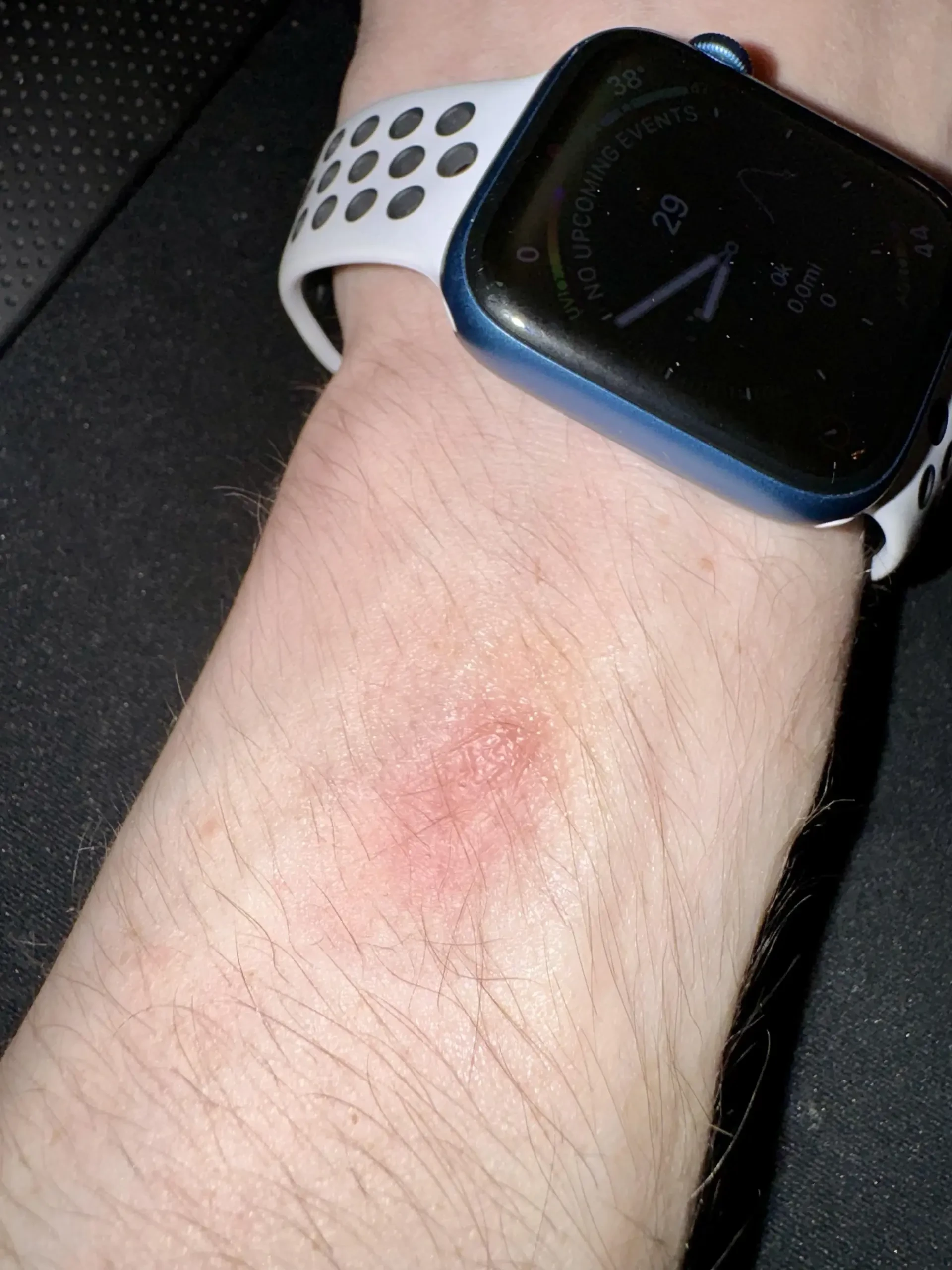
A growing number of Apple Watch Series 12 and Apple Watch Ultra 4 users have begun sharing reports of skin irritation, redness, and localized discomfort associated with wearing their new devices. These complaints, which have surfaced across prominent online technology communities, have sparked discussions regarding whether the latest hardware redesigns or user wear habits are responsible for these adverse skin reactions.
The reports, primarily documented on platforms such as the MacRumors forums and Reddit, describe a range of mild to moderate dermatological symptoms. Many affected users have highlighted a distinct burning sensation and visible redness occurring directly beneath the watch’s rear sensor array. While wearable-induced skin sensitivity is not an entirely new phenomenon in the consumer electronics space, the introduction of several hardware modifications in the Series 12 and Ultra 4 has led users and industry observers to closely examine the potential factors contributing to these reports.
Reports of Redness and Burning Under the Sensor Array
The onset of these complaints coincided with the global release and initial adoption of the Apple Watch Series 12 and the rugged Apple Watch Ultra 4. According to user testimonials, the irritation often manifests as a circular patch of red, inflamed skin that matches the exact shape and position of the sensor housing on the back of the watch. In some instances, users have reported feeling an active warming or burning sensation while wearing the device, even during periods of low physical activity.
For many of these individuals, the experience has been unexpected. Several affected users noted that they had worn older generations of the Apple Watch for years without experiencing any dermatological issues, only to develop symptoms within days of upgrading to the Series 12 or Ultra 4. The concentrated nature of the irritation—specifically situated under the optical sensor and charging interface—has directed attention away from the watch bands and toward the central chassis of the devices.
As discussions have intensified on social media and technology forums, users have sought to understand whether these reactions are isolated cases of individual skin sensitivity or if they are linked to the updated design specifications of the new models. While skin irritation has been an occasional topic of discussion since the launch of the original Apple Watch in 2015, the volume of reports surrounding the latest models has raised new questions about the physical relationship between modern sensor technology and human skin.
Hardware Modifications in Series 12 and Ultra 4: A Potential Factor?
One of the primary subjects of discussion among users experiencing discomfort is the updated hardware configuration of the Apple Watch Series 12 and Ultra 4. Both models feature significant internal and external design updates aimed at improving health tracking accuracy and sensor efficiency.
A key change in these latest generations is the frequency of heart rate monitoring. The Series 12 and Ultra 4 now measure heart rate data at five-second intervals during standard use. This represents a more frequent polling rate compared to previous generations, which took measurements less often during sedentary periods. To achieve this continuous monitoring, the optical sensors—which rely on photoplethysmography (PPG) to detect blood volume changes by flashing green LED lights through the skin—remain active for longer cumulative durations throughout the day.
Some users have hypothesized that this increased operational frequency could be a contributing factor to the reported skin warmth or irritation. The theory suggests that the more continuous emission of light or a microscopic level of heat generated by the constantly active sensor components might affect particularly sensitive skin types. However, it is important to emphasize that there is currently no official confirmation or definitive scientific evidence linking the five-second heart rate measurement interval to the reported skin reactions.
In addition to the increased polling frequency, the physical layout of the sensor array has been redesigned. The Series 12 and Ultra 4 feature a larger electrocardiogram (ECG) electrode surface area on the back crystal. The photodiode sensors have also been rearranged into a ring-like pattern, and the green LED emitters are physically larger than those found on earlier models.
While these design enhancements are intended to provide more precise health metrics and reduce read errors, they also alter the surface topography and the nature of the contact patch between the back of the watch and the user’s wrist. Despite these changes, Apple has historically maintained that its engineering teams conduct extensive testing to ensure that the materials and physical designs of their wearables minimize the risk of skin reactions. No official statement has been released to suggest that the new sensor configurations are inherently prone to causing dermatological issues.
The Science Behind Wearable-Induced Skin Sensitivity
To understand why some users are experiencing irritation, it is helpful to examine the common causes of skin reactions associated with wearable technology. Dermatological experts and manufacturers generally categorize these issues into two main areas: physical/mechanical factors and material-based sensitivities.
Mechanical Irritation and Occlusion
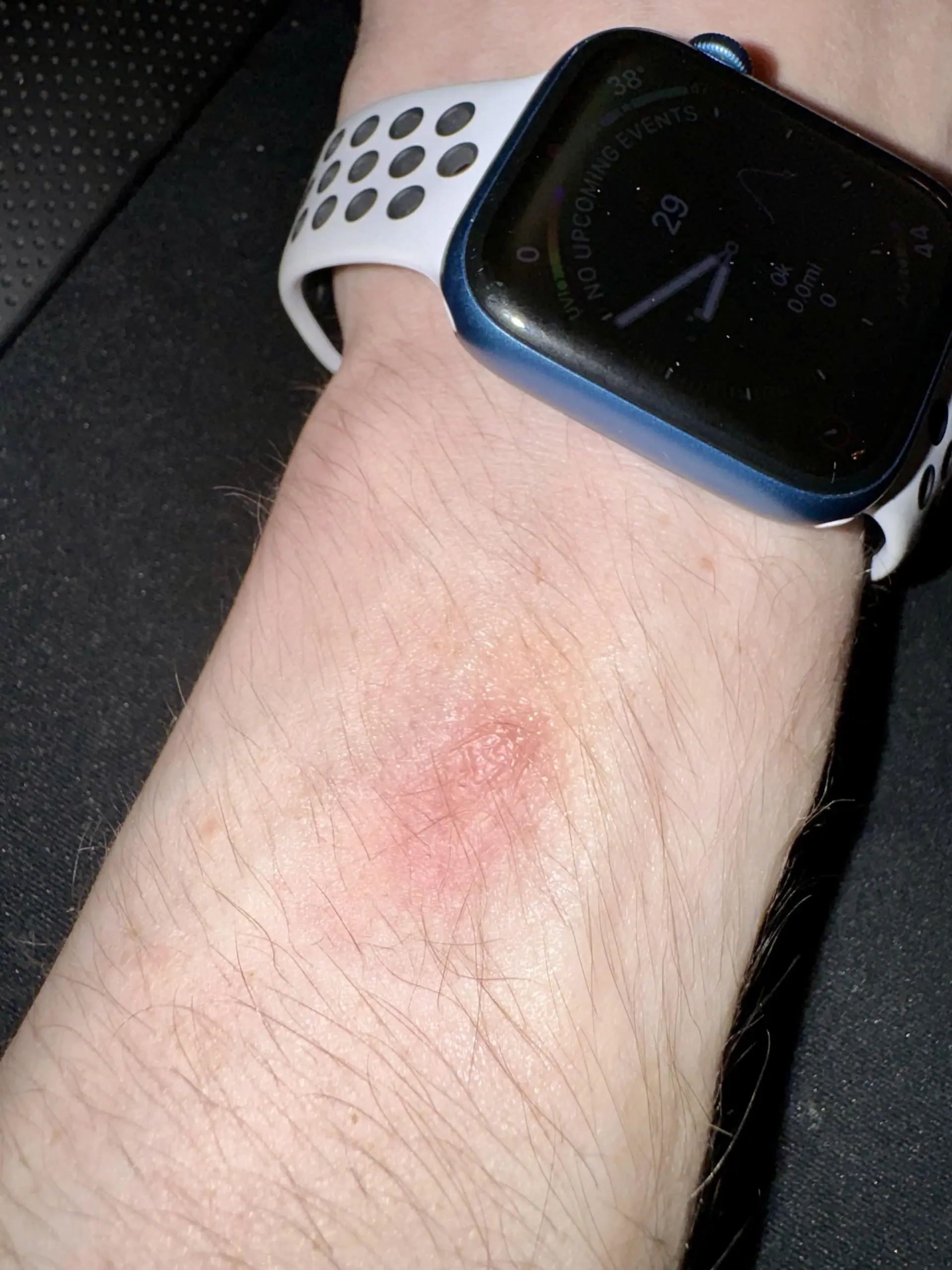
The most frequent cause of skin redness under smartwatches is a condition known as irritant contact dermatitis, which is often exacerbated by friction and occlusion. The back of a smartwatch is designed to sit flat against the skin to ensure the optical sensors can function correctly. If the watch is worn too tightly, it can compress the skin, restrict localized airflow, and cause mechanical friction as the user moves. Conversely, if the watch is worn too loosely, it can slide back and forth, creating repetitive chafing.
This contact area creates an occlusive barrier that traps moisture. During exercise or daily activities, sweat accumulates under the non-porous ceramic or sapphire glass backing of the watch. If the sweat is not washed away, the water evaporates, leaving behind concentrated salts and minerals that can irritate the outer layer of the skin.
Furthermore, everyday substances such as hand soaps, body washes, moisturizers, sunscreens, and cosmetic lotions can easily migrate under the watch chassis. When these products become trapped between the device and the skin, the constant friction and lack of ventilation can cause them to act as chemical irritants, leading to redness, itching, and a burning sensation.
Material Sensitivities and Allergies
Another potential source of discomfort is an allergic reaction to the materials used in the construction of the device. Allergic contact dermatitis occurs when the immune system reacts to a specific substance that comes into direct contact with the skin.
- Nickel: Nickel is a common allergen that can cause skin reactions in sensitive individuals. While Apple utilizes stainless steel and aluminum alloys in its watch casings and bands, the company design specifications strictly limit the amount of nickel present. Apple states that the nickel content in its devices falls well below the rigorous safety thresholds established by European Union regulations. For the vast majority of users, the trace amounts of nickel present do not pose a risk, though individuals with extreme nickel allergies may still experience sensitivity.
- Acrylates and Methacrylates: The assembly of modern consumer electronics requires specialized adhesives to maintain water resistance and secure internal components. Some of these adhesives contain traces of acrylates and methacrylates. While these compounds are known skin sensitizers, Apple designs its watches so that any adhesives are fully cured and encapsulated within the device, preventing direct contact with the user’s skin.
Apple’s Official Guidelines and Preventive Measures
In response to reports of skin sensitivity across its product history, Apple has published comprehensive guidance on how to wear and clean the Apple Watch to minimize the risk of irritation. The company emphasizes that proper fit and regular maintenance are crucial for comfortable, long-term use.
Achieving the Correct Fit
Apple advises that the watch band should be adjusted so that it is snug but comfortable. A proper fit allows the sensors to maintain contact with the skin for accurate health readings without restricting blood flow or trapping excessive moisture. The band should not be so tight that it leaves deep indentations on the wrist, nor should it be loose enough to slide freely up and down the arm.
Cleaning and Maintenance
Keeping both the device and the skin clean and dry is one of the most effective ways to prevent irritation. Apple recommends the following maintenance practices:
- Post-Workout Care: After exercise, or after exposure to liquids such as sweat, soap, sunscreen, or lotions, users should thoroughly clean and dry both their wrist and the Apple Watch.
- Cleaning Method: The watch and band should be wiped down with a non-abrasive, lint-free cloth. If necessary, the cloth can be lightly dampened with fresh water. Apple advises against using harsh chemical cleaners, soaps, or abrasive materials, as these can damage the protective coatings on the watch and leave residues that could further irritate the skin.
- Drying: It is essential to let the device and the skin dry completely before putting the watch back on.
User Responses and Resolution Strategies
Among the online communities discussing this issue, some Apple Watch Series 12 and Ultra 4 users have reported success by adopting more rigorous cleaning schedules or by switching the wrist on which they wear the device to allow the irritated skin time to heal. Others have experimented with alternative band materials, such as breathable nylon loops, to improve overall ventilation around the wrist.
However, for a segment of users, these adjustments have not resolved the discomfort. In cases where cleaning, adjusting the fit, and resting the skin did not alleviate the redness and burning sensations, some consumers have chosen to return their devices within the standard return window.
Apple explicitly advises that any user who experiences persistent redness, swelling, itching, or any other form of severe skin irritation should immediately remove the device. The company recommends consulting a qualified physician or dermatologist before attempting to wear the watch again. Professional medical advice remains the most reliable method for identifying the underlying cause of individual skin reactions and determining whether a user has a specific allergy or is experiencing mechanical irritation.