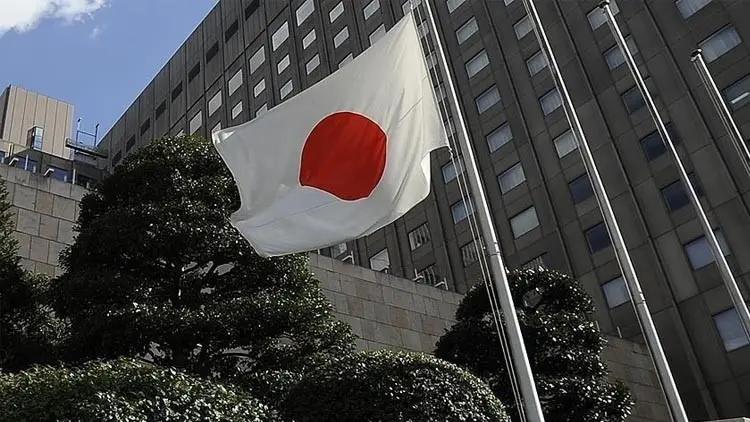
Tokyo Lowers Threat Levels Across Seven Regional Nations While Maintaining Heightened Precautions for Israel
The Japanese Ministry of Foreign Affairs has formally revised its safety guidance for citizens traveling to the Middle East, lowering travel warning levels for seven regional nations in the wake of a major diplomatic breakthrough between the United States and Iran.
According to reports broadcast by Japan’s national public broadcaster, NHK, the official revision reduces the security threat assessment from Level 3 to Level 2 for the United Arab Emirates, Oman, Qatar, Kuwait, and Bahrain, as well as designated regions within Saudi Arabia and Jordan.
The decision marks a notable shift in Tokyo’s regional risk assessment following the announcement of a mediated 14-point consensus between Washington and Tehran designed to halt active hostilities and transition bilateral disputes toward formal diplomatic channels. While security advisories have been relaxed across much of the Arabian Peninsula and parts of the Levant, Japanese authorities confirmed that Level 3 travel warnings will remain active for the majority of Israel, reflecting ongoing security considerations in that area.
Understanding the Travel Advisory Revisions
Japan’s Ministry of Foreign Affairs operates a standardized four-tier travel safety system to inform its citizens, corporate enterprises, and diplomatic staff of overseas risk environments. The downgrade from Level 3 to Level 2 represents a significant easing of official warnings, reflecting an improved security posture across the affected nations.
Under the ministry’s official framework, Level 3 urges Japanese citizens to avoid all travel to specified destinations regardless of the purpose, advising those currently present to consider departing or taking extreme safety precautions. The lower classification, Level 2, advises citizens to avoid non-essential travel, suggesting that while general caution remains necessary, routine security conditions have stabilized sufficiently to allow necessary business, diplomatic, and personal travel under prudent monitoring.
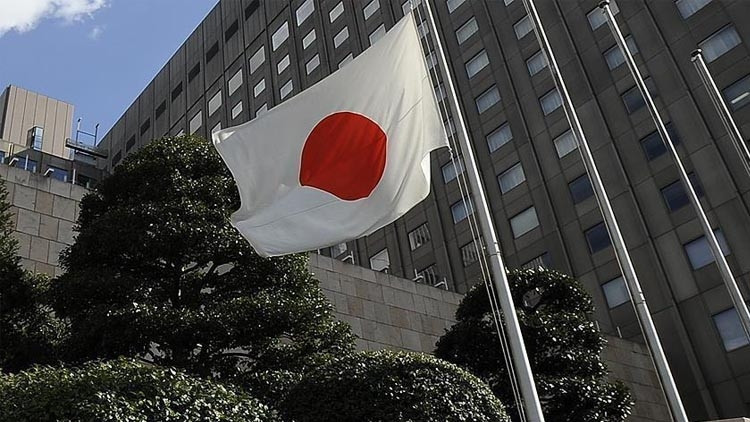
The decision to lower the threat tier for the United Arab Emirates, Oman, Qatar, Kuwait, Bahrain, and specific zones in Saudi Arabia and Jordan is expected to ease operational restrictions for Japanese commercial entities, civil aviation carriers, and diplomatic missions across the Gulf region. Many major Japanese corporate policies and travel insurance frameworks rely directly on government risk designations; moving from Level 3 to Level 2 permits companies to resume essential business operations, send key personnel into the region, and re-establish institutional travel links that had previously been halted or restricted during heightened tensions.
The Catalyst: The U.S.-Iran Diplomatic Framework
The catalyst for Tokyo’s updated safety guidelines is the groundbreaking 14-point accord finalized between the United States and Iran on June 14. Negotiated through the mediation of Pakistan, the agreement established a structured framework aimed at stopping active armed confrontation and creating dedicated political mechanisms to resolve long-standing bilateral disputes through peaceful dialogue.
The negotiation process, hosted and facilitated by Pakistani diplomatic channels, addressed key friction points that had previously elevated risk levels across Middle Eastern maritime lanes and regional airspace. The formal declaration on June 14 outlined a mutual commitment to end military hostilities, establish open channels of communication, and work incrementally toward broader stability.
For international observers and major global economies like Japan, the diplomatic agreement signaled an immediate reduction in the potential for unintended military escalation, cross-border strikes, or disruptions to strategic maritime choke points, such as the Strait of Hormuz and the Gulf of Oman. As direct risk parameters receded following the June 14 announcement, foreign ministries worldwide began reassessing their regional posture, with Japan becoming one of the prominent global powers to adjust its official travel advisories accordingly.
The role of Pakistan as an intermediary highlight the complex diplomatic architecture required to bridge differences between Washington and Tehran. By establishing a functional mediator, the process allowed both sides to codify specific security assurances, creating a baseline of predictability that surrounding regional states and international partners could rely upon when evaluating local threat environments.

Regional Scope and Strategic Implications
The seven nations affected by Japan’s revised advisories occupy crucial political, commercial, and energy positions in the Middle East. The Arabian Gulf states—the United Arab Emirates, Oman, Qatar, Kuwait, Bahrain, and Saudi Arabia—serve as essential hubs for international trade, energy export, and logistics. Jordan similarly acts as a pivotal stabilizing force in the Levant.
During periods of heightened confrontation between major regional powers, these neighboring states often face indirect security risks, including potential airspace closures, heightened defense postures, and maritime safety hazards. By adjusting advisory levels across these specific territories, Tokyo has recognized that the immediate threat of widespread regional spillover has visibly subsided following the U.S.-Iran agreement.
In Saudi Arabia and Jordan, where the risk landscape varies considerably by geographic zone, the Japanese Ministry of Foreign Affairs tailored its revision to specific regions. Designated areas in both countries were moved down to Level 2, while localized regions near high-risk border zones retain tailored guidance consistent with localized security conditions. This nuanced approach allows Japanese authorities to encourage the safe resumption of activity in stable economic and urban centers while maintaining vigilance where local dynamics require elevated caution.
Concurrently, the choice to maintain a Level 3 advisory for the vast majority of Israel underlines Tokyo’s distinct security calculations across different sectors of the region. Despite the overall positive momentum generated by the U.S.-Iran de-escalation agreement, specific localized conflicts and defense concerns in and around Israel continue to prompt high-level travel warnings from the Japanese government, ensuring that citizens remain advised against traveling to those areas until conditions improve significantly.
Strategic and Economic Importance for Tokyo
Japan maintains deep economic, energy, and diplomatic ties throughout the Middle East, making regional stability a matter of national security and economic vitality for Tokyo. As a resource-scarce nation reliant on imported energy to power its industrial sector, Japan imports a vast majority of its crude oil and natural gas from Gulf Cooperation Council nations, including Saudi Arabia, the United Arab Emirates, Qatar, Kuwait, and Oman.

Security in the waters surrounding the Arabian Peninsula, along with open airspace for commercial aviation, is directly tied to Japan’s domestic economic stability. Heightened travel advisories previously placed operational burdens on Japanese trading houses, energy conglomerates, logistics providers, and engineering firms operating in key financial centers such as Dubai, Abu Dhabi, Doha, and Riyadh.
With advisories now reduced to Level 2 across these strategic locations, Japanese firms are positioned to re-engage more dynamically in regional infrastructure projects, diplomatic initiatives, and trade partnerships. Furthermore, civil aviation carriers and international logistics networks can recalibrate their regional operations with reduced administrative and insurance impediments.
Japan’s Foreign Ministry affirmed that it will continue to monitor regional developments closely in coordination with international partners and local authorities. While the reduction in travel warning levels reflects a significant step toward normalizing civilian and commercial transit, officials reiterated that citizens traveling to or residing in Level 2 areas should remain attentive to official security updates, maintain flexible travel arrangements, and register their presence with local Japanese embassies and consulates.