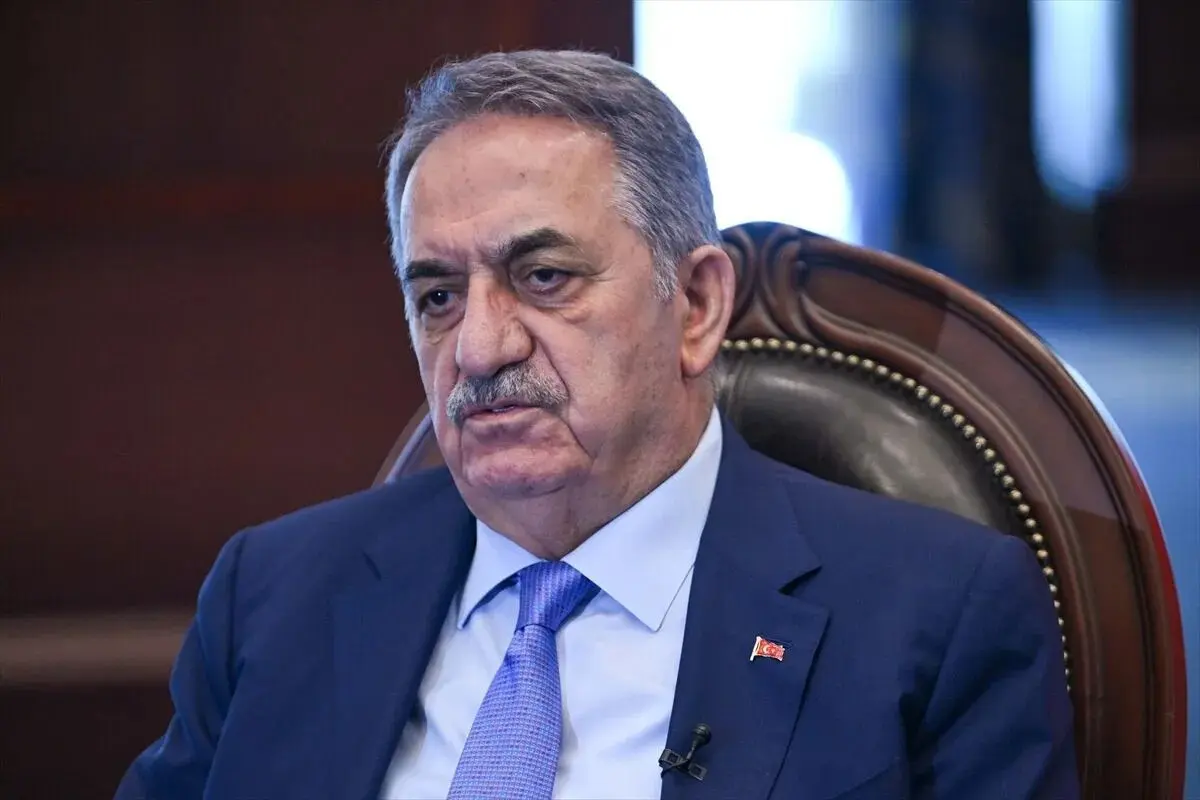
In a comprehensive and firm public statement issued on October 1, 2026, Hayati Yazıcı, the Deputy Chairman of the Justice and Development Party (AK Party) and one of its founding members, addressed recent allegations involving his son’s commercial activities. Speaking through his social media accounts, Yazıcı delivered a resolute defense of his family’s honor and the institutional integrity of the AK Party, asserting that he would not allow political adversaries or social media platforms to engage in "reputation assassination."
The statement comes at a time of heightened public discourse regarding political accountability and the intersection of private business and public office. Yazıcı, a veteran politician and legal expert, emphasized that his life has been guided by the principles of justice, law, and the clear distinction between what is permissible and what is forbidden (halal and haram). His remarks were framed not only as a personal defense but as a broader commentary on the necessity of a fair judicial process and the dangers of trial by public opinion.
A Foundation Built on Law and Ethics
Hayati Yazıcı began his address by reflecting on the core values that have shaped his decades-long career in Turkish law and politics. He noted that since reaching the age of legal and moral discretion—a stage he described using the traditional legal term "farik ve mümeyyiz"—he has adhered to a strict code of equity and justice. He attributed these values to his upbringing and his academic background, paying tribute to his late parents and the teachers who mentored him.
"The concepts of justice, law, and the distinction between right and wrong have been my unchanging measures," Yazıcı stated. "I have never engaged in any action or transaction for which I cannot give a full account, according to the perceived and known meanings of these concepts. My commitment to these principles is absolute, rooted in the values I inherited from my family and the education I received throughout my life."
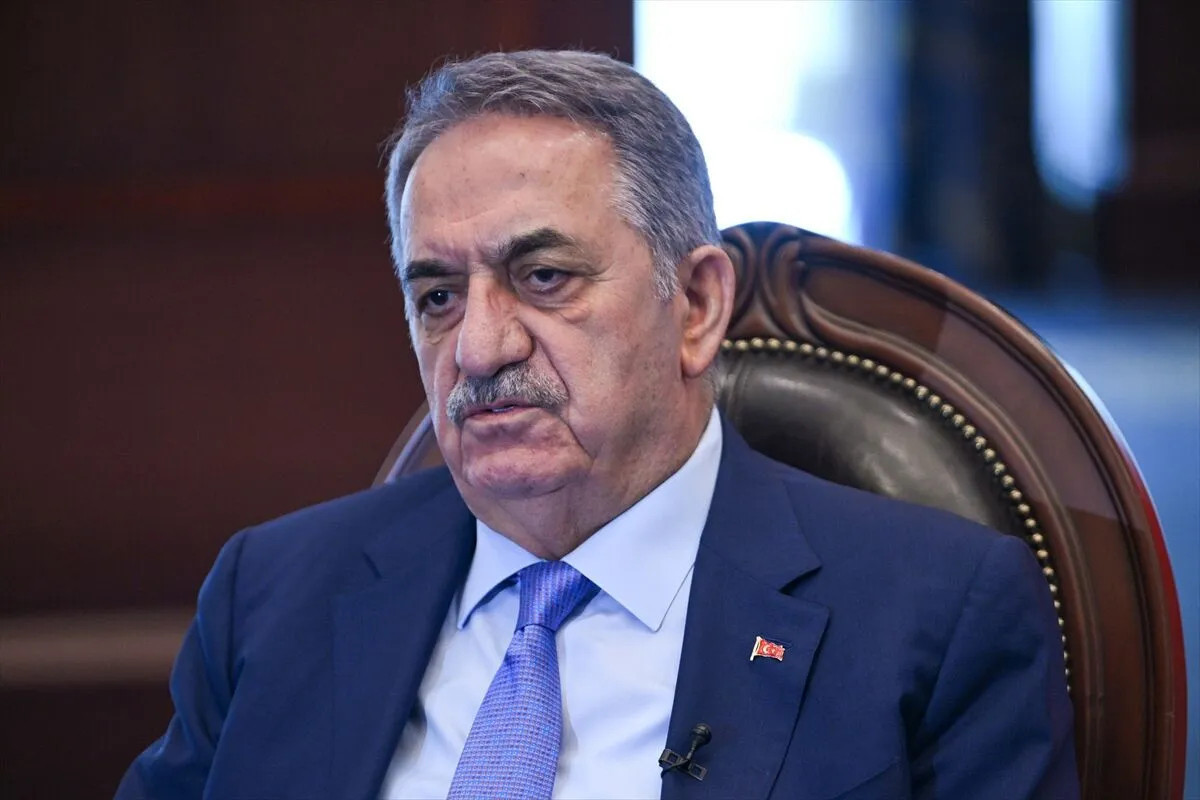
By invoking his personal history, Yazıcı sought to establish a narrative of lifelong consistency. As a lawyer by profession, his emphasis on "accountability" carries significant weight, suggesting that he views his actions and those of his family through the rigorous lens of legal compliance and ethical standards.
Defending the Legality of Commercial Transactions
The crux of Yazıcı’s statement focused on the business dealings of his son, which have recently become a subject of scrutiny. Without delving into the specific details of the commercial ventures in question, the Deputy Chairman expressed absolute confidence in their propriety. He characterized the activities as being entirely within the bounds of both the law and morality.
"I want it to be known that I have not a shred of doubt regarding the legality and morality of my son’s commercial actions and transactions," Yazıcı declared. This definitive stance is intended to signal to both supporters and critics that the family is prepared to face any formal investigation, confident that the facts will eventually exonerate them.
Yazıcı’s defense hinges on the distinction between "legalite" (legality) and "ahlakilik" (morality). In the current political climate, where legal compliance is often scrutinized alongside ethical perceptions, Yazıcı’s dual emphasis suggests an attempt to cover all bases of public and legal criticism. He maintained that there is no gap between what is legally permitted and what is ethically sound in his son’s professional conduct.
The Role of the Independent Judiciary and the Danger of Social Media
A significant portion of Yazıcı’s statement was dedicated to the functioning of the Turkish legal system. He called for the judiciary to be allowed to operate within its own channels, free from any form of external influence or intervention. This appeal for judicial independence is a standard yet vital component of his rhetoric, positioning the courts as the only legitimate arena for resolving disputes and investigating claims.
"The decision-making authority in judicial activities belongs to the neutral and independent judge," Yazıcı reminded his audience. He expressed a full belief that the truth would emerge with total clarity once the legal process concludes. He further noted that the primary goal of any investigation should be the thorough examination of claims and the protection of the savings and rights of citizens.
However, Yazıcı was sharply critical of the role played by social media in modern political controversies. He warned against the tendency of digital platforms to act as a "court of public opinion" where judgments are passed before the facts are fully established.
"Social media elements should not attempt to construct judgments," he warned. "I have no hesitation regarding the emergence of the truth; however, I will never, under any circumstances, permit a ‘reputation assassination.’ The pursuit of justice must not be replaced by a coordinated effort to tarnish an individual’s standing through misinformation and premature conclusions."
This critique of "reputation assassination" (itibar suikasti) highlights a growing concern among political figures regarding the speed and impact of digital narratives. Yazıcı’s comments suggest that he views the current wave of allegations as an orchestrated attempt to damage his credibility rather than a legitimate quest for transparency.
Protecting the AK Party’s Institutional Image

As a co-founder of the AK Party, Hayati Yazıcı’s personal reputation is inextricably linked to the image of the party itself. He made it clear that he views the allegations against his family as a proxy for a broader attack on the political organization he helped establish.
"I want it to be known that we will not allow those who are in an effort to smear our AK Party—of which I have been one of the founders since the preparation phase—using this investigation as an excuse," Yazıcı stated. This part of his message serves as a rallying cry for the party’s base and a warning to political opponents. By framing the issue as an attack on the party, he elevates the stakes from a private family matter to a significant political confrontation.
Yazıcı’s role within the AK Party has always been one of legal and structural importance. Having served in various high-level capacities, including as a minister and a key advisor, his defense of the party’s "siyaset anlayışı" (understanding of politics) is an assertion of the party’s foundational values. He argued that the party’s political approach is built on a sense of responsibility toward the nation and the representation of the values held by the people.
A Commitment to the Future with "Head Held High"
Concluding his statement, Yazıcı struck a note of resilience and determination. He reiterated that the party and its leadership remain undeterred by the current challenges.
"Just as it was yesterday, today we continue on our path with our heads held high and with the same determination," he said. This closing sentiment is designed to project strength and stability, suggesting that the leadership is not in retreat but is instead prepared to navigate the complexities of the current political and legal landscape.

The statement by Hayati Yazıcı serves several purposes: it provides a robust defense of his family’s integrity, it asserts the primacy of the rule of law over social media narratives, and it reinforces the solidarity of the AK Party leadership. By addressing the situation directly, Yazıcı aims to seize the narrative and shift the focus from speculative allegations to the formal processes of the judiciary.
As the legal proceedings move forward, the political impact of these allegations remains to be seen. However, Yazıcı’s clear and uncompromising stance indicates that he intends to fight the battle for his reputation and his party’s image on his own terms, relying on his long-standing identity as a man of law and a dedicated public servant. The emphasis on transparency, judicial independence, and ethical conduct remains at the heart of his message to the Turkish public.