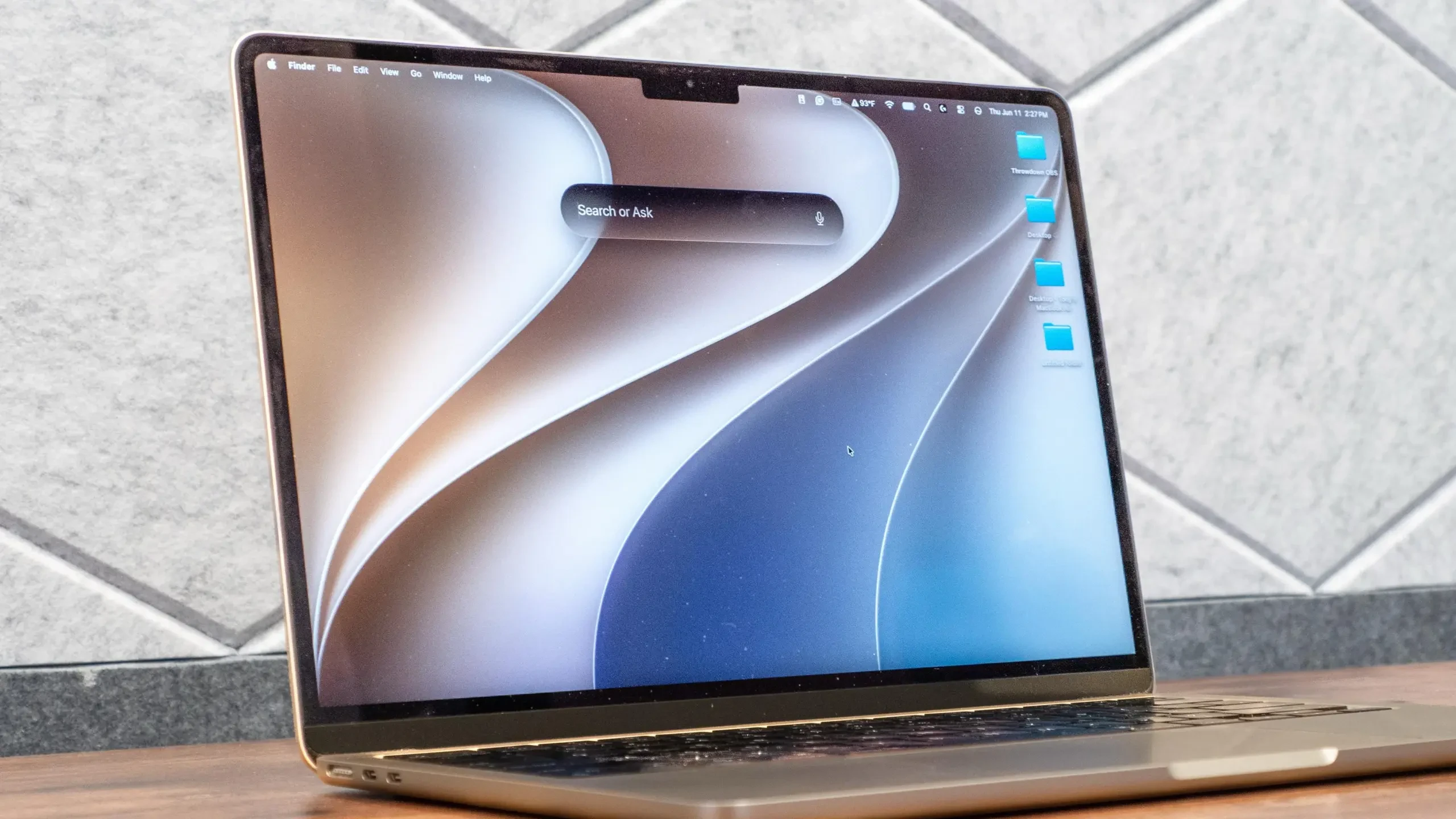
For years, rumors of a touchscreen MacBook have circulated through the tech industry, often met with skepticism due to Apple’s historical reluctance to merge its macOS and iPadOS hardware experiences. However, that long-standing paradigm appears to be on the verge of a historic shift. According to prominent Bloomberg journalist and seasoned Apple insider Mark Gurman, the Cupertino-based tech giant is steadily approaching the official debut of its highly anticipated touchscreen OLED MacBook models.
This major hardware update, which represents one of the most significant design and functional overhauls in the history of the Mac lineup, could be introduced to the public much sooner than expected. Industry analysts and supply chain sources suggest that Apple is targeting a late October or November release window for these groundbreaking laptops. Offered in both 14-inch and 16-inch configurations, these next-generation machines are expected to combine cutting-edge display technology with the immense processing power of Apple’s upcoming M5 chip family, potentially redefining what professional users expect from a premium laptop.
Apple Revamps Hardware Technologies
The transition to touch-enabled OLED screens on the MacBook Pro lineup marks a monumental shift in Apple’s hardware philosophy. For over a decade, Apple executives publicly dismissed the idea of a touchscreen laptop, arguing that vertical touch surfaces were ergonomically inefficient and that the trackpad and mouse remained the superior inputs for desktop operating systems. However, as user preferences have evolved and the boundaries between mobile, tablet, and desktop computing have blurred, Apple has quietly laid the groundwork for a touch-enabled macOS environment.
At the center of this hardware revolution is the adoption of Organic Light Emitting Diode (OLED) display technology. Currently, Apple’s high-end MacBooks utilize Liquid Retina XDR displays, which rely on Mini-LED backlighting. While Mini-LED technology offers impressive brightness and contrast, OLED represents a significant technological leap forward. Because OLED displays feature self-emissive pixels that can turn off completely to display true blacks, they deliver an infinite contrast ratio, unmatched color accuracy, and virtually zero "blooming" artifacts.
For creative professionals, such as photographers, video editors, and graphic designers, the introduction of OLED displays to the MacBook lineup will provide a level of visual precision that was previously only available on high-end external reference monitors or the latest iPad Pro models. Furthermore, OLED panels are inherently thinner and more energy-efficient than their LCD or Mini-LED counterparts. This reduction in display thickness could allow Apple to design even sleeker, lighter chassis designs without compromising on structural integrity or battery life.
Integrating touch functionality directly into these OLED panels presents its own set of engineering challenges. Apple is reportedly developing a specialized touch-sensitive layer that maintains the display’s optical clarity and anti-reflective properties while offering the responsive, low-latency touch experience that users have come to expect from iPhones and iPads. This integration will require macOS to adapt gracefully, introducing subtle UI adjustments to accommodate finger gestures and touch targets without losing the precision and depth of the traditional desktop operating system.

New Devices to Deliver Superior Performance
Beyond the visual and interactive upgrades, these upcoming MacBooks are expected to showcase massive leaps in computational performance. According to industry reports, the new 14-inch and 16-inch laptops will be powered by Apple’s next-generation silicon: the M5 Pro and M5 Max processors. Built on advanced semiconductor manufacturing processes, these chips are designed to deliver unprecedented efficiency and processing power, widening the performance gap between Apple Silicon and traditional x86 processors.
The M5 chip family is expected to place a heavy emphasis on artificial intelligence and machine learning capabilities. As Apple continues to roll out its suite of "Apple Intelligence" features across its ecosystem, the Neural Engine within the M5 Pro and M5 Max chips will be significantly upgraded to handle complex on-device AI workloads. This will enable faster natural language processing, advanced image and video editing tools, and more sophisticated developer environments, all operating locally on the machine with minimal latency and enhanced privacy.
Graphics performance is also set to receive a substantial boost. The GPU architecture of the M5 Pro and M5 Max will likely feature hardware-accelerated ray tracing, mesh shading, and improved memory bandwidth. This makes the new MacBooks highly attractive to 3D rendering artists, game developers, and creative professionals who demand desktop-class graphics performance in a portable form factor.
In addition to internal hardware upgrades, Apple is reportedly planning to adapt one of its most successful mobile user interface features for the laptop form factor: the Dynamic Island. First introduced on the iPhone 14 Pro to elegant effect, the Dynamic Island utilizes the physical camera cutout as an interactive, shape-shifting hub for notifications, background activities, and quick controls.
Adapting the Dynamic Island to macOS could fundamentally change how users manage notifications and multitask on their laptops. Positioned at the top of the MacBook’s display, the interactive notch could expand to display ongoing downloads, media playback controls, incoming FaceTime alerts, or render progress bars. This integration would turn a historically controversial design element—the screen notch—into a highly functional and intuitive productivity tool.
Connectivity Features Receive a Major Upgrade
To meet the demands of modern hybrid work environments, Apple is also poised to address a long-standing request from its professional user base: built-in cellular connectivity. The upcoming MacBook models are rumored to feature integrated 5G cellular modems, allowing users to remain connected to high-speed internet anywhere in the world without relying on public Wi-Fi networks or smartphone tethering.
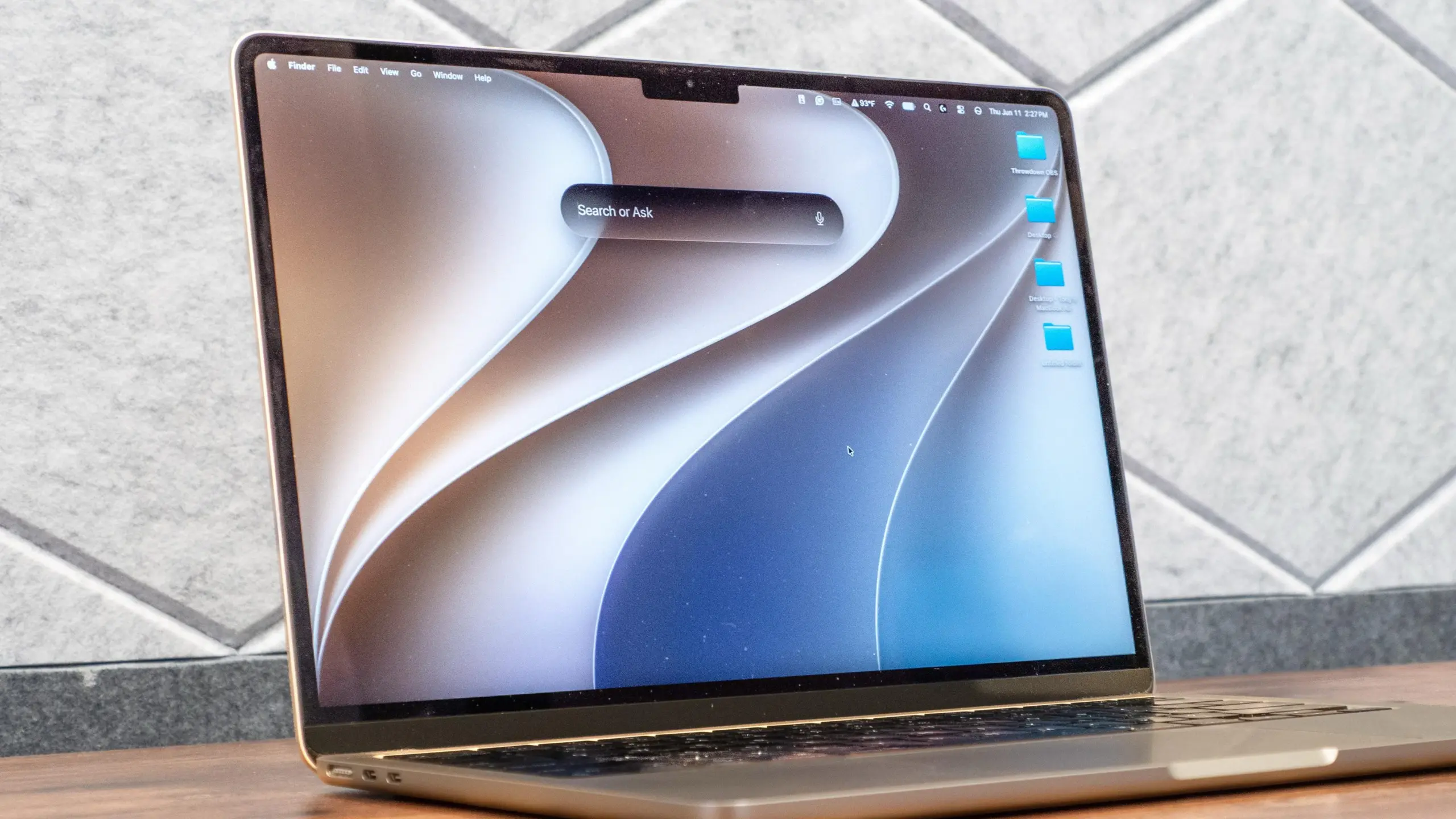
The inclusion of 5G connectivity represents a massive leap forward for mobile productivity. While iPad users have enjoyed cellular options for over a decade, MacBook users have historically had to rely on local Wi-Fi networks or mobile hotspots to access the cloud, send emails, or collaborate on projects while on the move. Built-in 5G will eliminate these extra steps, offering a seamless, always-on internet connection that is both faster and significantly more secure than public Wi-Fi networks, which are often vulnerable to cyber threats.
For enterprise users, field journalists, and remote creative teams, this constant connectivity will streamline workflows, enabling real-time cloud backups, instant file sharing, and uninterrupted video conferencing. This upgrade aligns perfectly with Apple’s broader strategy of positioning the MacBook Pro as the ultimate mobile workstation for professionals who cannot afford to be tethered to a traditional office desk.
As Apple prepares for its traditional autumn hardware showcase, the tech community is eagerly anticipating how these new laptops will be positioned alongside the rest of the company’s ecosystem. A late October or November announcement would place the new MacBooks at the center of the holiday shopping season, serving as the flagship offerings of Apple’s late-year lineup.
The convergence of touchscreen technology, OLED displays, M5 series silicon, the Dynamic Island, and 5G connectivity suggests that Apple is not merely iterative in its design philosophy; rather, the company is preparing to launch a comprehensive reimagining of what a personal computer can be. Whether this bold new direction will convince traditionalists to embrace touch-based laptop navigation remains to be seen, but it undoubtedly marks the beginning of an exciting new chapter in the history of the Mac.