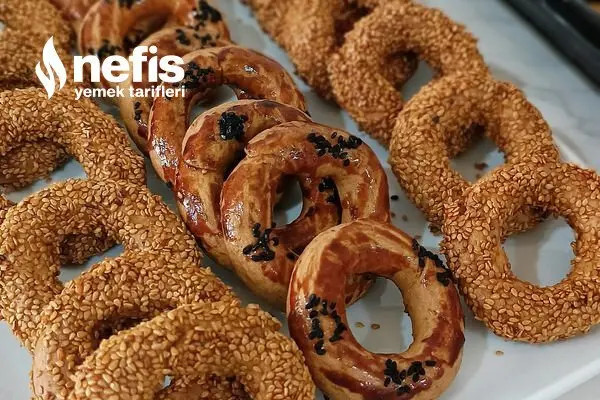
The culinary traditions surrounding sacred Islamic nights in Turkey have long served as a cornerstone for community bonding, charity, and the preservation of cultural heritage. Among the most cherished treats associated with these blessed evenings is the kandil simidi—a ring-shaped, crumbly, and aromatic pastry traditionally distributed to neighbors, family members, and the wider community. Recently, a specific recipe shared by culinary contributor Hatice Yıldırım on the popular platform Nefis Yemek Tarifleri has captured widespread attention, hailed by enthusiasts as the definitive version of the classic baked good, eliminating the need to search for alternative methods.
Published ahead of the holy night observances, the recipe has quickly circulated among home bakers looking to replicate the distinct texture and flavor profile typically found in high-end artisanal bakeries. According to Yıldırım, whose recipe has already found its way into the digital recipe boxes of numerous individuals seeking authentic results, the key lies in achieving a balance between a delicate, melt-in-the-mouth texture and the signature savory-sweet aroma characteristic of traditional kandil simids.
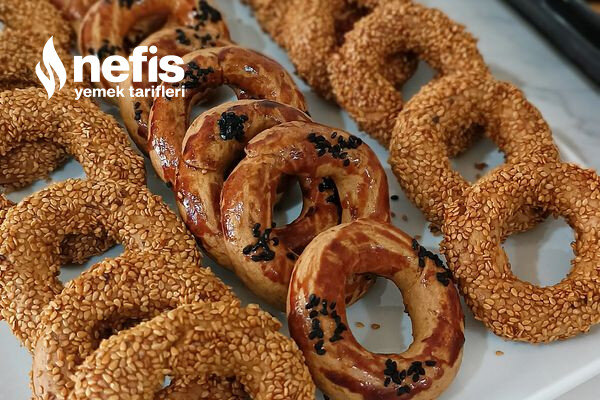
The cultural significance of preparing these pastries extends far beyond the kitchen. In her opening remarks accompanying the recipe, Yıldırım emphasized the spiritual and social dimensions of the practice. She noted that baking and sharing kandil simid serves as a tangible expression of charity, a means to strengthen neighborly relations, and an active way to both experience and perpetuate the profound atmospheric reverence of sacred nights. For many households, presenting these pastries in neatly arranged boxes is enough to convince recipients that they were sourced directly from a professional bakery, a testament to the precision and quality of the preparation method.
The recipe details have resonated with a broad audience, drawing numerous user comments, shared photographs, and high engagement metrics on the platform. Participants in the culinary community have shared their own experiences of trying the method, exchanging feedback, and showcasing the golden-brown results of their baking endeavors. This communal exchange highlights how digital platforms continue to play a vital role in keeping centuries-old culinary customs alive and accessible to modern households.
As communities prepare to observe upcoming religious nights, the emphasis on homemade goods that rival commercial alternatives reflects a broader trend toward mindful preparation and traditional hospitality. By focusing on authentic techniques, home cooks continue to foster a sense of warmth and generosity, ensuring that the time-honored custom of sharing kandil simid remains a vibrant and cherished part of cultural life.