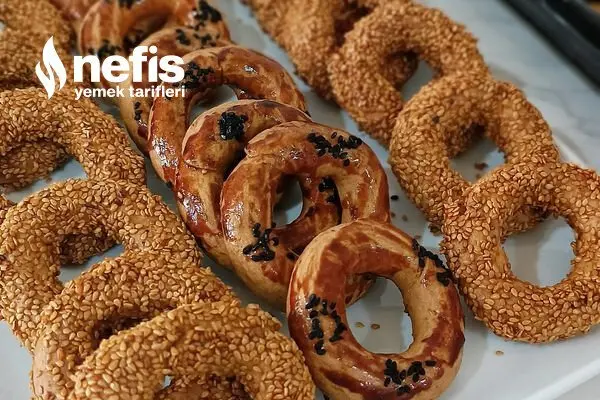
The culinary landscape of traditional Turkish baking has seen a significant surge in interest as home cooks increasingly seek out authentic flavors that rival professional bakeries. Among the most cherished seasonal treats is the kandil simidi, a ring-shaped, sesame-crusted savory biscuit traditionally prepared and shared during sacred Islamic nights, known as kandils. A recipe shared by food enthusiast Hatice Yildirim on the prominent culinary platform Nefis Yemek Tarifleri has recently captured widespread attention, praised by users as the definitive version of the classic pastry.
Published under the fittingly confident title "Kandil Simidi (Daha İyisini Aramayın)," which translates to "Kandil Simidi (Do Not Look for a Better One)," the recipe has quickly become a favorite among dozens of home cooks within the digital community. The widespread acclaim highlights a broader cultural yearning for homemade goods that carry the authentic taste, texture, and aroma of traditional neighborhood bakeries, while simultaneously fostering a sense of community and spiritual reflection during holy nights.
The cultural significance of preparing kandil simidi extends far beyond simple baking. For generations, these crumbly, melt-in-your-mouth rings have served as a medium for charity, neighborly connection, and the preservation of historical customs. When households prepare batches of these sesame-laden treats, a portion is traditionally packaged and distributed to neighbors, relatives, and those in need. This act of sharing is viewed not only as a charitable deed—known locally as hayır—but also as a powerful tool for strengthening social bonds within neighborhoods.
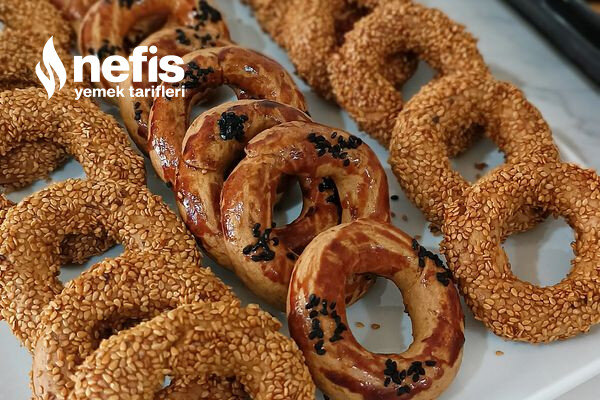
In her introduction to the recipe, Yildirim emphasizes this communal and spiritual dimension, wishing community members a blessed kandil evening filled with auspicious moments. She notes that the visual and sensory appeal of the homemade biscuits is so high that placing them inside a traditional bakery box would easily convince anyone they were purchased directly from a professional pastry shop. By inviting culinary enthusiasts to recreate the authentic atmosphere of these sacred nights in their own kitchens, the recipe bridges the gap between modern digital food sharing and ancient cultural heritage.
The appeal of Yildirim’s formulation lies in its commitment to the original flavor profile of the pastry. Unlike modern variations that may overly soften the texture or alter the traditional balance of butter, flour, and aromatic spices, this recipe focuses on achieving the classic crumbly consistency and distinctive golden-brown exterior coated generously in sesame seeds. The meticulous attention to detail in the preparation steps has earned it glowing reviews and numerous user photographs shared on the platform, showcasing successful attempts by bakers across the country.
As digital recipe archives continue to grow, community-driven platforms like Nefis Yemek Tarifleri play a crucial role in documenting and sustaining culinary traditions that might otherwise risk fading from daily life. Recipes that manage to capture both the precise technical requirements of traditional baking and the emotional warmth of cultural celebrations resonate deeply with contemporary audiences. Through the widespread sharing of such dishes, home cooks are able to participate in a collective cultural experience, ensuring that the rich heritage of Turkish bakery traditions remains vibrant, accessible, and lovingly practiced in kitchens nationwide.