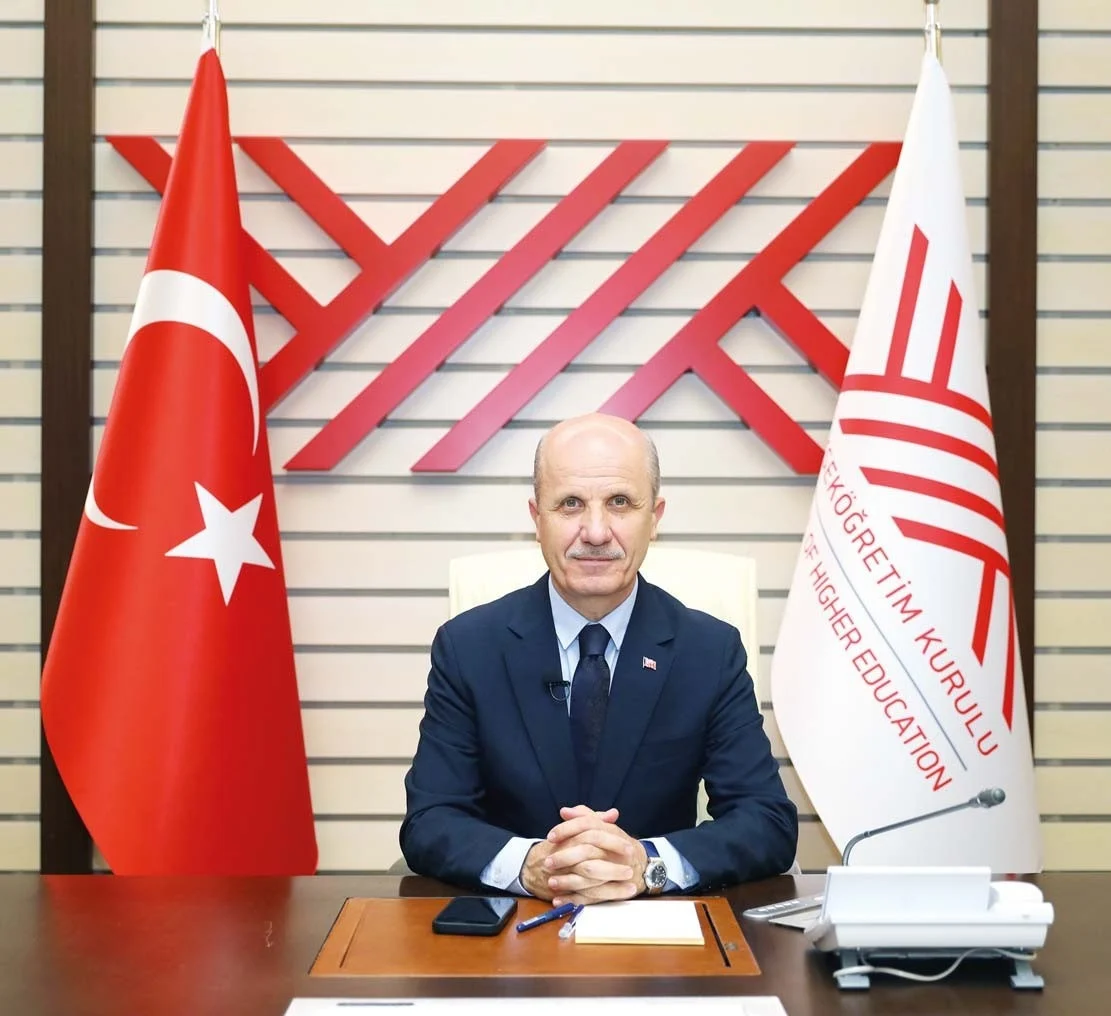
ŞANLIURFA — In a major shift reflecting the growing strategic importance of food security and technological innovation, the Council of Higher Education (YÖK) in Turkey has announced that newly opened associate and undergraduate programs in agriculture and animal husbandry have reached a 100 percent enrollment capacity over the last three years.
The announcement was made by YÖK President Prof. Dr. Erol Özvar during his participation in a high-profile panel discussion titled "How Will Universities Prepare for the Farms of the Future?" The event, organized by the Agricultural Technologies Clustering (TÜME) Foundation, took place at the Şanlıurfa GAP Airport as part of the TEKNOFEST aerospace and technology festival.
Addressing an audience of academics, students, and industry representatives, Özvar emphasized that agriculture and animal husbandry have transcended traditional boundaries to become sectors of paramount national importance, comparable in strategic weight to the defense industry. He outlined YÖK’s comprehensive vision to modernize agricultural education, ensuring that future agricultural engineers and veterinarians are equipped with cutting-edge skills in smart farming, autonomous systems, and robotic technologies.
Nearly 45,000 Students Enrolled in Agricultural Programs
A central pillar of YÖK’s current strategy is the optimization and enhancement of Turkey’s academic human resources. According to Özvar, the country’s agricultural faculties currently host nearly 45,000 enrolled students, representing a robust talent pool poised to transform the sector.
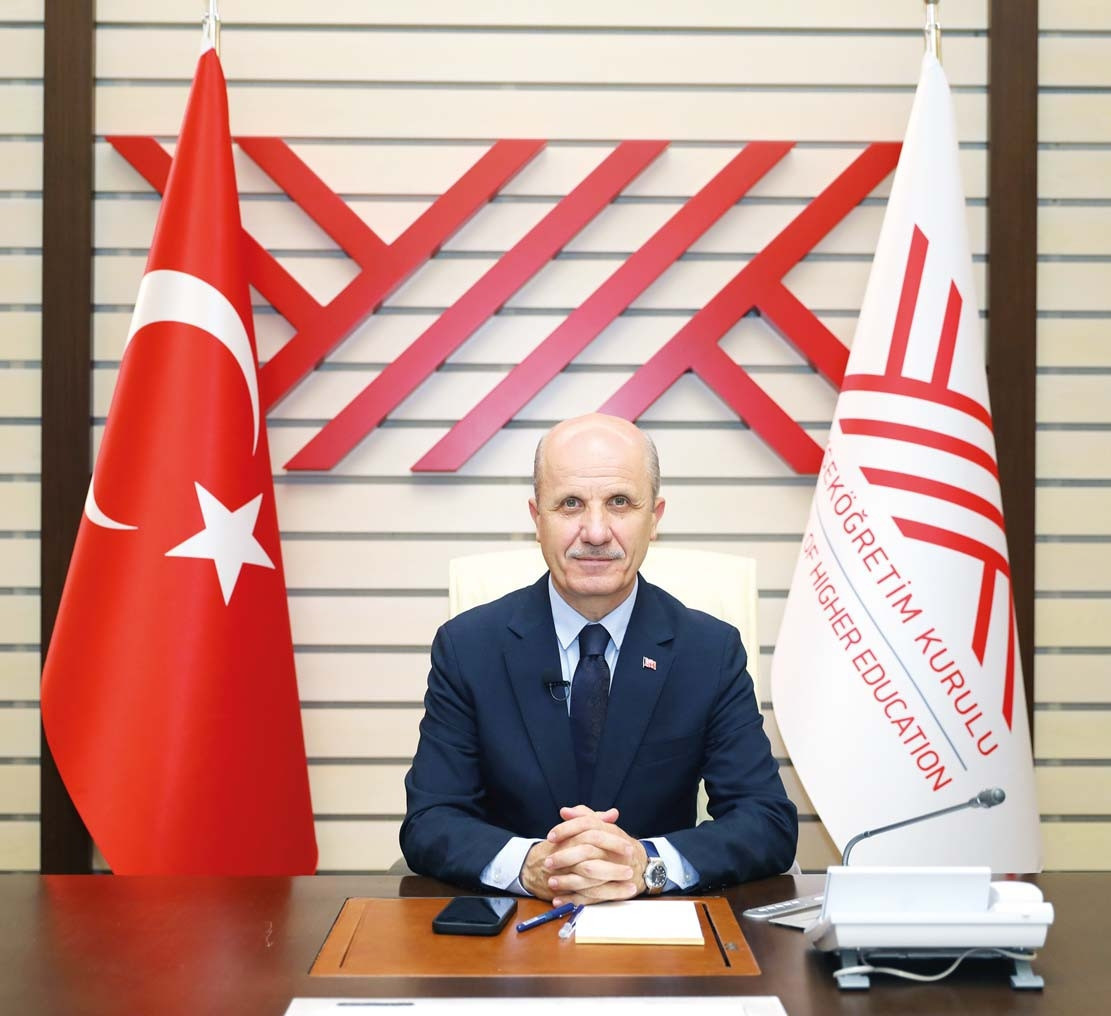
In addition to agricultural engineering, the field of veterinary medicine is experiencing a similar academic surge. Özvar revealed that approximately 20,000 students, including those pursuing master’s and doctoral degrees, are currently receiving advanced education in veterinary sciences.
Özvar noted that YÖK’s primary responsibility is to continuously elevate the quality of this human resource. He explained that attracting young, motivated minds to agricultural and veterinary disciplines is vital for the sustainability of the country’s food supply chains. The 100 percent occupancy rates in newly established programs indicate a powerful resurgence of youth interest in these fields, driven by the integration of modern technology into the curricula.
Integrating Drones, Robotics, and Autonomous Systems into Higher Education
To sustain this momentum, YÖK has undertaken a systematic restructuring of its academic offerings. Özvar highlighted that digital transformation is at the very top of the council’s agenda, forcing a departure from purely classical agricultural and veterinary teaching methods.
Over the past three to four years, YÖK has conducted a thorough review of existing associate and undergraduate programs. Programs that demonstrated declining employment relevance or failed to align with modern market needs were phased out of the higher education system. In their place, YÖK introduced innovative, market-driven programs designed to directly address the evolving demands of the agricultural workforce.

Among the newly integrated curricula are specialized programs focusing on agricultural machinery technology, autonomous agricultural systems, and unmanned aerial vehicle (drone) technologies.
"In the last three years, the occupancy rate in the associate and undergraduate programs we have opened in the fields of agriculture and animal husbandry has reached 100 percent," Özvar stated. This data underscores the success of aligning academic curricula with the technological expectations of the modern era, showing that students are highly receptive to programs that offer skills in high-tech farming.
Interdisciplinary Synergy and the Future of Smart Farming
Looking toward the coming decades, Özvar predicted that the reliance on sophisticated autonomous systems in both crop production and animal husbandry will accelerate. Consequently, the concept of agricultural security—ensuring stable, efficient, and technologically protected food production—will become a critical national agenda item.
To meet these future challenges, the next generation of agricultural engineers and veterinarians will not work in isolation. Özvar explained that YÖK is actively fostering an educational environment where agricultural students collaborate closely with peers from computer science, information technology, mechatronics, and various other engineering disciplines.

This cross-disciplinary approach is expected to catalyze the development of new AgTech startup models and entrepreneurial ventures. By graduating with a robust understanding of both biological systems and advanced technological applications, students will be uniquely positioned to design, deploy, and manage the automated systems that will define the farms of tomorrow.
Ten Universities Unite Under Applied Education Protocol
Acknowledging that theoretical knowledge must be coupled with practical expertise, YÖK is placing a strong emphasis on applied training in real-world production environments. To facilitate this, Özvar announced that 10 Turkish universities have officially joined a cooperative protocol signed with the TÜME Foundation.
This strategic partnership aims to bridge the gap between academic institutions and the agricultural industry. By integrating students into active production facilities and technology development clusters, the protocol seeks to cultivate a strong culture of entrepreneurship and innovation among the youth.
Özvar concluded by emphasizing that these hands-on opportunities will significantly enhance the employability of graduates, allowing them to transition smoothly into the professional workforce or launch their own technology-driven agricultural startups. Through these combined academic reforms and industry partnerships, Turkey is positioning its higher education system to lead the transition toward a highly automated, efficient, and secure agricultural future.