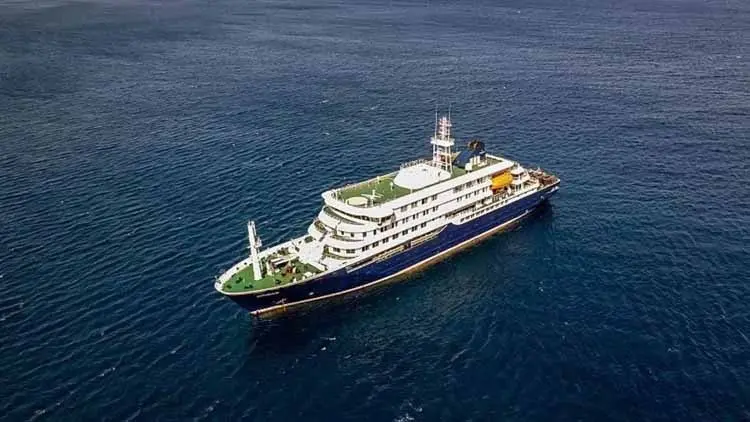
A suspected outbreak of hantavirus aboard a Dutch-operated expedition cruise ship has sparked a major international health alarm after claiming the lives of three people and leaving another patient in critical condition. The World Health Organization has initiated a comprehensive multi-agency investigation and activated international health protocols as public health authorities and maritime operators scramble to contain the situation. The vessel, which carried approximately 150 passengers on a three-week voyage originating in South America, is now facing complex logistical and medical challenges off the coast of West Africa as regional authorities evaluate the risks of allowing emergency medical evacuations.
The incident has drawn global attention due to the extreme severity of hantavirus infections, which are rarely encountered in maritime cruise settings. With patients requiring specialized intensive care and crew members urgently needing medical intervention, international health authorities are working alongside national governments to monitor the ship’s path, conduct advanced diagnostic testing, and evaluate the potential for further transmission among those remaining on board.
Death Toll Rises to Three as Six Fall Ill On Board
According to official updates released by the World Health Organization, six individuals on board the vessel have been directly impacted by the mysterious illness, with outcomes deteriorating rapidly for several of those infected. Out of the six confirmed affected individuals, three have lost their lives, underscoring the lethal potential of the pathogen suspected of circulating on the ship.
A fourth patient remains in grave condition and is currently receiving specialized treatment in an intensive care unit in South Africa. Public health agencies have not released the detailed clinical timelines for each patient, but the rapid progression from initial symptoms to severe illness has heightened anxiety among passengers and crew members alike. The status of the remaining two symptomatic individuals continues to be closely monitored by medical staff as international agencies assess their immediate healthcare needs.
The emergence of multiple severe cases within a contained shipboard environment has elevated concerns among epidemiological experts. While cluster outbreaks of hantavirus are historically uncommon, the presence of six severe or fatal cases originating from a single voyage has required an immediate, high-priority public health response across multiple jurisdictions.
Cruise Operator Confirms Fatalities and Medical Emergency
Netherlands-based cruise company Oceanwide Expeditions, which operates the vessel involved in the incident, has formally confirmed the deaths on board and acknowledged the critical situation facing its crew and passengers. In a statement addressing the ongoing medical emergency, the company confirmed that urgent medical attention is required for affected individuals, noting specifically that two crew members are currently in dire need of advanced medical care.
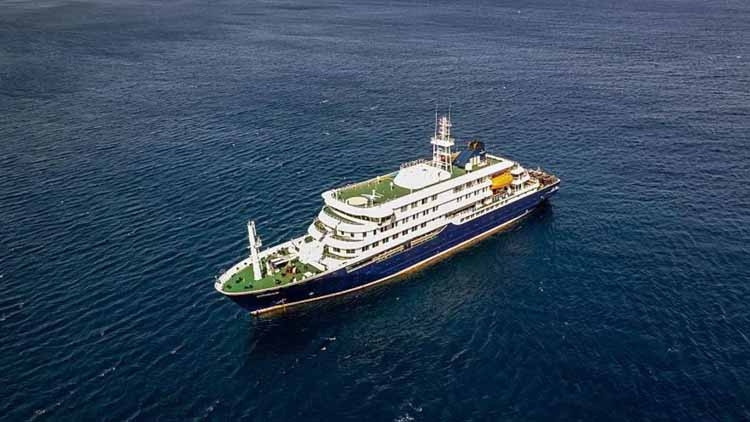
The operator emphasized that emergency care protocols were initiated as soon as symptoms were recognized, but the isolated nature of maritime travel has presented severe constraints on the delivery of advanced life-support measures. Oceanwide Expeditions stated that it is cooperating fully with international health bodies, maritime security agencies, and regional port authorities to secure immediate medical support and facilitate necessary transfers to onshore hospital facilities.
Reports regarding the identities and nationalities of those affected have begun to emerge through diplomatic and health channels. According to information provided by the South African Department of Health and reported by Sky News, at least one of the individuals affected by the outbreak is a British national. Diplomatic missions and consular services are understood to be liaising with health officials to support the families of those affected and assist in coordinating emergency logistical arrangements.
WHO Launches Detailed Investigation and Genetic Sequencing
In response to the growing crisis, the World Health Organization has launched a comprehensive, multi-disciplinary investigation to definitively identify the pathogen, trace its origin, and prevent any further spread. The agency confirmed that extensive laboratory testing and detailed epidemiological evaluations are actively underway to analyze samples collected from the affected individuals.
A crucial component of the ongoing scientific effort involves determining the precise genetic sequence of the virus. WHO scientists and partner laboratory networks are working to complete full viral genome sequencing, an essential step that will allow researchers to identify the specific strain of hantavirus involved, compare it against known global databases, and pinpoint its probable geographic source. Identifying the exact viral strain is vital for understanding its severity, incubation period, and potential transmission dynamics.
In its official public communication, the health agency affirmed that comprehensive support is being delivered to those on board while investigations proceed. The organization stated that detailed investigations, including laboratory tests and epidemiological assessments, are continuing concurrently with efforts to map the virus’s genetic profile. These findings will inform the clinical management of remaining patients and guide public health directives for the cruise industry.
Medical Evacuation Uncertainty Continues Off the Coast of Cape Verde
As the medical emergency unfolds at sea, the vessel—identified as the MV Hondius—has encountered significant diplomatic and regulatory hurdles regarding emergency shore access. Authorities in Cape Verde have not yet granted official approval for a full medical evacuation of the symptomatic individuals from the ship, citing the need for rigorous health risk assessments before permitting potentially infectious patients to be brought ashore.

Despite the lack of formal clearance for offloading patients, local health teams in Cape Verde have conducted direct evaluations of the two symptomatic individuals currently requiring urgent care. Specialized medical personnel have assessed the patients’ conditions to determine whether they can be safely stabilized on board or if immediate transfer to an onshore facility is medically imperative.
The standoff highlights the intricate diplomatic and biosecurity challenges that arise when dangerous infectious diseases are suspected on international vessels. Port authorities must carefully balance international humanitarian obligations and maritime rescue laws against the potential public health risks posed to domestic populations, particularly when local healthcare infrastructure may have limited capacity to manage rare, high-consequence viral pathogens.
What Is Hantavirus and How Does It Spread?
Hantaviruses belong to a family of viruses spread primarily by rodents, capable of causing severe and often fatal disease syndromes in humans, including Hantavirus Pulmonary Syndrome (HPS) and Hemorrhagic Fever with Renal Syndrome (HFRS). The World Health Organization issued detailed guidance regarding the nature of the pathogen and its primary modes of transmission to inform the public and reduce widespread panic.
Under normal circumstances, human hantavirus infections occur through direct or indirect exposure to the urine, saliva, or fecal matter of infected rodents. Transmission most commonly happens when dried viral particles from rodent waste become aerosolized and are inhaled by individuals working or living in enclosed, poorly ventilated spaces. Physical contact with contaminated surfaces followed by touching the mouth, nose, or eyes can also introduce the virus into the body.
While the primary pathway of infection remains rodent-to-human contact, health authorities note that human-to-human transmission is extremely rare, though it has been documented in specific South American strains such as the Andes virus. When contracted, the virus can lead to acute respiratory distress, sudden vascular collapse, renal failure, and severe internal complications, carrying a high case-fatality rate. The WHO emphasized that while person-to-person spread is an exceptional occurrence, the severity of the respiratory illness it causes necessitates strict isolation measures and enhanced infection control protocols aboard the vessel.
International Health Alarm Triggered as Global Coordination Mobilizes
Recognizing the potential international implications of an outbreak occurring on an ocean-crossing vessel, the WHO has activated global health monitoring mechanisms to maintain close surveillance over the situation. The organization confirmed that robust international coordination is actively functioning across multiple governmental and maritime channels.

To ensure a synchronized international response, the WHO is working directly with member states, ship operators, and regional healthcare authorities. The agency explained that it is actively coordinating with member states and vessel operators to facilitate the safe medical evacuation of two symptomatic passengers and to perform a comprehensive, ship-wide risk assessment for all remaining individuals on board.
Furthermore, formal notifications have been issued to relevant national authorities in accordance with the International Health Regulations (IHR), a binding international legal framework designed to prevent, protect against, and control the international spread of disease. The WHO announced that an official Disease Outbreak News bulletin will be published to provide transparent, updated scientific and operational details to the international medical community and the general public.
Outbreak Emerges During Three-Week Antarctic Expedition
The medical emergency developed in the midst of an extended trans-Atlantic voyage that began approximately three weeks ago. The MV Hondius departed from Argentina carrying roughly 150 passengers, embarking on a specialized polar expedition itinerary that included stops in Antarctica and several remote oceanic locations before setting a course northeast toward the archipelago of Cape Verde.
Expedition voyages of this nature frequently take passengers through isolated environments far removed from major medical infrastructure, making on-board disease management critically important. It remains unclear at what precise point during the multi-week journey the initial exposure occurred, or how a rodent-borne virus may have entered the ship environment or infected individuals participating in onshore excursions.
As the vessel continues its journey toward West Africa under international observation, health authorities are focusing on identifying all potential exposure points along the ship’s itinerary, including its initial departure ports in South America and subsequent stops in polar territories. The ongoing epidemiological tracking aims to establish a clear timeline of exposure, monitor all 150 passengers for potential incubation symptoms, and ensure that strict containment protocols remain enforced until the vessel reaches a designated port equipped to handle high-level medical isolation.