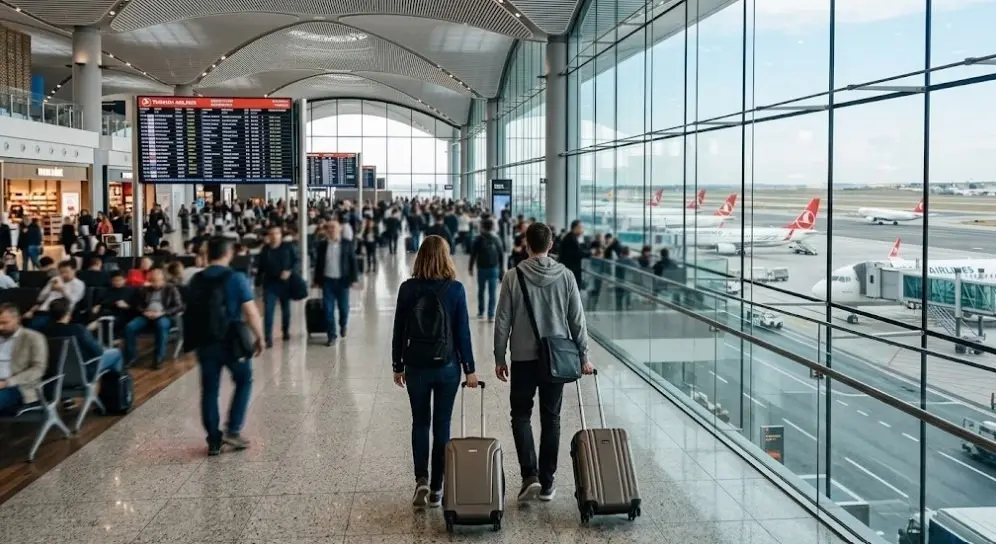
A major global research initiative examining consumer behaviors across 14 countries has revealed the fundamental shifts set to shape the international travel landscape in 2027. Conducted by hospitality giant Hilton in collaboration with research firm Morning Consult, the comprehensive 2027 Travel Trend Report synthesizes insights from more than 14,000 travelers worldwide—including detailed data from Turkey—offering an unprecedented look into how evolving guest expectations, emerging technologies, and changing lifestyle priorities are redefining the modern getaway.
The study underscores a profound evolution in how individuals conceptualize and execute their travel plans. Rather than adhering to standardized itineraries or traditional tourist paths, today’s travelers are increasingly prioritizing customized experiences that align with their personal values, mental well-being, and individual aspirations.
Commenting on the findings of the report, Simon Vincent CBE, Executive Vice President and President, EMEA at Hilton, highlighted the fundamental shift in consumer mindset driving these emerging patterns. "Travelers are now focusing on making the time they spend away much higher quality," Vincent stated. "Rather than pursuing a one-size-fits-all ‘perfect vacation,’ they are seeking experiences that reflect their own personal interests and priorities."
The New "Travel Trust Equation": Balancing Artificial Intelligence and Human Touch
One of the report’s most striking revelations centers on the decision-making processes of modern vacationers, particularly in an era increasingly defined by digital transformation. As artificial intelligence tools become deeply integrated into trip planning, the concept of trust has emerged as the single most critical factor in determining where and how people choose to travel.
The research indicates that consumers are navigating a complex ecosystem comprising digital software, personal word-of-mouth recommendations, and brand loyalty programs, using each resource at different stages of their travel journey. This dynamic has given rise to what the report terms a new "Travel Trust Equation." In this framework, artificial intelligence serves to accelerate the initial discovery process, human expertise provides fundamental reassurance and trust, and brand loyalty programs validate and confirm the quality of the overall experience.
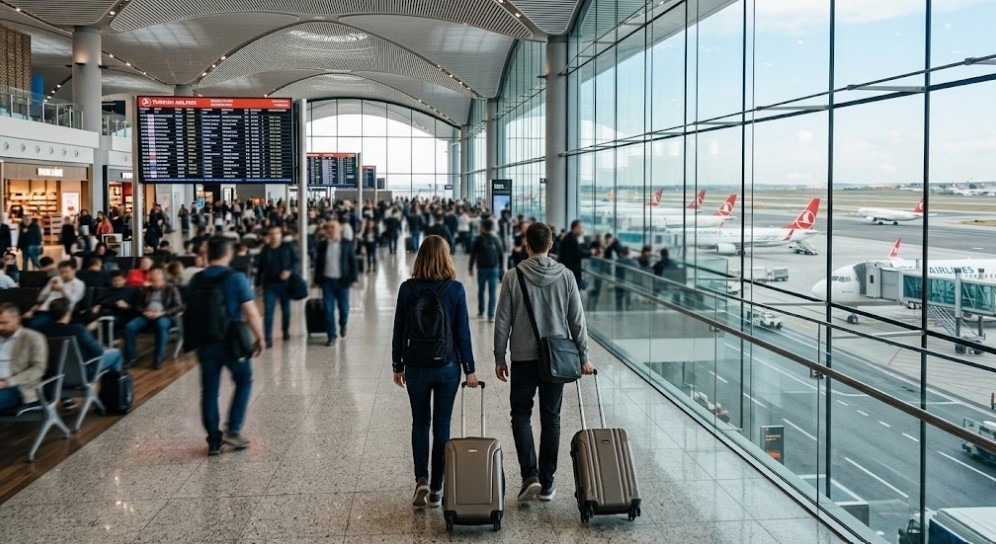
In Turkey, trust in artificial intelligence has reached a notable threshold, playing a decisive role during critical planning moments. When selecting accommodations, 20 percent of Turkish travelers report that they place their highest level of trust in AI tools. This places artificial intelligence on equal footing with direct advice from family members, which also stands at 20 percent. Remarkably, reliance on AI technology among Turkish consumers has surpassed recommendations from friends, which accounted for 15 percent of responses in the survey. This statistical parity between algorithmically generated guidance and family advice underscores a rapid cultural adaptation to automated travel technology in the region.
Solo Travel Emerges as a Vehicle for Personal Growth and Recharge
The 2027 Trend Report also sheds light on the rising popularity of solo travel, driven by a desire for self-reflection and mental restoration. Across the surveyed markets, traveling alone is no longer viewed merely as an alternative to group trips, but as an intentional choice aimed at personal enrichment.
Among Turkish travelers planning to embark on solo journeys within the next 12 months, 39 percent cited "dedicating time to personal growth and self-assessment" as their primary motivation. With this figure, Turkey ranks first globally in this category, leading ahead of South Korea (34 percent) and India (33 percent). The high percentage reflects a growing societal focus on self-care and intentional living among Turkish holidaymakers.
Furthermore, solo travel is heavily utilized as a mechanism for physical and emotional recovery. The study found that 51 percent of Turkish respondents choose to travel alone specifically to "rest and recharge." In this metric, Turkey holds the second-highest position worldwide, trailing only Japan, where 55 percent of travelers expressed the same preference.
Redefining Vacation Benchmarks: Restoration and Premium Hospitality
The criteria for what constitutes a successful holiday are undergoing a parallel transformation. Rather than measuring a trip’s success by the number of attractions visited or activities completed, global consumers are placing greater value on the physical and psychological state in which they return home.

When asked to define the key indicators of a good vacation, 58 percent of Turkish participants emphasized "returning home feeling more rested and refreshed." Turkey shares the top tier globally for this metric alongside South Korea (58 percent), both following closely behind Japan, which leads the world at 65 percent.
At the same time, the physical environment of the trip remains a cornerstone of the overall experience. The research shows that 40 percent of Turkish travelers consider "staying in a great hotel" to be an essential indicator of a successful journey. This places Turkey among a distinct group of hotel-centric markets where high-quality accommodations directly dictate vacation satisfaction, ranking alongside the United Kingdom (43 percent), Saudi Arabia (41 percent), and Japan (41 percent).
The Demand for Fresh Air, Nature, and Nervous System Regulation
In line with the overarching focus on wellness, the Hilton-Morning Consult report highlights an increasing demand for outdoor environments and experiences that support sensory recovery. Modern travelers are actively seeking out destinations that offer an antidote to the stresses of urban life and screen-centric routines.
Half of all Turkish travelers surveyed—50 percent—stated that clean air and spending time outdoors are indispensable elements for achieving relaxation during a getaway. This preference places Turkey fifth globally in outdoor-focused travel choices, behind leading Latin American markets such as Brazil (54 percent) and Colombia (52 percent).
In addition to outdoor activity, travelers are prioritizing internal balance. The report revealed that 40 percent of Turkish participants actively seek out experiences designed specifically to soothe their nervous system and calm their bodies. This emphasis on physiological regulation signals a broader shift toward functional wellness travel, where accommodation design, amenities, and environmental surroundings are expected to foster tranquility.

Extended Vacations Triumph Over Short Weekend Escapes
The survey also reveals significant shifts in travel frequency and duration. On a global level, approximately one-third of respondents who plan to increase their travel frequency over the coming year intend to do so through a balanced mixture of short getaways and extended vacations.
However, consumer preferences in Turkey diverge sharply from this global average. Among Turkish travelers who plan to increase their travel frequency over the next 12 months, 54 percent state a clear preference for longer stays, positioning Turkey as the global leader in prioritizing extended trips.
Rather than opting for brief weekend getaways, Turkish travelers are demonstrating a strategic preference to maximize the time spent away from home. By allocating their time toward longer, more immersive stays, consumers aim to extract maximum restorative value from their trips, reinforcing the study’s central finding that modern travel is increasingly defined by quality, purpose, and personal rejuvenation.