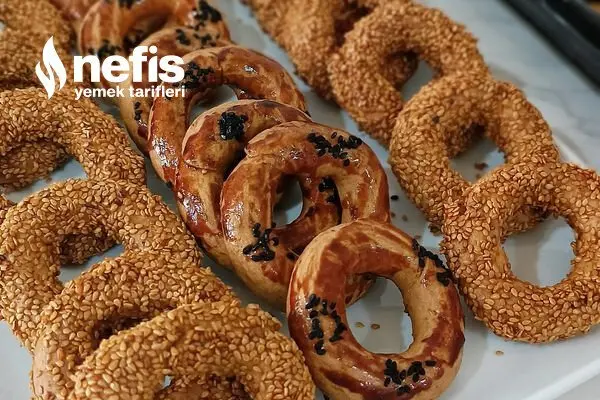
The rich culinary heritage of traditional Turkish baking has once again taken center stage, driven by home cooks seeking to recreate the authentic tastes of neighborhood bakeries during sacred religious nights. Among the most cherished culinary traditions of these holy evenings is the preparation of kandil simidi—the ring-shaped, sesame-crusted pastry that graces dining tables, local mosques, and family gatherings across Turkey.
A recipe shared by food enthusiast Hatice Yildirim on the popular culinary platform Nefis Yemek Tarifleri has recently captured the imagination of countless home cooks. Titled simply "Kandil Simidi (Daha İyisini Aramayın)," or "Kandil Simidi (Don’t Look for a Better One)," the recipe has quickly become a favorite within numerous digital recipe books. Beyond its growing popularity online, the dish serves a much deeper cultural purpose, acting as a bridge for community bonding, charity, and the preservation of long-standing social customs.
The significance of kandil simidi lies not only in its distinct texture and aroma—typically characterized by a crumbly, melt-in-the-mouth texture infused with mahlab—but also in the spirit of sharing that accompanies it. For generations, preparing these bite-sized rings has been synonymous with the concept of "hayır," a term encompassing charitable deeds and acts of goodwill meant to bring blessings to the household and the wider community. When packaged neatly, these homemade pastries often rival those found in professional establishments, leading many to remark that anyone receiving a box would easily mistake them for store-bought goods from a high-end patisserie.
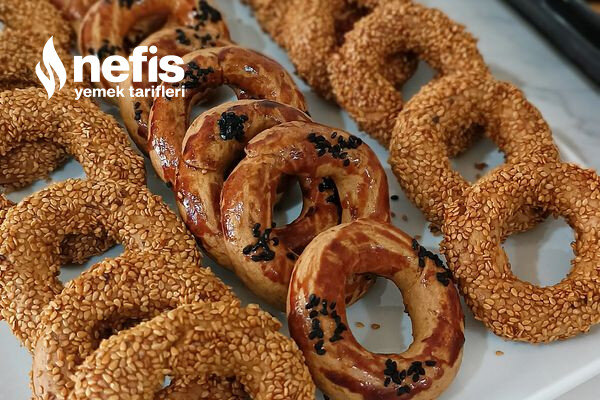
This enduring appeal stems from a collective desire to keep the spiritual atmosphere of holy nights alive within modern homes. By baking these traditional cookies, individuals actively participate in a shared cultural memory. The practice strengthens neighborhood ties as plates of freshly baked simit are exchanged between neighbors, creating a warm environment of hospitality and mutual respect. It is this combination of sensory delight and communal warmth that transforms a simple baking recipe into an essential part of cultural heritage.
The meticulous details shared by creators like Yildirim reflect a broader trend in contemporary culinary culture, where traditional techniques are preserved and passed down through digital platforms. Home cooks today are no longer relying solely on handwritten recipe notebooks passed through families; instead, they turn to community-driven food websites where thousands of users can test, adapt, and share feedback on authentic regional dishes. The interactive nature of these platforms allows culinary traditions to thrive in a digital age, ensuring that recipes requiring specific skills and traditional flavor profiles remain accessible to younger generations.
As preparation for these holy nights continues to evolve, the core motivation behind baking kandil simidi remains remarkably consistent. It is rooted in generosity, devotion, and the simple joy of sharing food with loved ones. Whether distributed among neighbors, shared with colleagues, or enjoyed quietly within the family circle, the tradition of the kandil simidi continues to hold a secure place in the hearts and kitchens of those who cherish authentic Turkish flavors.