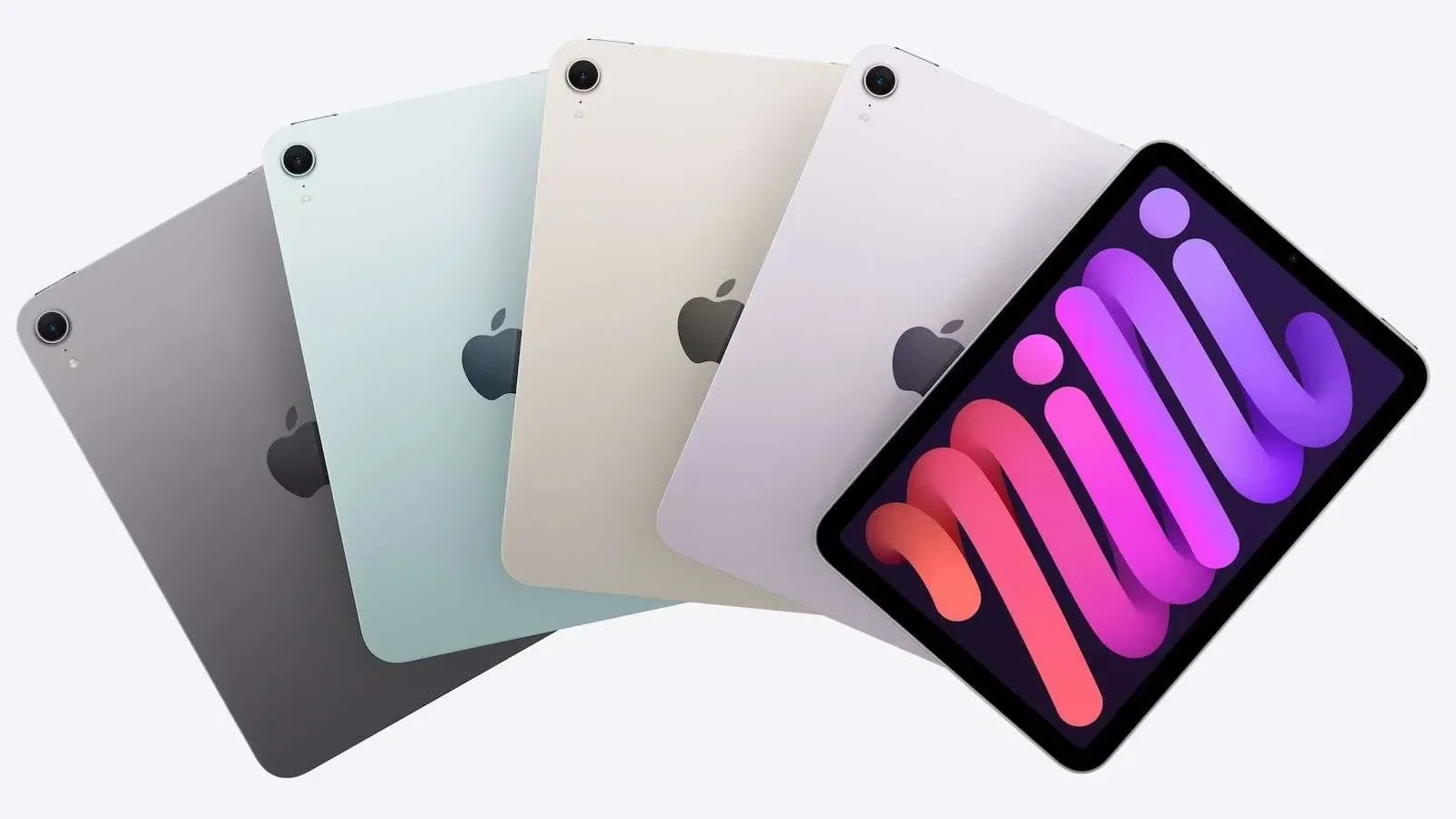
The market for compact tablets has undergone significant shifts over the past decade, with many manufacturers phasing out smaller form factors in favor of larger, laptop-replacing screens. However, Apple has consistently maintained a dedicated following for its smallest slate, the iPad Mini. Positioned as an ultra-portable yet highly capable device, the iPad Mini has carved out a unique niche for professionals, students, and digital reading enthusiasts alike.
Now, highly anticipated leaks surrounding the next-generation iPad Mini 8 suggest that Apple is preparing one of the most substantial hardware overhauls in the product line’s history. According to recent industry reports, the upcoming compact tablet is poised to receive premium display technology, a cutting-edge processor, and a radical redesign of its audio and chassis architecture. These updates could launch as early as the final quarter of the year, with industry insiders pointing toward an October release window.
Information compiled from various supply chain leaks and reports—including details shared by Bloomberg—indicates that Apple is moving away from the incremental spec bumps that characterized previous generations. Instead, the iPad Mini 8 is shaping up to be a premium powerhouse designed to align more closely with the hardware standards of Apple’s high-end Pro devices.
OLED Display and Hardware Upgrades
Perhaps the most significant upgrade rumored for the iPad Mini 8 is a fundamental shift in its display technology. Since its inception, the iPad Mini has relied on Liquid Retina LCD panels. While these screens have offered excellent color accuracy and sharpness, they are fundamentally limited by backlighting technology, which prevents them from achieving true blacks and infinite contrast ratios.
According to the latest leaks, Apple plans to replace the traditional LCD panel of the current model with an advanced OLED (Organic Light-Emitting Diode) display. This technological leap promises to transform the viewing experience on the compact tablet. Because OLED pixels emit their own light and can be turned off individually, users can expect incredibly deep black levels, a much wider and richer color palette, and vastly improved contrast values. This upgrade will make the iPad Mini 8 an exceptionally strong device for media consumption, HDR video editing, and high-fidelity gaming.
However, the transition to OLED has sparked an intense debate within the tech community regarding the display’s refresh rate. One of the most persistent criticisms of the iPad Mini 6 and iPad Mini 7 was the phenomenon known as "jelly scrolling"—a visual stutter that occurs when one half of the screen refreshes slightly slower than the other during portrait scrolling.
While some supply chain reports suggest that Apple will address this by introducing ProMotion technology to the iPad Mini 8, allowing for a smooth 120Hz variable refresh rate, other sources remain cautious. These skeptical reports suggest that Apple may limit the OLED panel to a standard 60Hz refresh rate to maintain a clear distinction between the iPad Mini and the premium iPad Pro lineup. Even if the refresh rate remains capped at 60Hz, the switch to OLED is expected to naturally mitigate the response-time issues that contributed to the jelly scrolling effect on previous LCDs.

Under the hood, the iPad Mini 8 is expected to boast a massive leap in processing power. Leaks suggest the device will be powered by Apple’s unannounced, next-generation A20 Pro silicon. This highly advanced chip is expected to be built on an ultra-efficient fabrication process, delivering unprecedented computational and graphical performance for a device of this size.
The inclusion of the A20 Pro processor is not just about raw speed; it is also heavily tied to Apple’s long-term software roadmap. The enhanced Neural Engine within the A20 Pro is rumored to provide the hardware foundation necessary to run highly sophisticated, on-device artificial intelligence features. Industry insiders suggest this chip will pave the way for the advanced Siri capabilities and deep system-level AI integrations expected to debut alongside future operating system iterations, such as iOS 27.
Beyond internal specifications, the physical layout of the tablet’s face is also slated for a modern realignment. Apple is reportedly planning to relocate the front-facing camera from the short top bezel to the longer side bezel, orienting it for landscape use. This change mirrors the design language seen on the 10th-generation iPad, the M2 iPad Air, and the M4 iPad Pro.
As more users utilize tablets for video conferencing, virtual meetings, and landscape-oriented productivity, moving the camera to the long edge ensures that the user appears centered on screen during calls. Leaked schematic codes indicate that the camera sensor will sit flush along this landscape edge, accompanied by a small physical notch or recess at the top of the chassis to accommodate a speaker element, while the volume and power buttons will remain in their traditional positions at the top of the frame.
Innovative Speaker System and Design Details
In tandem with the display and processing upgrades, Apple is reportedly exploring a revolutionary approach to the tablet’s audio delivery. For years, mobile devices have relied on open speaker grilles carved into the aluminum enclosure to let sound escape. However, these grilles represent a significant point of vulnerability, allowing dust, lint, and moisture to easily enter the delicate internal circuitry of the device.
To combat this, leaks indicate that Apple is developing a vibration-based speaker system for the iPad Mini 8. This innovative technology works by using specialized actuators to vibrate the display glass or the device’s aluminum chassis itself to generate high-quality sound waves. By turning the physical body of the tablet into an acoustic transducer, Apple could potentially eliminate traditional speaker grilles entirely.
According to earlier Bloomberg reports, this structural redesign is not merely an aesthetic choice; it is a calculated move to dramatically improve the tablet’s durability. By sealing off the speaker ports, Apple hopes to achieve a level of ingress protection comparable to the IP68 water and dust resistance ratings found on modern iPhone models. Such a feature would make the iPad Mini 8 the most durable iPad ever made, opening up new use cases for industrial workers, marine navigators, and families with young children who require a resilient device.
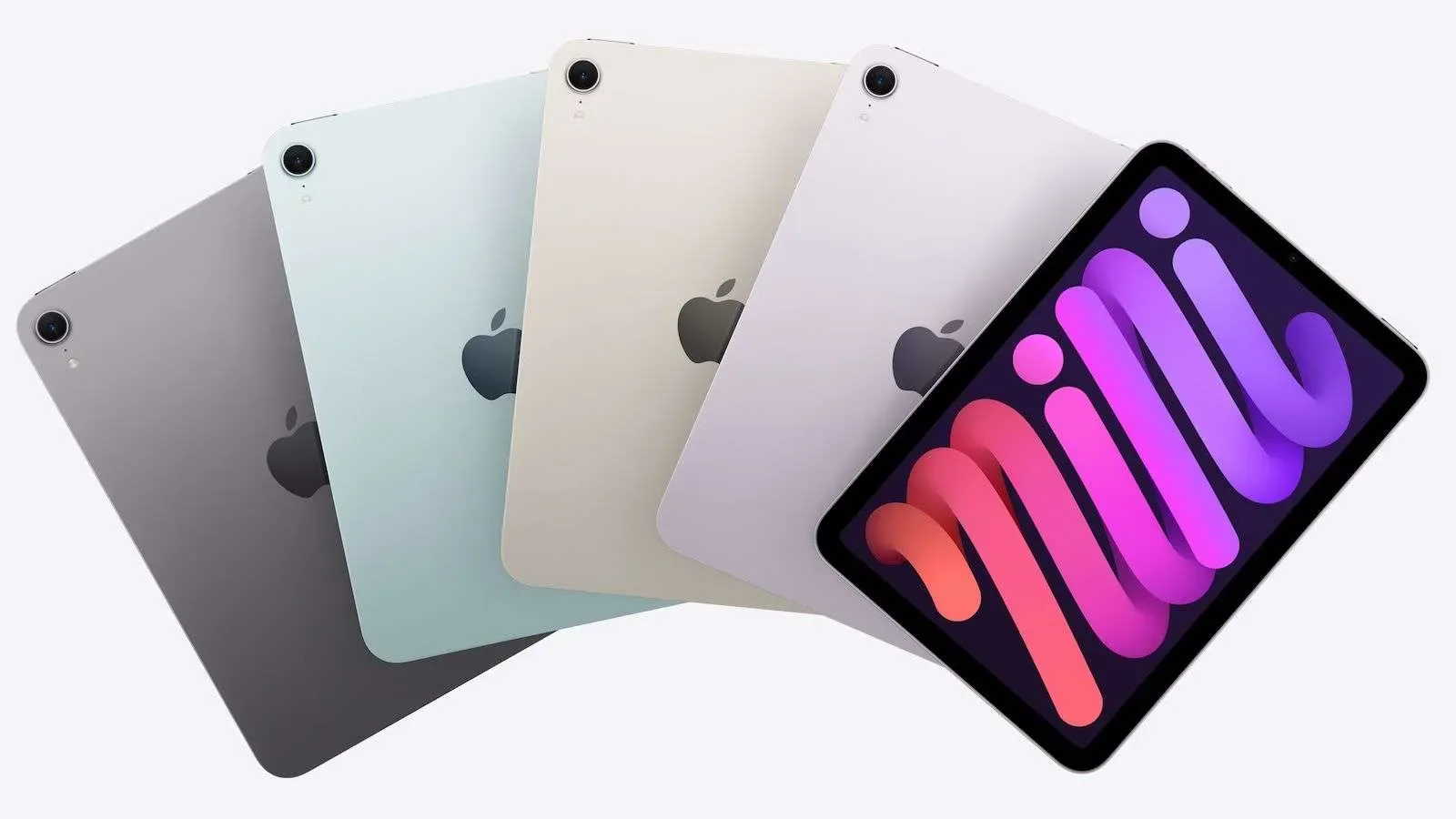
There are also whispers regarding a slight adjustments to the tablet’s physical footprint. Some supply chain rumors suggest that by shrinking the bezels around the display, Apple may be able to fit a slightly larger screen into a chassis that remains virtually identical in hand-feel to the previous generation. While the exact physical dimensions and weight of the device have not been officially confirmed, the design philosophy remains centered on preserving the lightweight, single-handed usability that defines the "Mini" brand.
This influx of premium technology, however, raises important questions regarding the device’s market positioning and pricing structure. Historically, the iPad Mini was viewed as an entry-level or mid-tier option. That perception began to change with the redesign of the iPad Mini 6, and the trend toward premium pricing became even more evident when Apple adjusted the starting price of the current iPad Mini model from $499 to $599.
Integrating a high-cost OLED display, a cutting-edge A20 Pro processor, and a highly engineered, water-resistant chassis will undoubtedly drive up manufacturing costs. As a result, industry analysts warn that consumers should prepare for the possibility of another price increase, potentially pushing the iPad Mini 8 closer to the price point of the iPad Air or even the lower-tier iPad Pro models.
Despite the potential for a higher price tag, the sheer density of technological innovation rumored for the iPad Mini 8 is generating significant excitement. Renowned Apple analyst Mark Gurman has indicated that Apple aims to bring this next-generation compact tablet to market by the end of October. This timeline fits perfectly within Apple’s historical precedent of hosting secondary hardware events in the autumn to showcase new Macs and iPads after the primary iPhone launch in September.
With these rumored updates, Apple appears determined to solidify the iPad Mini’s status not just as a smaller tablet, but as a uncompromising, pocket-sized powerhouse capable of handling demanding professional workflows, high-end gaming, and next-generation AI tasks.