The culinary community and home baking enthusiasts have a fresh centerpiece for their recipe collections this season, courtesy of food creator Hilal Kotanoğlu. A newly published recipe for the beloved Turkish treat, the "Browni Kurabiye"—known for its distinct texture that bridges the gap between a rich chocolate brownie and a traditional moist cookie—has captured widespread attention across digital recipe platforms. Released in October 2026, the recipe outlines the precise combination of dough preparation, a signature sweet syrup, and finishing touches designed to achieve the ultimate dessert experience.
In Turkish baking traditions, sweet cookies occupy a cherished space, often served during afternoon gatherings, special occasions, or as a comforting companion to Turkish coffee and tea. The Browni Kurabiye variant has grown exceptionally popular over recent years due to its dual-nature texture. While traditional cookies tend toward a crumbly or crisp finish, the Browni Kurabiye achieves its renown through a specific method of soaking baked morsels in a warm syrup, infusing the interior with moisture while maintaining a delicate outer crust. Kotanoğlu’s latest publication on the mainstream recipe network Nefis Yemek Tarifleri brings renewed focus to this modern classic, detailing the exact structural components required for success.
According to the documentation provided by the author, the preparation of the dish is divided into three distinct culinary phases: the core dough mixture, the balancing syrup, and the final presentation elements. While exact measurement metrics remain flexible within traditional domestic cooking circles, the architectural approach to the recipe demands precision. The dough forms the foundation, requiring a harmonious blend of standard baking fats, sweeteners, binders, and rich cocoa components to establish deep chocolate notes before the baking process even begins.
Following the initial baking phase in a controlled oven environment, the defining characteristic of the Browni Kurabiye takes place. The syrup—typically a simple yet carefully proportioned mixture of liquids and sweeteners—is applied to the warm cookies. This crucial step requires exact timing to ensure the pastry absorbs the liquid without losing structural integrity. Master bakers often emphasize that the temperature differential between the freshly baked cookies and the syrup dictates the final success of the moisture distribution, transforming a standard chocolate biscuit into a dense, fudge-like delicacy reminiscent of traditional American brownies presented in bite-sized portions.

The final phase centers on the visual and textural presentation of the cookies. Once the syrup has integrated fully into the pastry, various traditional garnishes are applied to the exterior. Common finishing touches within Turkish culinary practices include finely chopped pistachios, grated coconut, or modest dustings of powdered sugar, which provide a visual contrast to the dark chocolate exterior and add subtle textural variations to each bite.
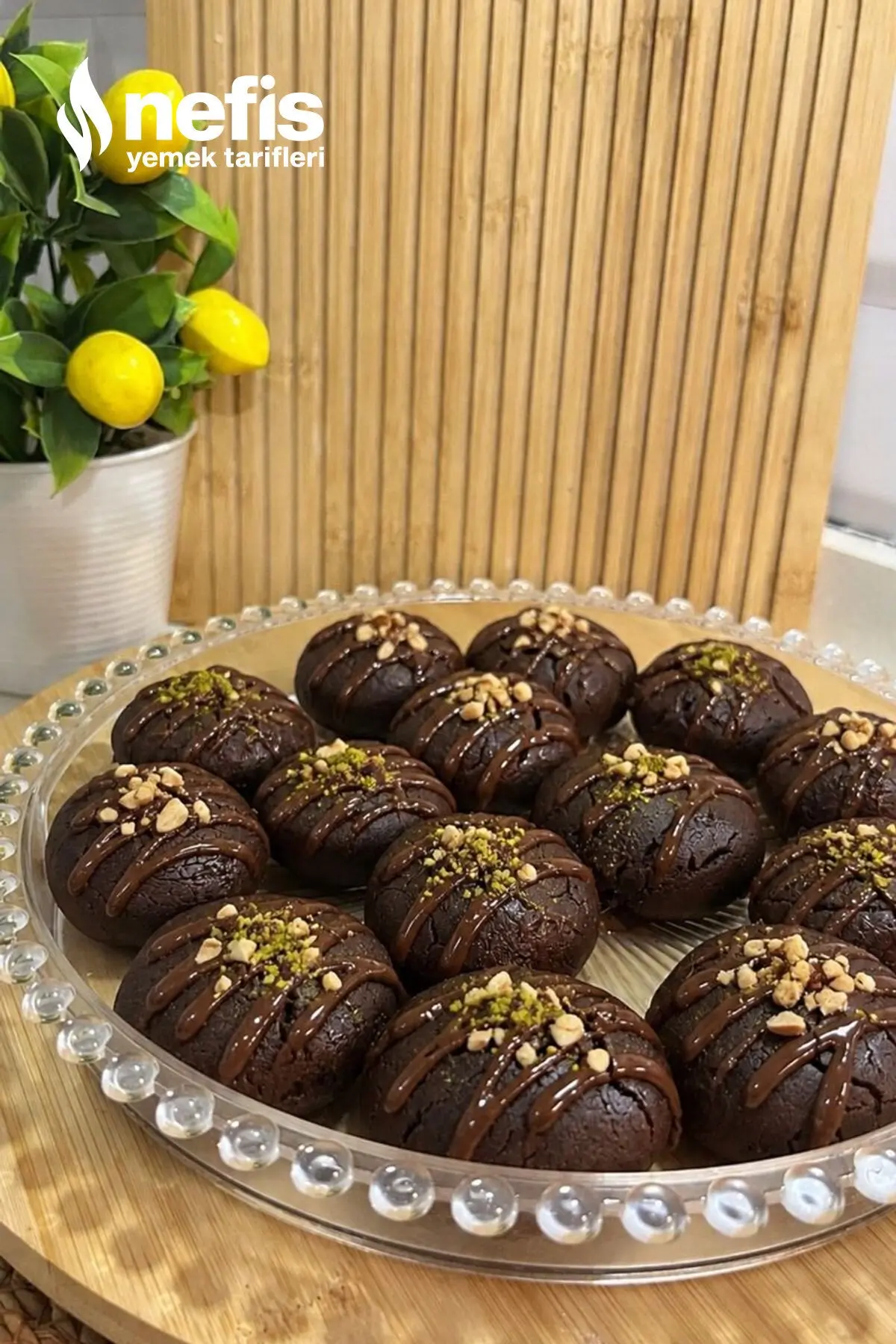
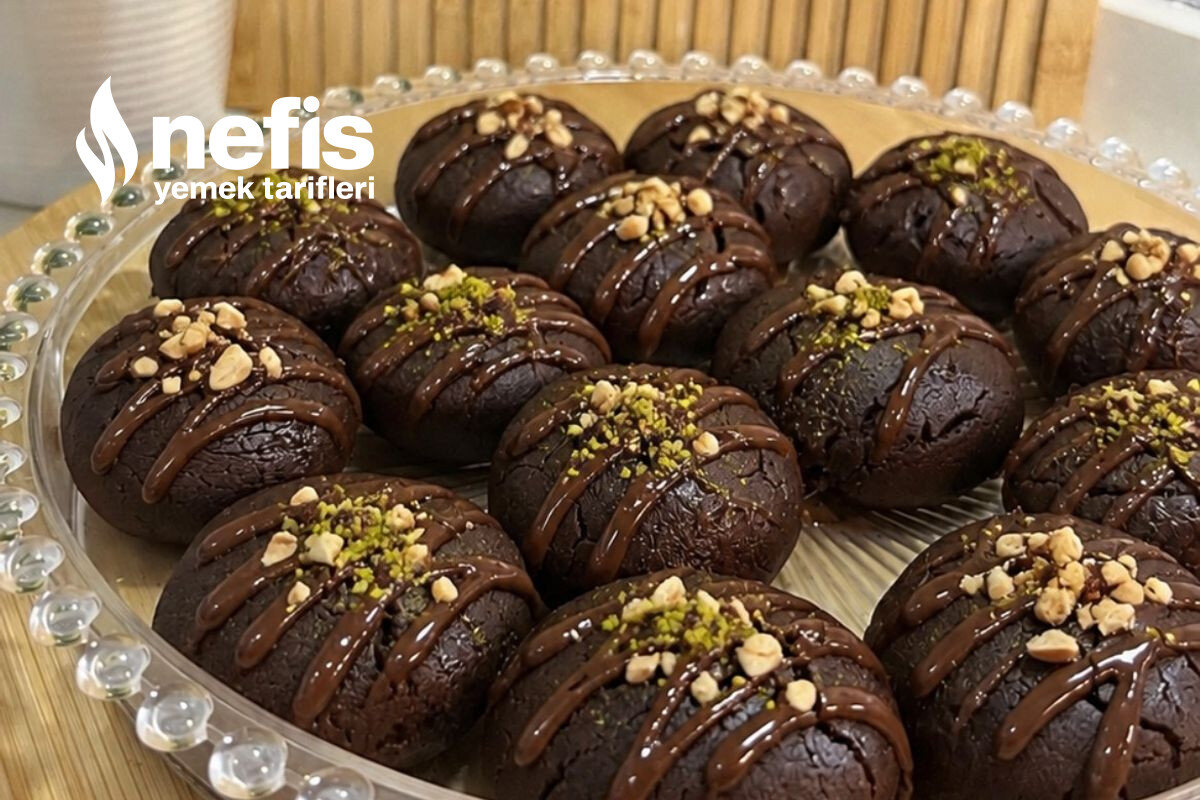
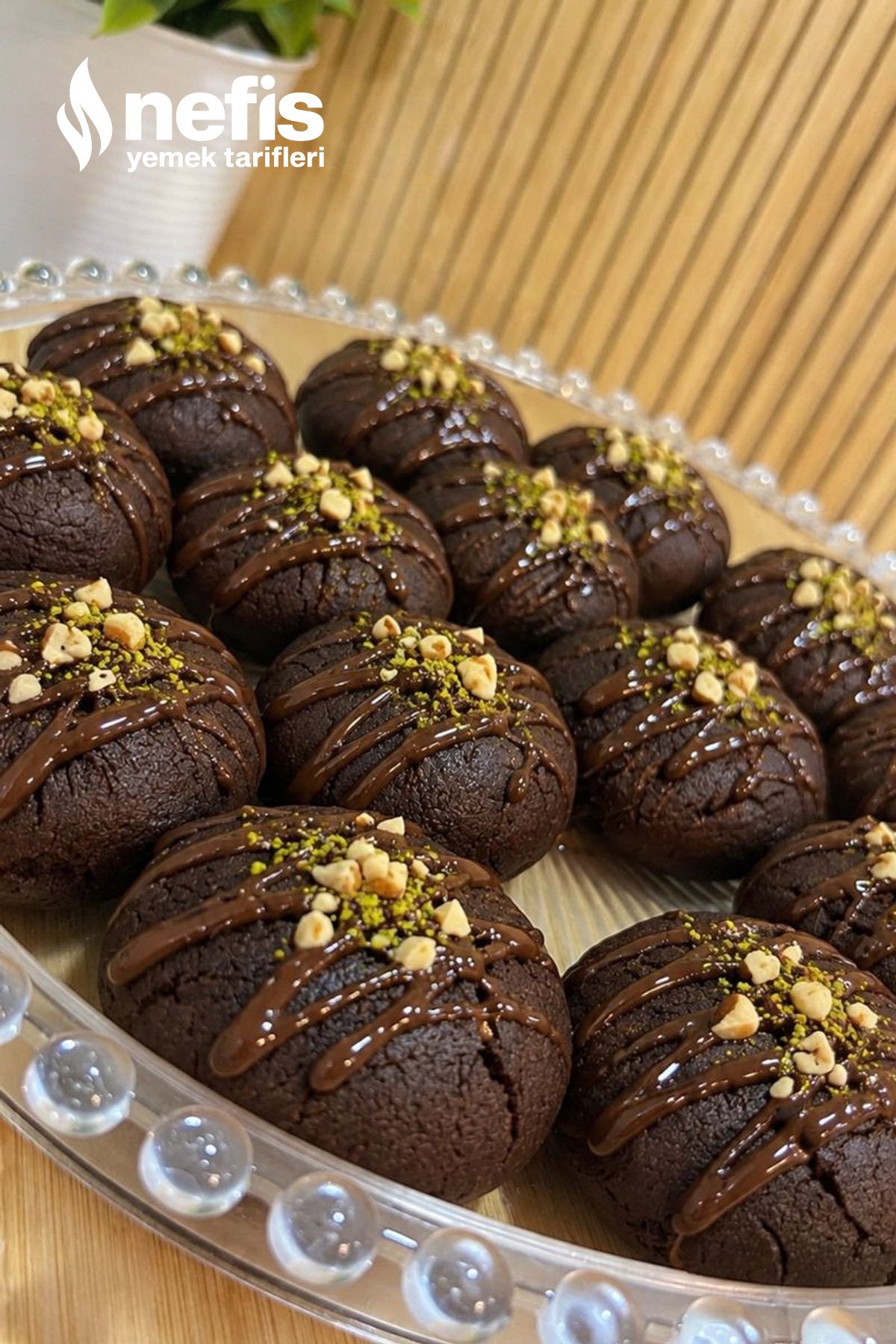
Visual documentation accompanying the release showcases the desired outcome of the process: glossy, uniformly shaped cookies with a rich dark hue, demonstrating the characteristic crackled surface texture that signals a successful balance of moisture and baking time. Food photographers and early adopters of the recipe have begun sharing their visual results across community galleries linked to the publication, reflecting a high level of engagement among home cooks eager to replicate the results in their own kitchens.
As digital recipe repositories continue to evolve as primary sources for modern culinary traditions, detailed contributions from creators like Kotanoğlu highlight the enduring appeal of comfort desserts. The Browni Kurabiye remains a testament to how traditional baking techniques can be adapted to create innovative textures that resonate across generations of pastry lovers. Whether prepared for festive family gatherings or quiet weekend afternoons, the recipe provides a comprehensive framework for achieving professional-grade results in a home environment.