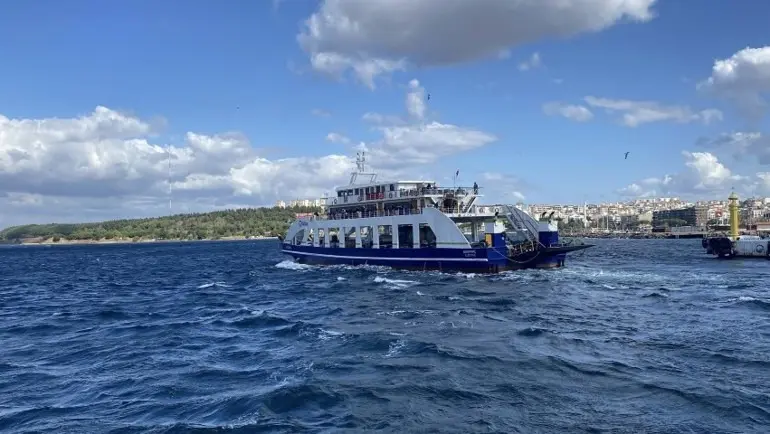
ÇANAKKALE, Turkey — Severe weather conditions sweeping across the northern region of the Aegean Sea have severely disrupted maritime transport, forcing local marine authorities to ground passenger and vehicle ferry services connecting the Turkish mainland with the offshore islands of Gökçeada and Bozcaada.
GESTAŞ,
the primary maritime transport operator responsible for managing ferry links across the Çanakkale Strait and the surrounding island routes, announced that all scheduled sailings for the affected island lines have been canceled due to an intensifying gale-force storm in the Northern Aegean.
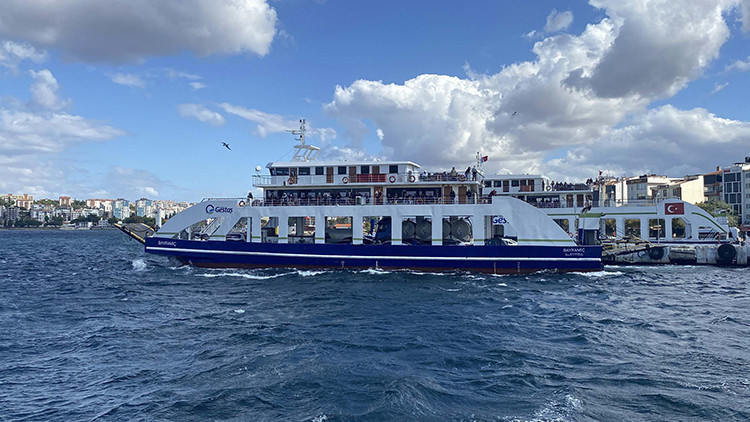
The decision impacts two of the region’s most critical maritime corridors: the Kabatepe–Gökçeada line and the Geyikli–Bozcaada line. Officials cited escalating sea state parameters, hazardous swell heights, and high wind velocities as the primary reasons for suspending services, prioritizing the safety of passengers, crew members, and vessels.
Adverse Weather Forces Full Suspension of Island Sailings
The regional weather system, which gathered strength over the northern expanse of the Aegean Sea, brought strong gales and rough seas to the coastal waters of Çanakkale province. In response to official marine weather advisories and real-time observations along the coast, GESTAŞ issued a comprehensive operational alert confirming that ferry services between the mainland ports and the islands would be completely halted.
According to the official announcement, all scheduled ferry trips between Kabatepe, located on the Gallipoli Peninsula, and Gökçeada have been called off. Concurrently, all planned sailings on the southern route connecting the mainland port of Geyikli in Ezine district to the island of Bozcaada have also been canceled for the entire operational day.
Maritime operations in the Northern Aegean are notoriously sensitive to sudden seasonal storm systems. The open sea corridors between mainland Çanakkale and the offshore islands leave ferry vessels exposed to heavy crosswinds and steep wave troughs. GESTAŞ traffic management authorities confirmed that normal service schedules will remain suspended until weather conditions deteriorate no further and sea conditions stabilize to levels deemed safe for heavy vessel transit and harbor docking procedures.
Strategic Island Lifelines and Regional Geography
The canceled routes serve as the primary lifeline for both Gökçeada and Bozcaada, two major Turkish islands situated in the northeastern Aegean Sea near the mouth of the Dardanelles (Çanakkale Strait). Because neither island possesses direct bridge connections or commercial airport services for daily transit, ferry routes operated by GESTAŞ represent the sole practical link for vehicle transport, commercial distribution, public commuting, and emergency medical evacuations.
Gökçeada, recognized as Turkey’s largest island by land area, lies approximately 14 nautical miles off the western coast of the Gallipoli Peninsula. The island relies almost exclusively on the mainland port of Kabatepe for its daily logistics. Under normal operating conditions, multiple ferry crossings run back and forth daily, carrying passenger cars, heavy freight trucks, postal delivery vehicles, and essential provisions. When heavy storms force the cancellation of the Kabatepe–Gökçeada run, the island is effectively isolated from mainland road networks, necessitating careful resource management by local municipal authorities and residents alike.

To the south, Bozcaada presents a similar logistical dependency. Situated just off the coast of the Ezine district of Çanakkale, Bozcaada is connected to the mainland via the port of Geyikli. Although the nautical distance between Geyikli and Bozcaada is shorter than that of the Gökçeada crossing, the local marine geography renders the channel susceptible to severe sea spray, localized swells, and dangerous harbor entrance turbulence during Aegean storms. The cancellation of the Geyikli–Bozcaada ferry line pauses all vehicular movement into and out of the island, interrupting both local daily traffic and commercial deliveries.
Maritime Safety Protocols and Weather Dynamics
The Northern Aegean Sea frequently experiences challenging weather patterns, particularly when strong northern and northeastern winds sweep down from the Black Sea through the Turkish Straits, or when southern Lodos gales drive heavy seas northward into the narrow bays of Çanakkale. These atmospheric shifts create hazardous conditions for roll-on/roll-off (Ro-Ro) passenger ferries, which feature high lateral surface areas that make them especially sensitive to strong wind loads during navigation and berthing maneuvers.
Safety regulations governing maritime passenger transport in Turkey mandate strict operating thresholds. Ferry operators must closely monitor real-time wind speed meters, wave height gauges, and forecasts supplied by the Turkish State Meteorological Service and regional harbor master offices. When sustained wind speeds and sea swell predictions cross safety margins, regional operators such as GESTAŞ are required to initiate preemptive cancellations rather than risk vessel instability or compromised control during docking procedures at open-water piers.

Docking at both Kabatepe and Geyikli—as well as the respective island ports of Kuzu Limanı on Gökçeada and Bozcaada Harbor—requires precision maneuvering. High winds create lateral drift that can make securing a heavy passenger vessel to mainland and island ramps extremely dangerous. Hazardous conditions can cause structural damage to piers, vessels, and passenger ramp systems, or lead to vehicle shifting aboard vessel car decks during rough transit.
Impact on Commuters, Local Commerce, and Island Logistics
The sudden suspension of ferry operations invariably ripples across the economic and daily life of both island communities. Local residents, emergency personnel, delivery drivers, and visitors stranded on either side of the Aegean channels must modify their travel schedules until maritime conditions clear.
Commercial supply chains are particularly sensitive to ferry disruptions. Daily shipments of fresh foodstuffs, dairy products, commercial freight, construction materials, and fuel supplies rely entirely on the continuous operation of GESTAŞ vessels. When weather forces a full-day shutdown, freight operators must hold trucks at mainland staging areas near Geyikli and Kabatepe, waiting for the maritime authority to issue clear sailing clearances.

Local authorities in Gökçeada and Bozcaada routinely maintain contingency plans for weather-related maritime closures, maintaining stockpiles of critical commodities and arranging emergency medical transport protocols in coordination with coast guard authorities if extreme medical situations arise while commercial ferries are grounded.
Passengers planning travel across the Çanakkale Strait and island networks are advised to monitor official GESTAŞ communication channels, including online announcement portals, customer service helplines, and digital signage at regional port terminals, for real-time updates regarding service resumption. GESTAŞ has confirmed that once meteorological conditions return to safe operational parameters, additional or adjusted ferry trips may be scheduled to clear backlogged passenger traffic and freight transport across the affected routes.