

The landscape of Southern Lebanon, a region long defined by its rolling hills, ancient olive groves, and resilient communities, is currently grappling with a secondary crisis that persists even when the roar of heavy artillery subsides. While the international community often focuses on the diplomatic maneuvers surrounding ceasefire agreements and the high-level military movements along the border, a more insidious and silent threat remains embedded in the soil. Following the recent and intense cycles of conflict, the greatest danger facing the local population is no longer just the immediate exchange of fire, but the lethal legacy of abandoned ammunition and unexploded military objects that litter the countryside.
The recent history of Southern Lebanon has been marked by a devastating series of artillery barrages and aerial bombardments conducted by the Israeli military. While these operations are periodically halted through official channels or the temporary implementation of ceasefire protocols, the reality for the civilian population is that the conclusion of active hostilities often marks the beginning of a new, more unpredictable chapter of danger. For those attempting to return to their homes or tend to their fields, the ground itself has become a minefield of "duds"—munitions that failed to detonate upon impact but remain live and extremely volatile. A tragic incident recently recorded in a southern residential area has once again brought the sheer scale of this humanitarian challenge into sharp focus, serving as a grim reminder that the echoes of war continue to claim victims long after the guns fall silent.
Security Crisis in the Shadow of the Ceasefire in Lebanon
The security situation in the southern districts of Lebanon remains precarious, characterized by a fragile peace that is constantly threatened by the physical remnants of modern warfare. Even as talk of de-escalation and diplomatic frameworks dominates the news cycle, the local inhabitants are forced to navigate a landscape where the front lines have shifted from active combat zones to hazardous obstacle courses. The presence of unexploded ordnance (UXO) has created a chronic state of emergency, hindering the return of displaced families and paralyzing the local economy, which is heavily dependent on agriculture.
In many parts of the south, the rhythm of daily life is dictated by the fear of the unknown. Children walking to school, farmers tilling their ancestral lands, and construction workers attempting to repair damaged infrastructure all operate under the shadow of potential tragedy. The Israeli military’s extensive use of heavy ordnance during the height of the clashes has left behind a density of unexploded material that local authorities struggle to manage. These objects, often obscured by debris or buried slightly beneath the surface of the earth, can remain dormant for weeks, months, or even years, only to be triggered by the slightest vibration or a change in temperature.
This ongoing crisis is not merely a logistical hurdle for the Lebanese state; it is a profound violation of the safety and dignity of the civilian population. The transition from a state of active war to a state of post-conflict recovery is stalled by these "silent killers." Every time an unexploded shell is discovered in a backyard or a cluster munition is found hanging from an olive tree, the psychological trauma of the conflict is renewed. The sense of security that a ceasefire is supposed to provide remains elusive for those living in the south, as the very ground they walk on continues to harbor the potential for lethal violence.
Two Injured as Suspicious Object Detonates
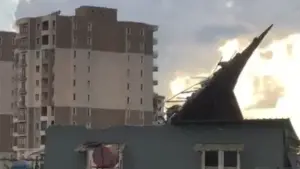
The gravity of this persistent threat was underscored by a recent explosion in a southern residential community, which resulted in significant casualties and property damage. According to the latest field reports and information gathered by local security observers, two civilians were seriously injured when a suspicious object, believed to be a remnant from previous military engagements, detonated unexpectedly. The incident occurred in an area that had seen heavy activity during the recent exchanges of fire between Israeli forces and local groups, highlighting the extreme risk present in zones that were once active targets.
Immediately following the blast, emergency medical teams were dispatched to the scene. The two victims, whose identities have been withheld pending notification of their families, were found with various degrees of shrapnel wounds and blast-related injuries. They were stabilized on-site before being rushed to the nearest hospital for emergency surgery and intensive care. While medical professionals are working to ensure their recovery, the incident has sent shockwaves through the local community, serving as a visceral example of how quickly a mundane afternoon can turn into a life-altering tragedy.
Local authorities and security officials arrived shortly after the medical teams to cordoned off the area. Preliminary investigations indicate that the explosion was caused by an item of unexploded ordnance that had been disturbed, though the specific type of munition is still being determined by ballistics experts. The force of the blast was sufficient to cause structural damage to nearby buildings and shatter windows, illustrating the high explosive yield of the munitions being utilized in the region. An official investigation has been launched to map the surrounding area for further hazards, but the incident has already left the local population on edge, questioning the safety of their surroundings even during periods of relative calm.
War Remnants and the Hidden Threat to Civilians
One of the most tragic and enduring aspects of modern warfare is the failure rate of the munitions deployed. Whether it is artillery shells, mortar rounds, or air-dropped bombs, a significant percentage of military hardware does not function as intended upon impact. These "duds" do not simply disappear; they become permanent fixtures of the landscape, transforming into improvised landmines that wait for an unsuspecting victim. Experts in humanitarian demining point out that this is not a rare occurrence but a systemic byproduct of high-intensity conflict. In the context of Southern Lebanon, where the density of fire has been particularly high, the number of unexploded objects is estimated to be in the thousands.
This situation creates a catastrophic risk for rural populations, particularly those living in the agricultural heartlands of the south. For many Lebanese families, their land is their only source of income. The necessity of harvesting crops or grazing livestock often forces them into areas that have not yet been cleared by professional demining teams. The dilemma is agonizing: risk the danger of an explosion to feed one’s family, or face economic ruin by abandoning the fields. This "hidden threat" effectively robs the community of its livelihood and prevents the region from achieving any semblance of economic stability.
The process of clearing war remnants is an arduous, expensive, and technically demanding endeavor. It requires specialized equipment, such as ground-penetrating radar and armored excavators, as well as highly trained personnel who must meticulously sweep every square meter of land. In Lebanon, this task is complicated by the rugged terrain and the variety of munitions used. Furthermore, the "technical and financial infrastructure" required for such a massive cleanup is often beyond the immediate reach of local government agencies, which are already stretched thin by the country’s broader economic challenges. Without significant international intervention and sustained technical support, the task of making Southern Lebanon safe again could take decades.
Key Concerns Highlighted by Security Experts:
International humanitarian organizations and local civil defense units have been working tirelessly to raise awareness among the civilian population. They conduct workshops, distribute educational materials, and use social media to teach people—especially children—how to recognize the signs of unexploded ordnance and what to do if they encounter a suspicious object. However, the high level of military movement in the region and the constant shifting of conflict zones make these educational efforts difficult to implement effectively.
Security experts emphasize that the safety of civilians cannot be guaranteed by awareness alone. There is a pressing need for the international community to step up its involvement, not just in terms of political mediation, but through the provision of direct technical assistance for mine clearance. This includes sharing maps of targeted areas, providing advanced detection technology, and funding the deployment of international demining teams. Until a comprehensive and well-funded clearance operation is established, the people of Southern Lebanon will continue to live in a state of "perpetual risk," where the simple act of walking through a field can have fatal consequences.
Frequently Asked Questions
What caused the recent explosion in Southern Lebanon?
The explosion was caused by the detonation of a suspicious military object, identified as unexploded ordnance (UXO). These are munitions, such as shells or bombs, that were fired during previous clashes but failed to explode on impact. They remain live and highly dangerous until they are professionally neutralized.
How many people were affected by this specific incident?
According to official reports, two civilians were injured in the blast. They were treated by emergency medical services and transported to a nearby hospital for further medical care. The explosion also caused material damage to the surrounding residential infrastructure.
Why are these dangers so prevalent in Southern Lebanon?
The prevalence of these hazards is a direct result of the long-standing military conflict in the region. The intensive use of artillery and airstrikes by the Israeli military has left a vast amount of unexploded material across the landscape. Because Southern Lebanon is a primary theater for these engagements, the accumulation of war remnants has become a chronic and widespread threat to public safety.
The ongoing situation in Southern Lebanon serves as a stark reminder that the impact of war is not measured only in the duration of the battles, but in the years of danger that follow. As the two injured civilians begin their recovery, the broader community remains trapped in a cycle of vigilance and fear, waiting for the day when their land is finally free from the lethal debris of past conflicts.