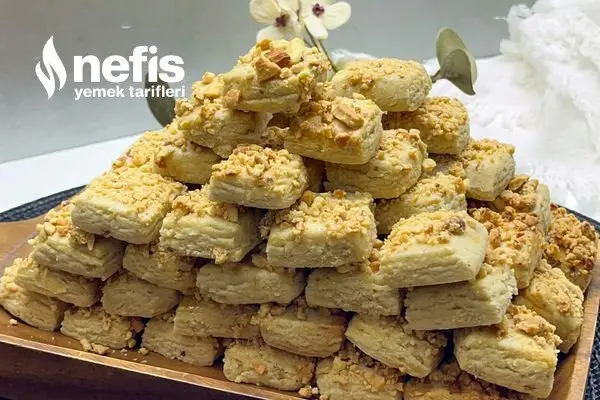
The digital culinary landscape continues to evolve as platforms that connect home cooks with tested recipes see high volumes of engagement. Among the prominent developments in online food sharing, the recipe for "Tahinli Kıyır Kurabiye," contributed by Gülten Bayazıt to the popular Turkish recipe platform Nefis Yemek Tarifleri, has drawn significant attention from users looking for traditional yet distinct pastry options.
Published officially within the platform’s database, the recipe highlights the ongoing popularity of tahini-based baked goods within contemporary home kitchens. Platforms like Nefis Yemek Tarifleri, known for serving as a comprehensive repository for everyday cooking and baking inspiration, frequently feature user-submitted creations that resonate with culinary enthusiasts seeking accessible, flavorful, and reliable dishes.
The recipe, categorized broadly under traditional Turkish cookie varieties, emphasizes a crumbly texture achieved through specific ingredient combinations characteristic of regional baking traditions. Tahini, a paste made from toasted sesame seeds, has long been a staple in Middle Eastern and Turkish gastronomy, prized for its rich, nutty flavor profile and versatile application in both sweet and savory preparations. In recent years, its integration into cookie doughs has become increasingly favored by home bakers aiming to introduce depth and a distinct aroma to standard pastry recipes.
According to platform metadata and publishing logs, the recipe was initially introduced to the site’s growing database, capturing the interest of digital cooks who frequently save and organize user-generated content into personal recipe digital notebooks. The interactive nature of such platforms allows users to not only access detailed lists of ingredients and preparatory guidelines but also to engage with the community by sharing photographs of their finished culinary attempts, exchanging feedback, and documenting adaptations made to suit individual household preferences.
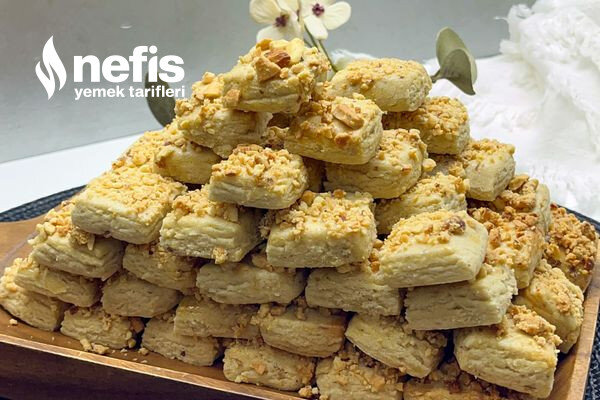
The emergence of recipes like Gülten Bayazıt’s tahini-infused pastry reflects broader trends in digital food media, where home cooks increasingly rely on peer-reviewed platforms rather than traditional print media for daily meal planning and baking projects. As these online spaces continue to update their technological infrastructure—introducing features such as cleaner reading interfaces, enhanced search optimization preferences, and ad-free viewing options—the accessibility of culturally significant recipes is streamlined for a wider audience.
Food culture analysts note that traditional cookies, particularly those utilizing pantry staples like tahini, butter, flour, and sugar, offer a sense of comfort and nostalgia that appeals to contemporary consumers. These recipes often bridge the gap between generational cooking techniques and modern digital sharing habits, ensuring that regional flavor profiles remain active in daily domestic life.
As the digital archive on Nefis Yemek Tarifleri expands, contributions from community members remain central to the platform’s daily traffic and user engagement. The ongoing interest in the tahini-based cookie underscores the enduring appeal of simple, well-crafted baked goods within the digital ecosystem, signaling that traditional flavors will continue to find a prominent place in modern online recipe repositories.