
Deep frying has long held a cherished position across global culinary traditions, serving as a versatile cooking method capable of transforming humble doughs, garden vegetables, meats, and seafood into dishes defined by contrasting textures and concentrated flavours. Whether producing the crackling golden crust of a savoury Turkish pastry or the airy, gossamer sheath of Japanese-style battered vegetables, frying remains one of the most accessible and celebrated techniques in home and restaurant cooking alike. A curated selection of ten distinct fried preparations—ranging from regional Anatolian pastries and historical street specialities to pan-fried poultry and coastal seafood—illustrates the extensive breadth and dynamic appeal of this time-honoured culinary craft.
At its essence, successful frying hinges on the interaction between extreme heat, moisture control, and precise timing. When food encounters hot oil, surface moisture vaporises almost instantaneously, creating a barrier that seals the exterior and prevents excess oil absorption while allowing the interior to steam gently within its own juices. The resulting interplay between a crisp exterior and a tender, moist core forms the unifying appeal of the ten diverse recipes highlighted below, each contributing unique regional heritage and culinary ingenuity to everyday dining and celebratory gatherings.
Yağ Mantısı: Kayseri’s Golden Stuffed Dumpling
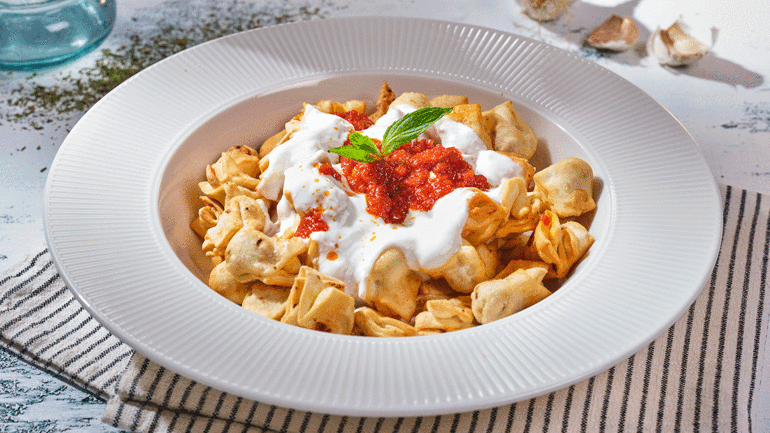
Originating from the central Anatolian province of Kayseri, renowned for its rich heritage of dough craftsmanship, yağ mantısı presents an indulgent departure from conventional boiled dumplings. While standard Turkish mantı is diminutive and gently poached in broth or water, this variation relies on deep frying to achieve its characteristic presence.

The dish features a pliable yeast dough rolled to an ideal thickness, encasing a savoury, seasoned ground meat filling that retains its natural moisture during cooking. When immersed in well-heated oil, the dumplings puff slightly, developing a deep golden, blistered shell that yields crisp resistance with every bite. The contrast between the crunchy exterior and the juicy, spiced interior is central to the dish’s enduring appeal. Once lifted from the oil and drained, yağ mantısı is traditionally assembled on a serving platter beneath a generous veil of cool garlic yoghurt and finished with a hot, aromatic tomato paste sauce infused with butter, presenting a vibrant balance of rich, tangy, and savoury notes.
Çi Börek: The Heritage of Paper-Thin Dough and Juicy Mince
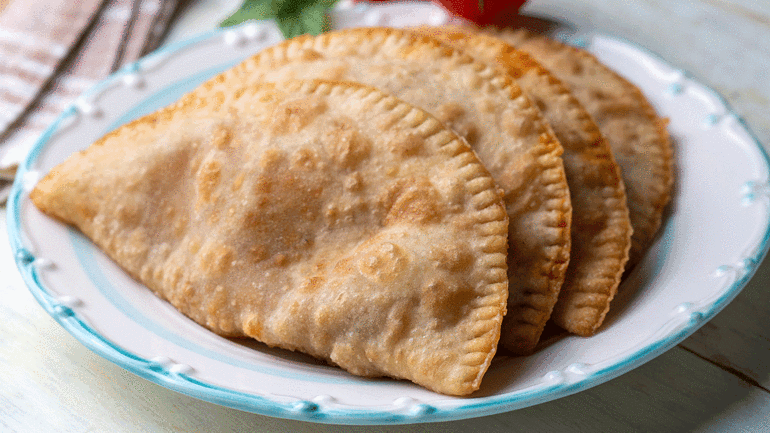
Deeply intertwined with Crimean Tatar heritage and widely celebrated across Turkish culinary culture, çi börek is an exercise in minimalism and frying precision. The dough is rolled extraordinarily thin before being filled with a seasoned, raw minced meat mixture that incorporates sufficient moisture—often fine grated onion juice and water—to create a distinctively juicy filling.

Folded into characteristic half-moon shapes and carefully sealed, the pastry is slipped into intensely hot oil, where it requires only moments to transform. The moisture sealed inside turns rapidly to steam, causing the pastry to billow and blister into a crisp, delicate envelope while cooking the meat to tender perfection. The exterior emerges pale gold and exceedingly light, ensuring that the finished pastry feels airy rather than heavy. Served piping hot directly from the pan, çi börek remains an indispensable fixture of casual afternoon dining and communal gatherings.
Paçanga Böreği: A Modern Classic of Anatolian Flavours
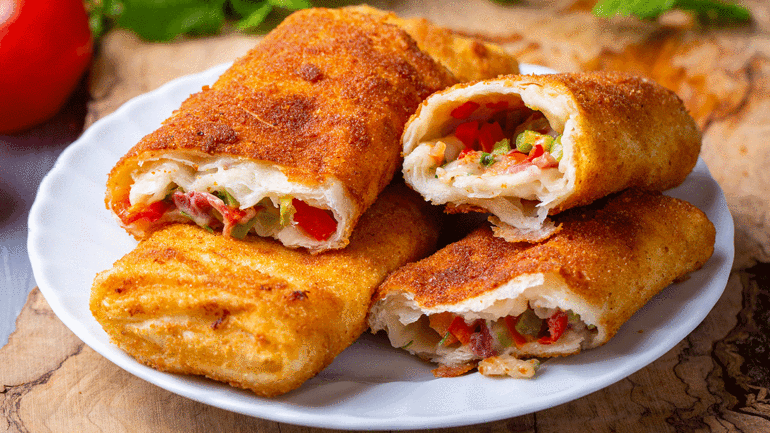
Among the most enduring hot appetisers featured on banquet spreads and restaurant menus, paçanga böreği combines robust, traditional charcuterie with creamy cheese in a crisp pastry casing. Central to its identity is pastırma, the air-dried, cured beef seasoned with fenugreek, garlic, and spices that imparts intense savoury depth.

In paçanga böreği, finely chopped or sliced pastırma is paired with mild, melting kaşar cheese and balanced with the addition of fresh diced tomatoes and green peppers. These fresh components release gentle moisture during cooking, tempering the cured beef’s boldness and creating a luscious, molten interior. Rolled tightly in thin yufka pastry and coated in breadcrumbs to form a pronounced pane crust, the börek is fried until its outer layer shatters upon contact. The interplay between the crunchy pane coating, the yielding pastry, and the stretch of melted cheese makes it a consistent favourite for dinner parties and celebratory spreads.
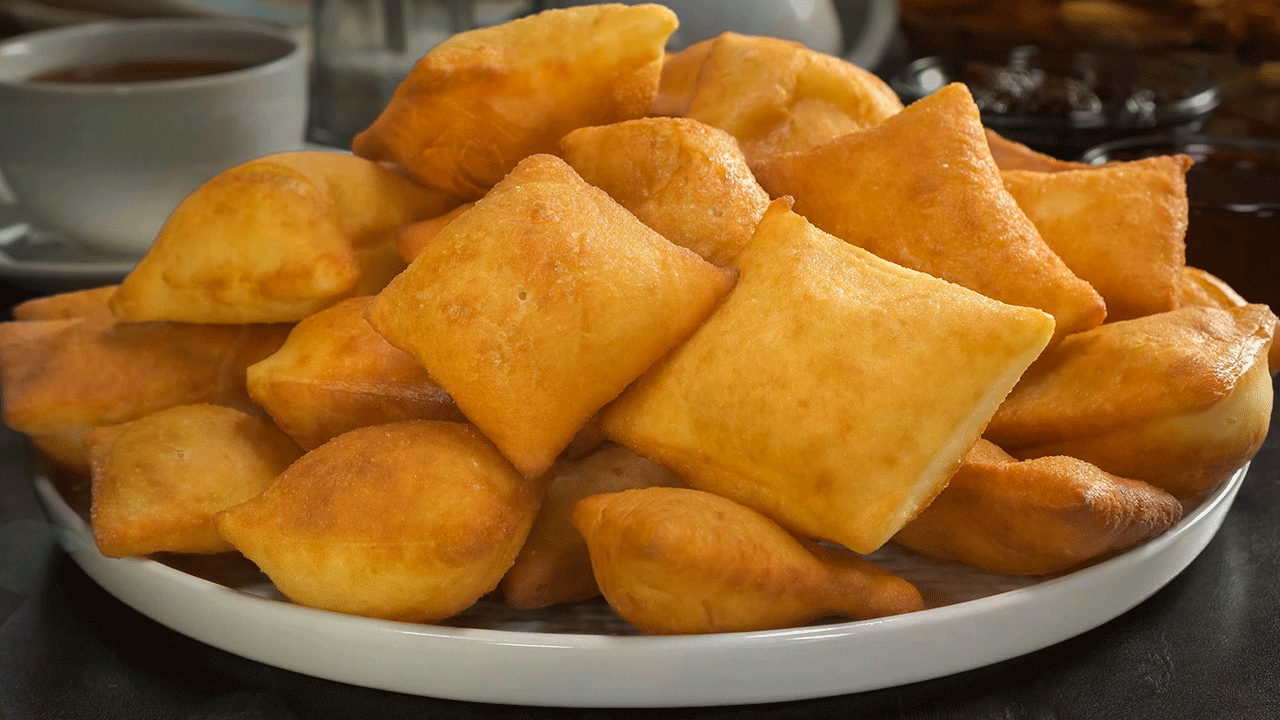
Karbonatlı Pişi: The Rapid Solution for Fresh Breakfast Baking
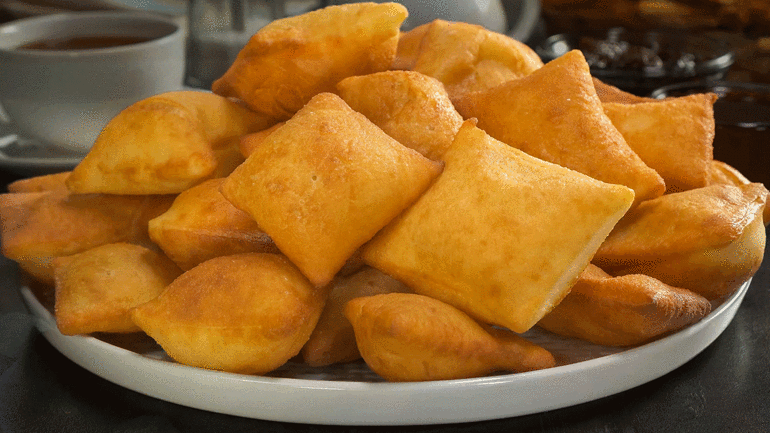
While many regional fried breads rely on hours of fermentation, karbonatlı pişi offers an efficient and immensely practical alternative for spontaneous breakfasts and unexpected guests. By substituting chemical leavening—specifically baking soda—for biological yeast, this dough requires virtually no resting or fermentation period, moving from mixing bowl to hot oil within minutes.
The reaction between the baking soda and the dough components causes the rounds to inflate instantly upon meeting the hot fat, producing an exterior that is lightly golden and crisp while preserving an interior that remains exceptionally tender, soft, and pillowy. Because it cooks so rapidly, the pişi absorbs minimal oil, resulting in a clean, satisfying bread that pairs effortlessly with sweet preserves, honeycomb, fresh white cheeses, and strong black tea. Its simplicity makes it an enduring household staple across morning tables.
Edirne Tava Ciğeri: The Epitome of Flash Frying
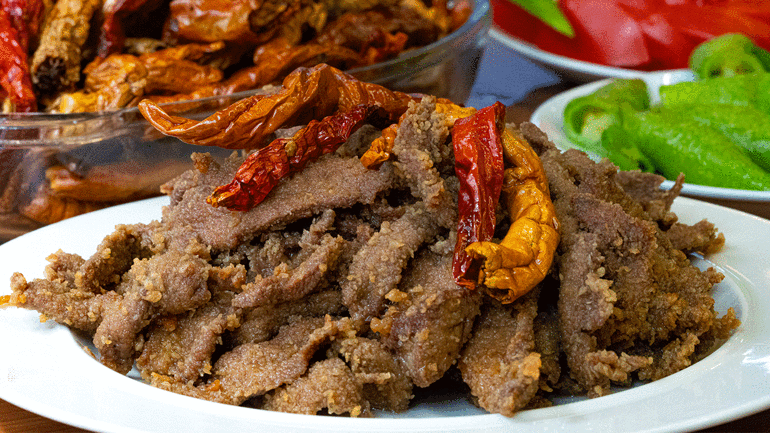
In the northwestern border city of Edirne, pan-fried liver—known regionally as tava ciğeri—has ascended to the status of an internationally recognised culinary art form. The dish’s success rests entirely upon two pillars: meticulous butchery and lightning-fast cooking in blisteringly hot oil.
Fresh calf liver is cleaned meticulously of all veins and membranes before being sliced into gossamer, leaf-thin strips. The delicate ribbons are lightly dredged in plain flour, shaken thoroughly to eliminate any excess dusting, and submerged in deep, bubbling oil for no more than two minutes. This brief exposure creates an exceptionally thin, crisp crust while ensuring the liver remains remarkably tender, preventing the rubbery texture that plagues overcooked offal. Served immediately alongside dried, sun-cured Edirne red peppers that are flashed in the same hot fat until crisp, and accompanied by thinly sliced sumac onions and fresh greens, Edirne tava ciğeri provides a masterclass in thermal control and regional pride.
Tavuk Şinitzel: Achieving the Perfect Cutlet at Home
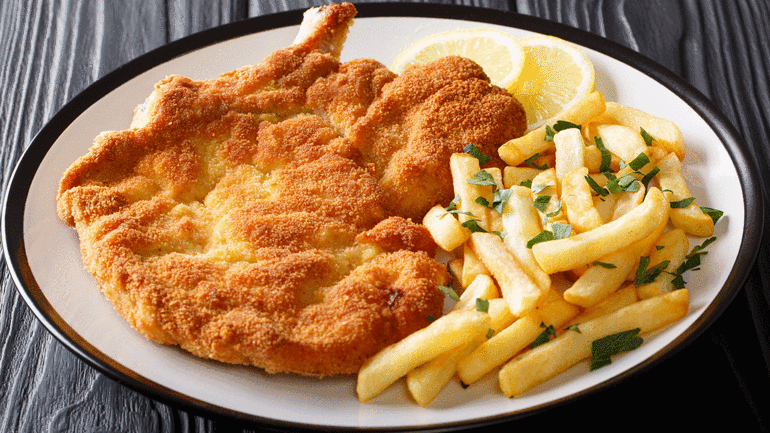
Chicken schnitzel remains a perennial household and restaurant favourite worldwide, cherished by diners of all generations for its straightforward charm and comforting textures. A well-executed chicken schnitzel relies on careful preparation to deliver a golden, textured shell that yields to tender, juicy poultry within.
Thinly butterflied or gently pounded chicken breast cutlets ensure rapid, uniform cooking throughout. Following the classic dredging sequence—seasoned flour, beaten egg, and fine breadcrumbs—the coated cutlets are shallow-fried in moderately hot fat until the pane achieves a vibrant golden hue. Prepared properly, the protective breadcrumb matrix crisps rapidly, sealing the meat’s natural moisture without allowing the delicate cutlet to dry out. The result is far superior to store-bought packaged alternatives, serving as a versatile canvas alongside fresh lemon wedges, potato sides, or light garden salads.
Kalamar Tava: Golden Rings with Tender Interiors
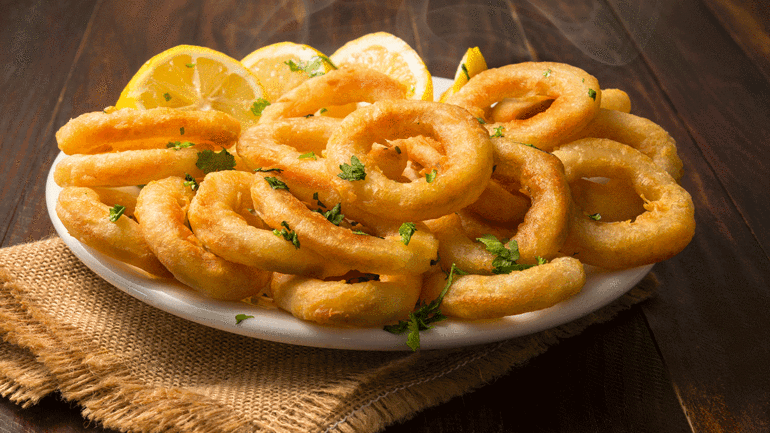
For seafood enthusiasts, calamari remains a benchmark by which seaside taverns and home cooks are frequently measured. The perpetual challenge of squid lies in its delicate protein structure, which can easily turn tough and rubbery if mishandled or fried without proper preparation.
Fresh squid is sliced into even rings and treated—frequently through a gentle marinade incorporating mineral water, milk, or a pinch of baking soda—to break down dense muscle fibres and lock in moisture. Once prepared, the rings are dredged lightly in seasoned flour and introduced to hot oil in carefully controlled batches. Frying must occur quickly; within two to three minutes, the coating crisps into a delicate, savoury crust while the squid inside remains supple and tender. Paired traditionally with thick walnut-garlic tarator sauce, lemon wedges, and fresh herbs, properly fried calamari offers an authentic taste of coastal dining traditions.
Tempura Patlıcan: A Lighter Approach to Earthy Aubergine
Aubergine holds an elevated place in Mediterranean and Middle Eastern cuisines, yet its sponge-like flesh can absorb significant quantities of oil when conventional frying methods are employed. Applying the Japanese tempura method introduces a transformative technique, rendering fried aubergine lighter, remarkably crisp, and visually enticing.
The vegetable is sliced cleanly and dipped into an ice-cold, minimally blended batter composed of light flour, cold water, and occasionally cornstarch or sparkling water. When dropped into hot frying oil, the dramatic thermal contrast between the icy batter and the searing fat causes instant steam generation, forming a delicate, lace-like pale coating rather than a dense breading. Within this protective casing, the aubergine steams gently, developing a creamy, velvety texture that contrasts vividly with the brittle tempura shell. Requiring few ingredients, tempura aubergine acts as both an elegant standalone appetiser and an elevated side dish for rich main courses.
Kabak Tempura: Crisp Summer Courgettes Reimagined
In a similar vein, courgettes lend themselves beautifully to the crisp elegance of tempura preparation, particularly when tender summer squashes are in abundance. Courgettes naturally possess high water content, which often leads to soggy results in heavy, conventional batters.
By slicing firm courgettes into slender rounds or batons and coating them in light, chilled tempura batter immediately before frying, the exterior sets within seconds of hitting the oil. The high temperature seals the surface, allowing the courgette inside to soften and sweeten in its own moisture without weeping water into the crust. The finished pieces emerge featherlight, golden, and exceptionally crisp, providing an accessible and elevated vegetable preparation that can be assembled in minutes using staple pantry goods.
Yoğurtlu Patates Kızartması: Reinvigorating a Familiar Favourite
Fried potatoes enjoy near-universal affection across culinary cultures, but when paired with cool, tart garnishes, the familiar side dish is transformed into a layered, standalone course. This traditional preparation bridges the gap between casual comfort food and balanced dining.
Fresh potatoes, sliced and fried until deeply golden and crisped at the edges, are transferred directly to a broad serving platter while hot. Rather than relying solely on dried salt or simple ketchup, the potatoes are generously dressed with cool garlic-infused strained yoghurt and finished with a scattering of freshly chopped mint and dried herbs. Often completed with a light drizzle of warm olive oil bloomed with sweet red pepper or paprika, the dish provides a striking interplay of temperatures and textures. The cold, creamy acidity of the yoghurt cuts through the rich warmth of the potato, transforming an ordinary fry into an irresistible centrepiece suitable for midday tea gatherings and evening family dinners.
Conclusion
Whether elevating seasonal produce through delicate tempura methods, honouring centuries of regional pastry craft, or flash-frying offal and fresh seafood with precision, the art of frying continues to showcase culinary resourcefulness and variety. Mastering the fundamental interplay of heat, dough, and moisture allows home cooks to move effortlessly across these diverse preparations, bringing timeless flavour and satisfying texture to the dining table.