ANKARA — In a major collaborative effort to foster environmental consciousness and encourage sustainable practices among youth, the Turkish Ministry of National Education (MEB) has partnered with the Zero Waste Foundation (Sıfır Atık Vakfı) to launch a high-profile international competition. Officially titled the "SAS2027 International Zero Waste and Sustainability Competition" (SAS2027 Uluslararası Sıfır Atık ve Sürdürülebilirlik Yarışması), the initiative aims to provide students with a global platform to showcase creative projects and practical solutions designed to combat environmental degradation.
The joint initiative, announced on October 8, 2026, represents a significant step forward in integrating ecological awareness into the academic lives of students both in Turkey and across the globe. By challenging participants to address urgent environmental issues through artistic expression, visual communication, and ecological design, the organizers hope to inspire a new generation of environmentally conscious leaders. The application window for the competition is currently open and will accept submissions until the final deadline on January 15, 2027.
Through this comprehensive partnership, the Ministry of National Education and the Zero Waste Foundation are seeking to bridge the gap between theoretical environmental education and practical, hands-on problem-solving. By encouraging students to actively engage with concepts such as waste reduction, resource conservation, and the circular economy, the competition aims to cultivate a deep-seated sense of responsibility toward the planet.
A Multi-Dimensional Approach to Environmental Education
The SAS2027 International Zero Waste and Sustainability Competition is structured around three distinct categories, each tailored to different age groups, academic levels, and institutional capacities. By offering diverse pathways for participation, the organizers have ensured that the competition is accessible to a wide demographic, ranging from primary school children discovering the basics of recycling to entire school communities implementing large-scale green infrastructure projects.
The three core categories of the competition are designed to tap into different aspects of student creativity and systemic thinking:
1. Art from Waste (Atıktan Sanata)
The "Art from Waste" category is designed to unleash the creative potential of students by challenging them to look at discarded materials not as trash, but as medium for artistic expression. This category is open exclusively to students enrolled in schools across Turkey, spanning all educational levels from primary education through high school.
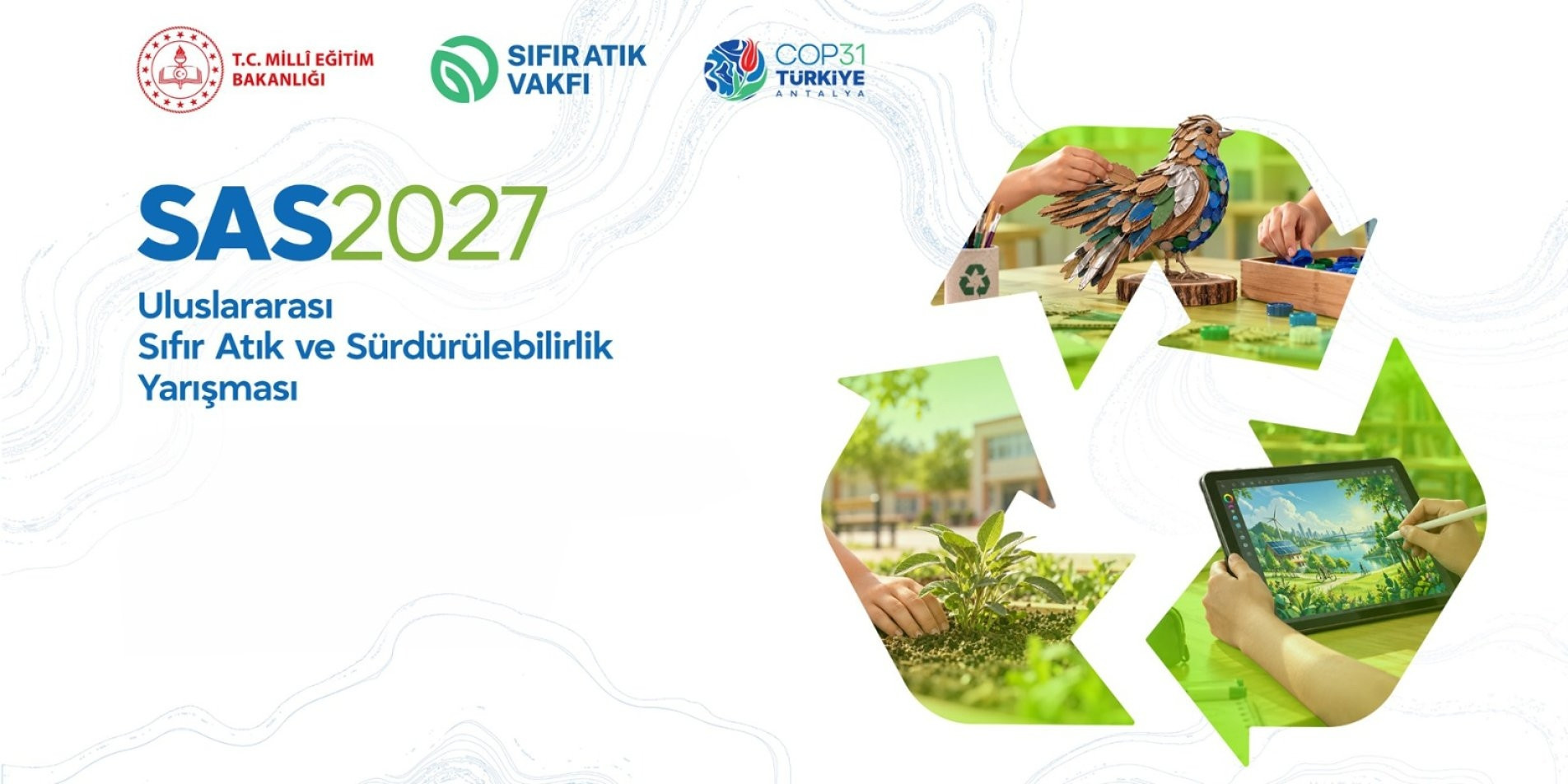
Participants in this category are tasked with collecting various types of waste materials—such as plastics, cardboard, metals, textiles, and organic waste—and upcycling them into unique, thought-provoking works of art. The objective is twofold: to drastically reduce waste through creative reuse, and to visually demonstrate the sheer volume of materials that are routinely discarded in daily life.
By transforming trash into sculptures, paintings, and mixed-media installations, students are encouraged to rethink their relationship with consumer goods and resource consumption. This hands-on process teaches younger students the value of resourcefulness, demonstrating that many items destined for landfills can be given a second life through imagination and artistic intervention.
2. Visual Design (Görsel Tasarım)
Recognizing the powerful role that media and communication play in modern environmental advocacy, the "Visual Design" category is open to both domestic and international middle and high school students. This category invites young designers, illustrators, and digital artists to translate complex ecological problems and sustainability concepts into compelling visual narratives.
Participants are expected to create original visual works—such as graphic designs, posters, digital illustrations, or infographics—that communicate critical messages regarding environmental preservation, climate change, biodiversity loss, or waste management. The goal is to produce striking visual materials that can raise awareness, provoke thought, and inspire behavioral changes in viewers.
By opening this category to international students, the competition facilitates a cross-cultural exchange of ideas. Middle and high schoolers from different parts of the world will have the opportunity to showcase how their respective communities perceive global environmental challenges, highlighting both unique regional perspectives and shared global responsibilities.
3. Living School Gardens (Yaşayan Okul Bahçeleri)
Unlike the individual or team-based student entries in the artistic categories, the "Living School Gardens" category is an institutional competition. It is open to schools in Turkey and abroad, requiring a collective effort from administrators, teachers, students, and support staff to transform their physical campus environments.

Participating schools are expected to design and implement sustainable, nature-integrated, and highly functional garden spaces within their school grounds. These "living gardens" must be designed with long-term ecological sustainability in mind, incorporating elements such as native plant species, rainwater harvesting systems, composting zones, organic waste recycling, and biodiversity-friendly habitats.
Crucially, the projects submitted in this category must be replicable, meaning they should serve as practical models that other educational institutions can easily adapt and implement. Beyond their ecological benefits, these gardens are intended to function as outdoor classrooms where students can engage in experiential learning, studying biology, ecology, and agriculture in a real-world setting. This category underscores the idea that schools themselves should embody the sustainability principles they teach in the classroom.
Global Outreach and Multilingual Implementation
The SAS2027 International Zero Waste and Sustainability Competition is designed from the ground up to be a truly global event. To accommodate participants from diverse linguistic and geographic backgrounds, all aspects of the competition will be conducted in both Turkish and English. This bilingual framework ensures that international students and schools can seamlessly access guidelines, submit their projects, and engage with the broader competition community.
To facilitate widespread international participation, the Ministry of National Education and the Zero Waste Foundation are leveraging an extensive network of diplomatic and educational channels. The global rollout of the competition is being coordinated through:
- Overseas Education Representatives: Turkish education attachés and representatives stationed in various countries around the world are actively promoting the competition within their local jurisdictions, encouraging foreign schools and international students to participate.
- The Turkish Maarif Foundation (Türkiye Maarif Vakfı): Operating an extensive network of schools across multiple continents, the Maarif Foundation serves as a vital bridge to engage international students in diverse geographic regions, ensuring that the message of zero waste reaches a global student body.
- Sister School Networks (Kardeş Okullar): Existing bilateral partnerships between schools in Turkey and their counterparts abroad are being utilized to foster collaborative projects, particularly in the "Living School Gardens" and "Visual Design" categories.
This robust international framework reflects the understanding that environmental challenges, such as plastic pollution and climate change, do not respect national borders. By bringing together students from different countries, the SAS2027 competition aims to foster a sense of global citizenship and collective responsibility, emphasizing that solving ecological crises requires international cooperation and shared knowledge.
Fostering a Sustainable Future
The collaboration between the Ministry of National Education and the Zero Waste Foundation highlights a growing recognition of the role that educational institutions play in environmental preservation. For years, Turkey has championed the "Zero Waste" philosophy on both national and international stages, seeking to transition from a linear "take-make-dispose" economic model to a circular one that prioritizes resource efficiency and waste minimization.

By targeting school-aged children, the SAS2027 competition seeks to instill these circular economy principles at an early age. Educational experts note that hands-on competitions are often far more effective at changing long-term behaviors than traditional classroom lectures alone. When students are actively involved in collecting waste to make art, designing awareness campaigns, or planting school gardens, they develop a personal, emotional connection to the environment.
Furthermore, the institutional focus of the "Living School Gardens" category encourages systemic changes within schools. When an entire school community works together to build a sustainable garden, it fosters a collective culture of conservation. These green spaces not only reduce the carbon footprint of the campus but also improve the mental and physical well-being of students by reconnecting them with the natural world.
As the application period continues toward the January 15, 2027 deadline, schools and students across Turkey and around the world are expected to begin preparing their submissions. The organizers anticipate a diverse array of entries that showcase the ingenuity, creativity, and passion of young people committed to building a cleaner, more sustainable future. Detailed guidelines, eligibility criteria, and submission portals are being made available to participating institutions through official educational channels.