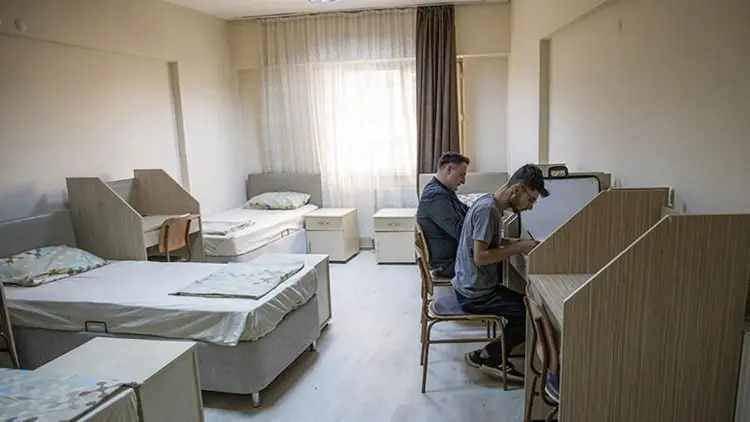
The Credit and Dormitories General Directorate (KYK), operating under the Turkish Ministry of Youth and Sports, has officially launched the supplementary application process for student dormitories for the 2026–2027 academic year. According to the formal announcement, eligible higher education students who have not yet secured accommodation in state-run facilities can now submit their applications digitally through the unified e-Devlet (e-Government) portal. This late-stage application window is highly time-sensitive, with the final deadline established as October 9, 2026, at precisely 23:59.
This announcement brings significant relief to thousands of university students across Turkey who are still seeking secure, comfortable, and affordable housing for the newly commenced academic term. As higher education institutions open their doors for the fall semester, the demand for state-subsidized accommodation remains exceptionally high. The opening of additional quotas represents a critical secondary opportunity for students who missed the initial application phases or who have recently registered for their academic programs through late-placement systems.
KYK Opens Additional Quota for Dormitory Applications
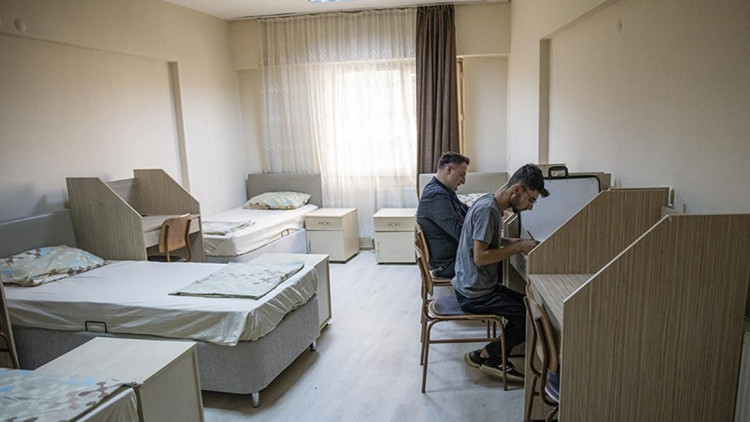
The decision by the Credit and Dormitories General Directorate to open additional quotas is a standard but vital phase of the annual student housing cycle. Every year, following the primary placement rounds, a certain number of dormitory beds become vacant. These vacancies typically arise when initially placed students choose to opt for private housing, register at different institutions, freeze their academic enrollment, or fail to complete their dormitory registration within the designated timeframe.
Additionally, the higher education landscape in Turkey involves multiple entry pathways that extend beyond the main placement window. Students admitted through supplementary placement rounds (ek yerleştirme), vertical transfer exams (DGS), horizontal transfers between departments or universities, and international student intake programs often find themselves starting their academic journeys later than the general student body. Consequently, this targeted application window ensures that late-arriving students are not left without viable accommodation options as they begin their studies.
The application window is notably brief, spanning only a few days from the initial announcement on October 7, 2026, to the final cutoff on the night of October 9, 2026. This tight timeline underscores the urgency for applicants to gather their necessary information and complete the digital submission process promptly. Because the entire system is digitized, the General Directorate has emphasized that no physical applications will be accepted at individual dormitory offices or regional directorates, making access to the e-Devlet system the sole pathway for securing a placement.
Key Details and Next Steps for Applicants
To navigate this highly competitive process successfully, applicants must understand both the mechanics of the digital application and the broader criteria used to evaluate their submissions. The integration of dormitory applications into the e-Devlet system has streamlined what was once a highly bureaucratic and paper-heavy process. Today, the digital platform allows for instantaneous cross-referencing of student data with various government databases, ensuring high transparency and objective evaluation.
When a student logs into the e-Devlet portal to apply for a KYK dormitory, the system automatically retrieves their academic registration details from the Higher Education Council (YÖK) database. This automatic verification confirms that the applicant is actively enrolled in an eligible associate, undergraduate, or graduate degree program. Following this initial verification, applicants are required to fill out comprehensive questionnaires detailing their family’s socioeconomic status, household income, and geographic circumstances.
The evaluation process conducted by the Credit and Dormitories General Directorate is deeply rooted in a points-based system designed to prioritize those in the greatest financial and social need. The system automatically cross-references the financial declarations of the applicant’s family with records from the Revenue Administration, the Social Security Institution (SGK), and the Land Registry and Cadastre General Directorate. Factors such as parental employment status, the number of siblings currently enrolled in active education, and the distance between the student’s permanent family residence and the university city are heavily weighted.
Furthermore, special priority is legally granted to specific student demographics. This includes students with documented physical disabilities, the children of martyrs and veterans, individuals who have grown up under the care of the Ministry of Family and Social Services, and those who have been affected by major natural disasters. These priority statuses are automatically verified through relevant ministerial databases, allowing the system to expedite placements for those who require immediate state support.

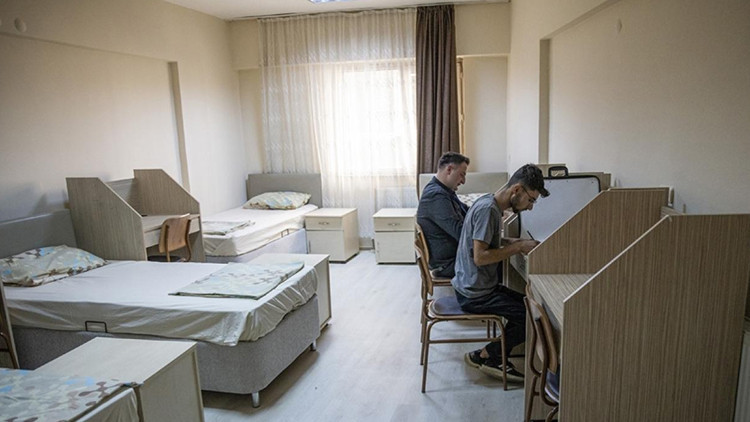
The significance of these state-run dormitories cannot be overstated within the context of the current socio-economic landscape in Turkey. For many families, the availability of affordable, state-subsidized housing is the determining factor in whether a student can realistically pursue higher education outside their home province. KYK dormitories offer not just a place to sleep, but a comprehensive living environment that includes subsidized daily meals (breakfast and dinner allowances), high-speed internet access, quiet study halls, laundry facilities, and secure, 24-hour monitored environments.
In major metropolitan areas such as Istanbul, Ankara, and Izmir, where private rental markets and private student housing can be prohibitively expensive, the demand for KYK accommodation is particularly intense. Even in smaller provincial cities where local housing markets are less developed, the presence of a well-equipped KYK dormitory provides a vital safety net that allows students to focus on their academic pursuits without the added stress of financial insecurity or housing instability.
As the October 9 deadline approaches, student unions and educational consultants are advising applicants to double-check their personal and academic information on the e-Devlet portal before final submission. Any discrepancies between the declared information and the official records retrieved from state databases can lead to the immediate disqualification of the application. Once the deadline passes at 23:59 on October 9, 2026, the portal will be closed, and the General Directorate will begin the automated evaluation process.

The results of the additional quota placements are expected to be announced shortly after the application window closes, allowing successful applicants to quickly transition into their new living arrangements and integrate into their respective academic environments. Students who are allocated a room during this supplementary phase will be required to pay a initial deposit and registration fee through designated banking channels to finalize their placement and secure their housing rights for the remainder of the 2026–2027 academic year.