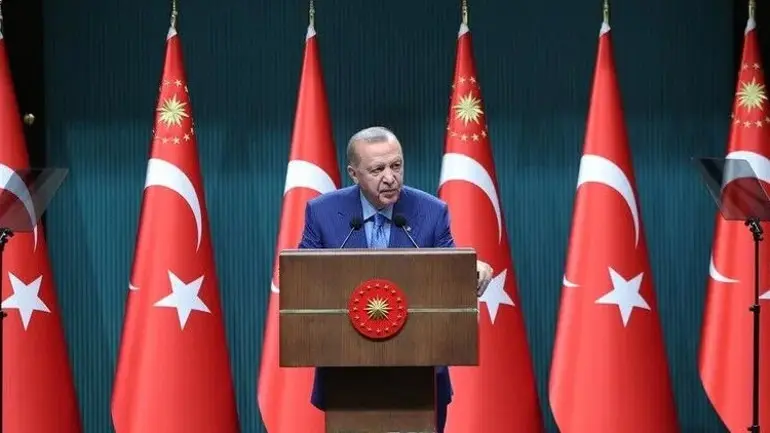
In a significant move aimed at addressing recent fluctuations and emerging concerns within the financial sector, President Recep Tayyip Erdoğan convened a high-level summit with the nation’s top economy officials at the Presidential Complex in Ankara. The meeting, which took place at Beştepe, focused specifically on the latest developments within the fund market and the broader implications for Turkey’s financial stability. Following a period of intense public and market scrutiny regarding fund activities, the President met with his economic inner circle to evaluate a comprehensive suite of administrative and legal measures designed to restore order and ensure accountability.
The summit, which began at 2:00 PM, lasted nearly three hours, reflecting the complexity and the gravity of the issues on the table. The duration of the meeting underscores the government’s commitment to a thorough investigation into the dynamics of the fund market, which has recently been the subject of various reports concerning speculative activities and potential irregularities. President Erdoğan’s decision to lead this meeting personally highlights the executive branch’s prioritize-action approach to maintaining the integrity of the Turkish financial system and protecting the interests of investors.
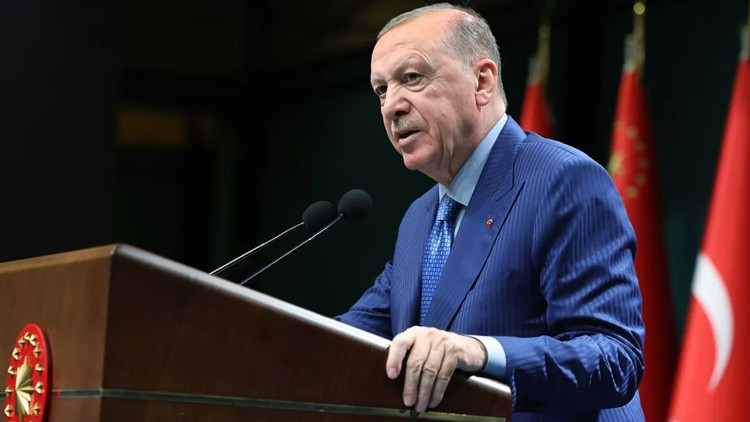
Among those in attendance were Treasury and Finance Minister Mehmet Şimşek and Vice President Cevdet Yılmaz, two of the most influential figures in the management of the Turkish economy. Their presence, alongside senior executives from the country’s leading financial institutions and regulatory bodies, suggests that the discussions were both technical and strategic. The inclusion of the heads of major financial entities indicates a collaborative effort between the state’s economic leadership and the private sector to identify systemic vulnerabilities and implement robust safeguards against market manipulation.
Comprehensive Review of Market Dynamics and Speculative Pressures
The primary focus of the three-hour session was a detailed assessment of the current state of the fund market. According to reports emerging from the capital, the President and his advisors examined various factors contributing to recent volatility. A central theme of the meeting was the identification and prevention of speculative movements that could undermine the stability of the financial system. The government has signaled that it will not tolerate actions that exploit market conditions for undue gain at the expense of the broader public or the health of the national economy.
During the discussions, the participants reportedly analyzed the mechanisms through which certain funds operate and the oversight currently provided by regulatory authorities. The aim is to ensure that the financial system remains resilient in the face of external and internal pressures. By bringing together the Treasury and Finance Ministry with the Vice Presidency and sector leaders, the summit sought to create a unified front against financial malpractice. The evaluation included a review of existing protocols and the potential need for more stringent monitoring of large-scale fund transfers and investment schemes that have raised red flags in recent weeks.

The focus on "speculative movements" is particularly noteworthy, as it reflects a broader concern about the transparency of the fund market. In recent days, there have been increasing calls for clearer definitions of legal versus predatory market behavior. The Beştepe summit appears to be the government’s definitive response to these concerns, aiming to provide a clear framework for what constitutes acceptable market participation and what will be subject to state intervention.
Administrative and Legal Pathways Toward Accountability
The meeting at the Presidential Complex follows a stern warning issued by President Erdoğan during a Cabinet meeting just a day prior. In his address to the nation on that occasion, the President had stated unequivocally that "those responsible will be held accountable," referring to any individuals or entities found to have engaged in illicit activities within the financial sector. This message set the tone for today’s summit, which was widely viewed as the operational phase of that promise.
As the summit concluded, the focus shifted toward the specific administrative and legal steps that the government intends to take. While a formal statement from the Communications Presidency is expected to provide further details, sources close to the matter suggest that the proposed actions will be two-pronged. Administratively, there may be a restructuring of how fund activities are reported and audited, potentially granting regulatory bodies more intrusive powers to investigate suspicious transactions in real-time.

On the legal front, the discussions involved potential legislative amendments that could be introduced to the Turkish Grand National Assembly. These legal steps would aim to close existing loopholes that might be exploited by speculative actors. By strengthening the judicial framework surrounding financial crimes and market abuse, the government hopes to create a powerful deterrent against future irregularities. The emphasis on "accountability" suggests that the authorities are not only looking at future preventions but also at investigating past transactions that may have contributed to the current market climate.
The Role of the Turkish Parliament and the Upcoming Legislative Term
The timing of this economic summit is particularly crucial as the Turkish Grand National Assembly (TBMM) prepares to open its doors for a new legislative term on October 1. The proximity of the summit to the reopening of Parliament suggests that the government is preparing to move quickly on the legislative front. One of the most significant developments discussed by political observers is the high probability of the formation of a parliamentary research commission dedicated to investigating the fund market crisis.
Sources within the AK Party have indicated that there is a strong likelihood of a consensus among political parties to establish such a commission during the first week of the new working term. Such a move would allow for a multi-party investigation into the root causes of the issues within the fund market, ensuring that the process is transparent and exhaustive. A parliamentary commission would have the authority to call witnesses, review confidential financial documents, and produce a comprehensive report that could serve as the basis for further legal action or policy changes.

The potential for a cross-party commission highlights the national importance of the issue. When the General Assembly convenes after October 1, all eyes will be on the motions brought forward by the political groups. If established, the commission would represent a significant step in the democratic oversight of the financial sector, providing a platform for a thorough public accounting of the events that led to the current state of the fund market.
Strengthening the Financial System for Future Resilience
Beyond the immediate concerns of the fund market, the Beştepe summit also touched upon the long-term health of the Turkish financial ecosystem. The presence of Mehmet Şimşek, who has been a vocal advocate for fiscal discipline and market transparency, indicates that the measures being discussed are part of a broader strategy to enhance Turkey’s attractiveness to both domestic and international investors. Protecting the financial system from speculative shocks is seen as a prerequisite for sustainable economic growth.
The government’s proactive stance is intended to send a clear signal to the markets: the Turkish state remains the ultimate guarantor of financial order. By addressing the fund crisis through a combination of executive action, regulatory tightening, and legislative oversight, the administration aims to mitigate any potential damage to investor confidence. The discussions at Beştepe suggest a move toward a more rigorous and modern regulatory environment, where the rules of the game are clearly defined and strictly enforced.
As the public awaits the official communiqué from the Communications Presidency, the prevailing sentiment in Ankara is one of decisive action. The three-hour meeting between President Erdoğan and his economy chiefs has laid the groundwork for a series of interventions that will likely define the economic agenda for the coming months. From the corridors of Beştepe to the floor of the Grand National Assembly, the focus remains firmly on ensuring that the fund market operates within the bounds of the law and contributes to the overall stability of the nation’s economy.
The developments following this summit will be closely monitored by market participants, legal experts, and the general public. With the legislative term about to begin and the executive branch signaling a zero-tolerance policy for financial misconduct, the coming weeks are expected to bring significant clarity to the future of fund market regulation in Turkey. The commitment to holding responsible parties accountable and the potential for a parliamentary inquiry suggest that the government is prepared to use every tool at its disposal to resolve the current crisis and prevent its recurrence.