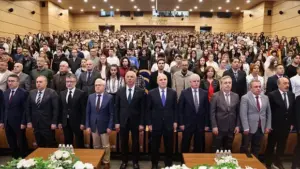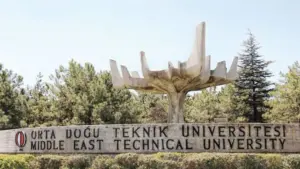
ANKARA — In the decades following the establishment of the modern Turkish Republic, few institutions have played as vital a role in shaping the country’s intellectual, social, and cultural landscape as the Turkish Education Association (TED) Ankara College. Celebrating its 95th anniversary, this landmark educational institution stands as a testament to the transformative power of modern education. Since its inception, the school has raised tens of thousands of graduates who have gone on to assume leading roles in politics, the economy, science, technology, sports, culture, and the arts, leaving an indelible mark on the nation’s history.
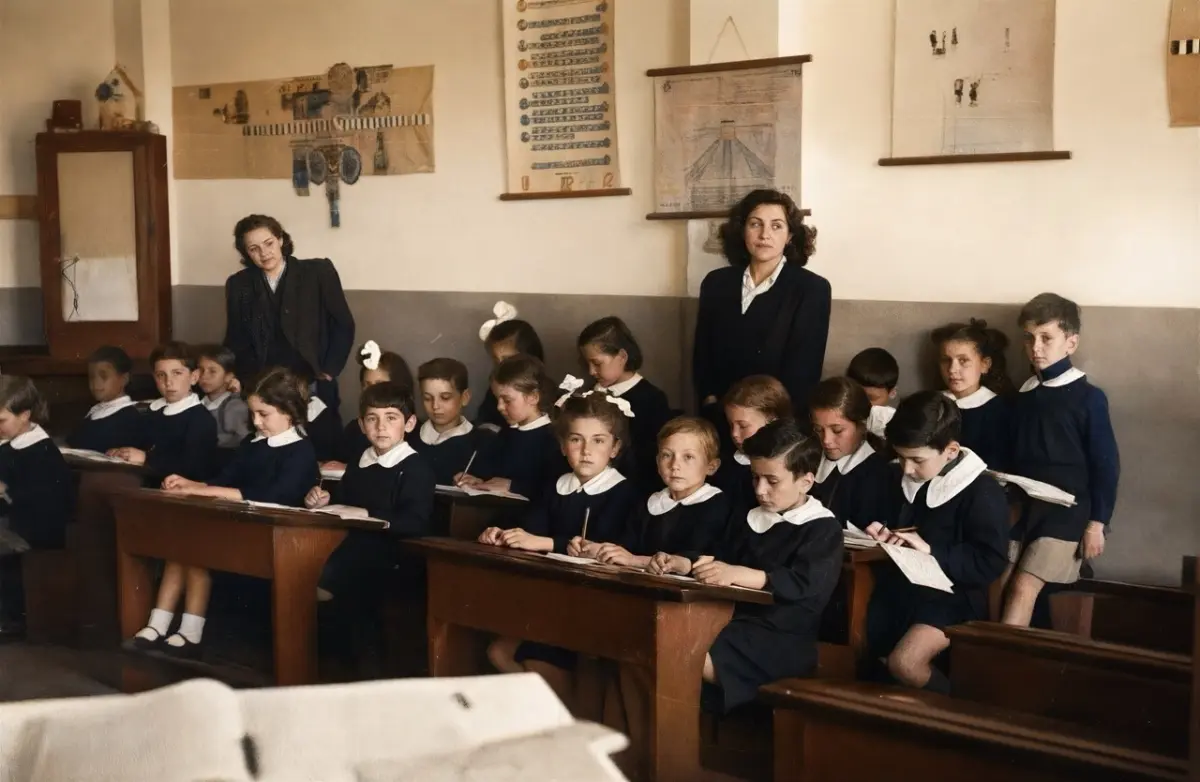
Founded during the early years of the Republic under the guidance of the Turkish Education Association—initially established as the "Turkish Education Association" (Türk Maarif Cemiyeti)—TED Ankara College began its educational journey in 1931. What started as a modest kindergarten quickly expanded to meet the growing educational needs of a developing nation. In that same founding year of 1931, the primary school division was established, followed by the middle school in 1933, and finally the high school in 1936. This rapid, structured growth established a complete K-12 educational pipeline that has, for nearly a century, remained dedicated to nurturing progressive, independent, and socially responsible generations under the light of reason and science.
Reflecting on this major milestone, Şeref Topkaya, the Chairman of the Board of Trustees of the TED Ankara College Foundation, shared a comprehensive evaluation of the institution’s historical journey, its deeply rooted values, and its vision for the future.
In the Light of Reason and Science
The foundational philosophy of TED Ankara College has always been intimately linked with the progressive ideals of the Turkish Republic. From its earliest days, the institution has aligned its educational goals with the core values of the state’s founder, Mustafa Kemal Atatürk. This alignment is not merely historical; it remains the active, guiding framework for the school’s daily operations and long-term vision.
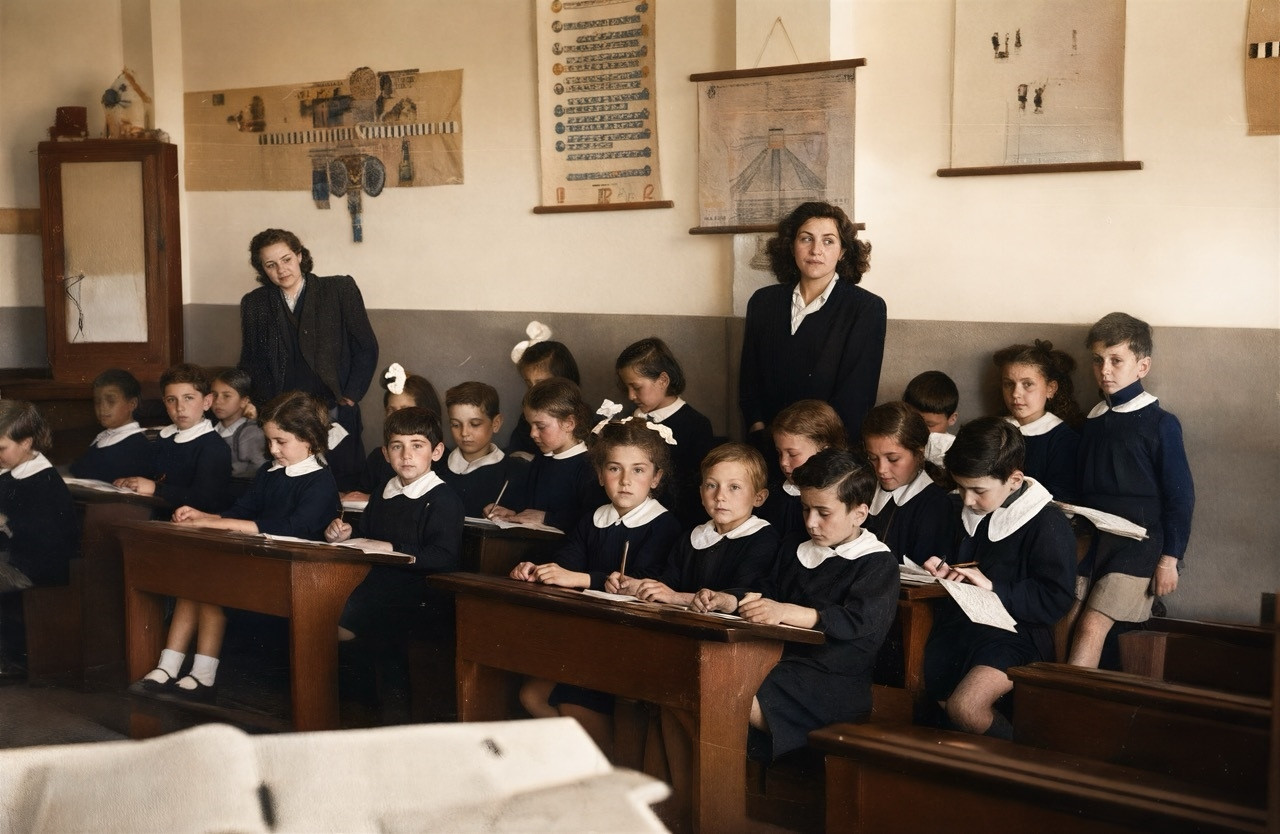
“Since the day of our founding, we have regarded it as our fundamental duty to raise ‘generations free in mind, free in knowledge, and free in conscience’ in line with Republican values and Atatürk’s principles, under the light of reason and science,” Chairman Şeref Topkaya stated.
The phrase "free in mind, free in knowledge, and free in conscience" (fikri hür, irfanı hür, vicdanı hür) holds a profound place in Turkish educational history. Originally coined by the influential reformist poet Tevfik Fikret and later popularized by Atatürk as a mandate for the nation’s educators, it represents a commitment to academic freedom, critical thinking, and ethical responsibility. By maintaining this ethos for 95 years, TED Ankara College has solidified its reputation as one of the most respected, established, and innovative educational institutions in the Turkish national school system.
This educational approach has yielded remarkable results. Over nearly a century, the school has graduated close to 40,000 alumni. These individuals have not only built successful personal careers but have also served as major catalysts for development across Turkey’s socio-cultural, economic, scientific, athletic, and artistic spheres. The school’s alumni network includes prominent statesmen, pioneering scientists, influential business leaders, celebrated artists, and national athletes, all of whom carry the distinct identity of their alma mater.
“TED Ankara College is not merely an educational institution,” Topkaya emphasized. “It is also a massive educational family that holds a vital place in the social memory of both Ankara and Turkey as a whole.” This concept of "social memory" reflects how deeply the school is woven into the identity of the capital city, serving as a shared cultural touchstone across multiple generations of Turkish families.
A Deep-Rooted Past
The history of TED Ankara College is also a story of urban integration and architectural legacy. For many decades, the school operated from its iconic historic campus located on Ziya Gökalp Street in the heart of Ankara. This campus became so central to the life of the city that it ultimately gave its name to the surrounding metropolitan district. Today, the central neighborhood and its bustling transit hub are still known simply as "Kolej" (College) by millions of residents.

This naming is a rare phenomenon in urban history, demonstrating how an educational institution can transcend its physical boundaries to become an organic, permanent part of a city’s geography and vernacular culture. The legacy of the Ziya Gökalp campus represents a golden era of urban education, where the school was physically and culturally at the center of the capital’s daily life.
As the educational needs of the 21st century evolved, however, the institution recognized the need for a physical environment that could support modern, multi-dimensional learning on a larger scale. This realization led to the transition from the historic city-center campus to the state-of-the-art İncek Campus, carrying the school’s rich heritage into the future.
The TED Ankara College Foundation Schools İncek Campus represents a monumental achievement in modern educational architecture. Spanning a massive total area of 309,000 square meters, with 118,000 square meters of indoor space, the campus is designed to function as a self-contained, highly advanced educational village. This expansive setting provides students with world-class facilities, including advanced science laboratories, cultural centers, athletic complexes, and green spaces designed to foster collaborative learning and environmental awareness.
“Today, we carry this invaluable heritage forward at our İncek Campus,” Topkaya said. “Our campus is a vast and comprehensive educational space that offers our students modern educational opportunities. The primary goal of our educational philosophy is to raise our students as multi-dimensional, free-thinking individuals who possess 21st-century skills, are highly sensitive to developments both in our country and across the globe, possess a strong intellectual foundation, and remain deeply respectful of both universal and national values.”
By balancing these national and universal values, the school aims to prepare students not just for domestic success, but to be active, competitive, and empathetic citizens of the global community. The curriculum and campus life are structured to cultivate critical thinking, technological literacy, environmental stewardship, and a deep appreciation for the humanities and arts.

The strength of TED Ankara College lies in its ability to adapt to the future while remaining fiercely loyal to its historical roots. With thousands of current students, hundreds of dedicated teachers and staff members, and an alumni network of tens of thousands, the school continues to grow with the contributions of each successive generation.
As the institution celebrates its 95th year, the sense of pride and responsibility remains as strong as it was in 1931. The journey that began with a single kindergarten has transformed into a national standard of educational excellence, promising to guide future generations under the light of reason and science for many years to come.