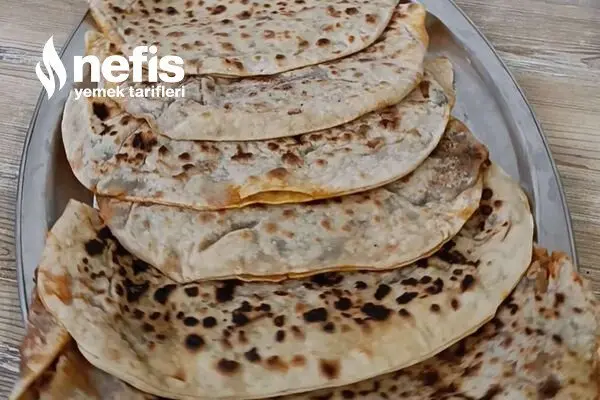
In the rich tapestry of Turkish culinary heritage, few items hold as cherished a place as the traditional gözleme. This savory, hand-rolled flatbread, traditionally griddled over an open flame on a convex metal sheet known as a saç, has long been a staple of rural life, village markets, and weekend family breakfasts across Anatolia. While classic varieties featuring fillings like white cheese, spinach, minced meat, and potatoes continue to dominate household kitchens, contemporary culinary exploration is breathing new life into the genre. A prime example of this evolving tradition is gaining widespread attention among home cooks and gastronomy enthusiasts alike: the eggplant gözleme, locally known as "Patlıcanlı Gözleme."
Recent culinary documentation and popular recipe platforms have highlighted the growing prominence of this unique variation. Shared by culinary contributors who specialize in preserving and modernizing authentic regional flavors, the recipe for eggplant-stuffed flatbread has steadily climbed in popularity among food enthusiasts looking to expand their repertoire of traditional pastry dishes. As contemporary kitchens increasingly seek out ways to incorporate seasonal vegetables into traditional comfort foods, the rich, smoky profile of eggplant has emerged as a favored filling, bridging the gap between hearty Anatolian pastry craft and vegetable-forward dining.
The Cultural Significance of Gözleme in Turkish Gastronomy
To understand the appeal of the eggplant variant, one must first appreciate the cultural weight carried by the traditional gözleme within Turkish society. Historically prepared by women gathering in village courtyards or communal spaces, the art of making gözleme is a communal tradition passed down through generations. The process begins with a simple, unleavened dough typically composed of flour, water, and salt, which is left to rest before being divided into small portions. Each portion is rolled out exceedingly thin using a long, slender rolling pin called an oklava.
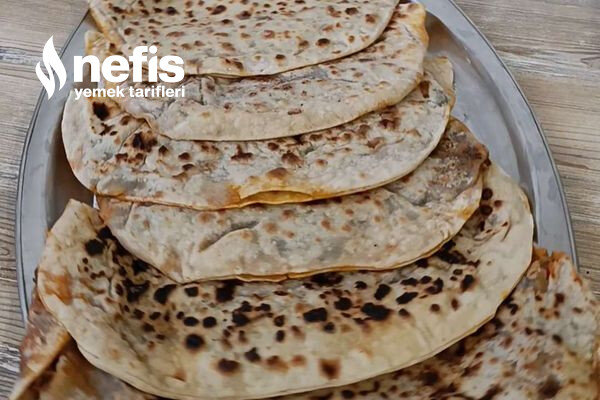
Once the dough reaches the desired thinness, the chosen filling is distributed evenly across the surface before the edges are folded inward to create a sealed pocket. This pocket is then transferred to a hot griddle, where it is cooked until golden brown spots appear on both sides, often brushed lightly with butter or oil just before completion. The versatility of the dough has historically allowed cooks to utilize whatever ingredients were readily available in their gardens or local bazaars, leading to countless regional adaptations. While meat and cheese fillings were traditionally reserved for special occasions or households with greater resources, vegetable fillings—particularly those utilizing staples like potatoes, wild greens, and seasonal vegetables—formed the backbone of everyday rural nutrition.
Integrating Eggplant into Traditional Pastry Art
The introduction of eggplant into the gözleme tradition represents a sophisticated evolution in flavor pairing. Eggplant, or patlıcan, holds a revered status in Turkish cuisine, often referred to by culinary historians as the crown jewel of the vegetable kingdom due to its versatility in dishes ranging from İmam Bayıldı to Hünkar Beğendi. When adapted as a pastry filling, eggplant offers a distinct, rich texture that contrasts sharply with the delicate, crisp exterior of the griddled dough.
Preparing the filling requires careful attention to texture and moisture control, elements that culinary experts emphasize when discussing successful flatbread production. The eggplant is typically cooked down—often roasted to achieve a smoky depth, then sautéed with aromatics such as onions, tomatoes, and peppers—to create a thick, savory paste that will not release excess liquid and compromise the integrity of the thin dough. This preparation method ensures that each bite delivers a harmonious balance between the tender, spiced vegetable interior and the lightly charred, flaky pastry shell.
The growing documentation of this specific recipe on digital recipe repositories reflects a broader trend in how traditional knowledge is preserved and shared in the modern era. Platforms dedicated to authentic Turkish recipes serve as dynamic archives where home cooks contribute their family variations, allowing regional specialties to reach a national and even international audience. The eggplant gözleme, as cataloged by community contributors, stands as a testament to the enduring adaptability of Turkish culinary arts, proving that time-honored techniques can successfully accommodate new flavor profiles without losing their authentic character.
As food enthusiasts continue to experiment with these classic techniques in their own kitchens, dishes like the eggplant gözleme ensure that the rich heritage of Anatolian flatbread making remains vibrant, relevant, and continually evolving for contemporary palates.