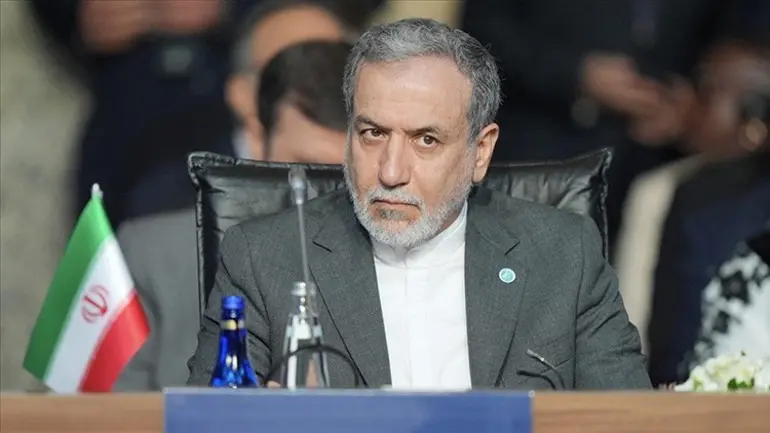
A comprehensive seven-day diplomatic roadmap presented by Tehran to the United States has brought an array of regional security issues to the negotiating table, offering to alter the delicate balance of power in the Middle East. However, an analysis by Al Jazeera highlights that the proposal extends far beyond a simple cessation of hostilities, revealing deeper strategic calculations that have ultimately left Washington unconvinced.
The Iranian initiative, presented in exchange for reopening the vital Strait of Hormuz, was closely scrutinized in the Al Jazeera assessment. According to the network’s analysis, Tehran’s proposed seven-day ceasefire is not merely aimed at ending ongoing warfare. Instead, it forms part of a broader negotiation strategy designed to cement Iranian influence over the strategic waterway and shape developments across regional arenas, including Yemen.
Iran’s Seven-Day Ceasefire Proposal
The diplomatic push was formally unveiled by Iranian Foreign Minister Abbas Araghchi during the United Nations General Assembly in New York, where he confirmed submitting a detailed seven-day roadmap to the United States. Under the framework reported by Al Jazeera, Tehran offered to reopen the closed maritime corridor of the Strait of Hormuz by the conclusion of the seventh day and to resume negotiations over its nuclear program, provided Washington met a strict set of preliminary demands.
Under Tehran’s proposed sequence, the United States would be required to lift its maritime blockade against Iran, eliminate sanctions targeting Iranian petroleum exports, and unfreeze approximately $12 billion in restricted Iranian foreign assets. In parallel, the framework called for comprehensive ceasefires to be established across multiple regional fronts, specifically citing Gaza, Lebanon, and Yemen.
Al Jazeera’s analysis noted that through this initiative, Iran sought to revive the core tenets of a previous understanding reached in June, which had subsequently broken down. Tehran aimed to implement that earlier framework under a significantly compressed timetable. However, deep divisions remain between Tehran and Washington regarding the precise sequencing of obligations, creating an impasse over which side must make the initial concessions.

"Iran Attempts to Exert Pressure on the United States"
The timing of Tehran’s initiative received significant attention in the Al Jazeera analysis. Analysts observed that Iran is deliberately attempting to capitalize on the acute economic vulnerabilities facing Washington. By tying the reopening of the Strait of Hormuz to the easing of economic restrictions, Tehran seeks to leverage rising global energy prices and the political sensitivities surrounding approaching U.S. midterm elections against the American administration.
The decision to unveil the framework on the sidelines of the United Nations General Assembly was similarly interpreted as a maneuver closely tied to domestic political pressures in the United States. Speaking to Al Jazeera, Urban Coningham, a researcher at the London-based Royal United Services Institute (RUSI), characterized Iran’s proposal as a tactical effort calibrated to maximize political and economic pressure on the United States.
Disruptions to commercial shipping through the Strait of Hormuz carry immediate, destabilizing consequences for international crude oil and liquefied natural gas markets. Given this global vulnerability, reopening the waterway would represent a significant relief valve for Washington, mitigating inflationary pressures and lowering the economic strain driven by spiked fuel costs. Tehran has sought to convert this economic relief into diplomatic capital.

The Core Dispute: Control Over the Strait of Hormuz
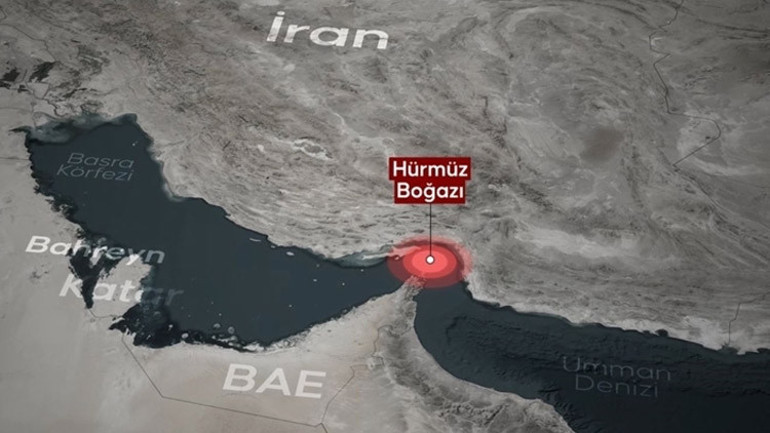
Beyond the immediate question of restoring commercial navigation, Al Jazeera’s analysis emphasized that the underlying dispute centers on long-term authority over the Strait of Hormuz. Tehran is not merely offering to permit maritime transit; it is seeking a recognized, institutionalized voice in how the strategic chokepoint will be governed in the future.
This tension traces back to the failed June understanding, in which Iran agreed to permit commercial vessels to navigate through the strait for a designated 60-day window. That previous accord, however, left significant ambiguity regarding the regulatory framework and operational protocols that would govern maritime traffic once the 60-day period expired. When Washington and Tehran subsequently attempted to resolve how navigation would be managed long-term, disagreements paralyzed the process, leading to the collapse of the agreement.
In this latest seven-day proposal, the structural sequencing remains a major barrier. Iran insists that the maritime corridor of Hormuz must be reopened and sanctions lifted first, with substantive discussions regarding its nuclear file following only after those terms are met. Conversely, Washington has consistently rejected this order, refusing to separate negotiations over Iran’s nuclear program from broader security, regional, and maritime discussions.

"The Most Dangerous Flashpoint: Yemen"
The inclusion of Yemen within Iran’s roadmap was singled out in the analysis as one of the most perilous dimensions of the initiative. By bundling disparate conflicts into a single comprehensive negotiation, Tehran has explicitly tied the freedom of navigation in the Strait of Hormuz to political and military arrangements governing Yemen.
Iran’s insistence that the seven-day ceasefire encompass Yemen means that an American acceptance of the plan would require Washington to dismantle its naval blockade while concurrently acceding to Tehran’s financial and economic requirements. Analysts warned that conflating the crisis in the Strait of Hormuz with the war in Yemen creates far-reaching consequences for regional stability, effectively linking distant sea lanes and complex localized conflicts into an interconnected diplomatic knot.
Front-Loading Iranian Gains
A central point of contention highlighted in the analysis is the front-loaded nature of the benefits accruing to Tehran. Under the terms of the proposal, Iran’s key economic and political objectives would be achieved prior to the commencement of any substantive nuclear talks.
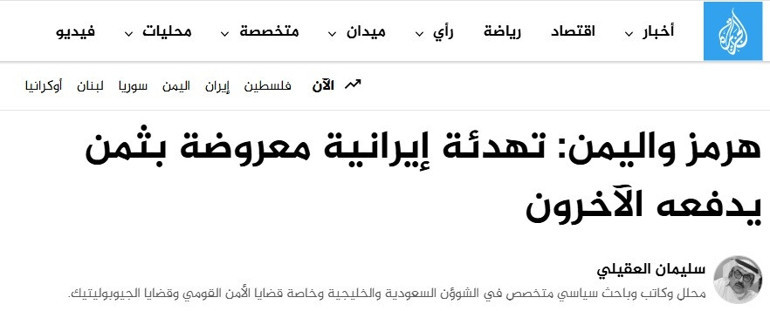
Before any detailed engagement on its nuclear dossier begins, Washington would be obligated to terminate its naval blockade, ease restrictions on Iranian oil sales, and release the $12 billion in frozen assets. Only after the seventh day—marked by the unblocking of the Strait of Hormuz—would discussions on the nuclear issue formally initiate.
This chronological structure explains the resolute resistance from U.S. policymakers. The administration in Washington maintains that retaining relentless economic and financial pressure remains its primary instrument to compel Tehran into broader concessions, making an arrangement that provides upfront sanctions relief without upfront nuclear compromises fundamentally unpalatable.
Trump Rejects the Proposal
U.S. President Donald Trump publicly dismissed Iran’s seven-day proposal, confirming that the terms put forward were unacceptable to his administration. While acknowledging Tehran’s desire to reach an accord, Trump asserted that the specific framework delivered by Iranian diplomats could not form the basis of an agreement.
The analysis underscored that the Trump administration remains intent on using sanctions and economic leverage to squeeze more comprehensive concessions from Tehran. Washington has favored a strategy of strategic patience, waiting until compounding economic distress forces the Iranian government to accept tighter constraints. Conversely, despite facing severe economic difficulties at home, Tehran has continued to resist unconditional capitulation, fighting to safeguard its negotiating leverage and the gains it had previously secured.
"The Struggle Extends Far Beyond Hormuz"
The standoff underscores that the battle over the Strait of Hormuz is not an isolated bilateral conflict between Washington and Tehran. Because the narrow waterway serves as an irreplaceable transit corridor for substantial shares of global crude oil and natural gas supplies, disruptions within it immediately ripple across the world economy.
According to Al Jazeera’s assessment, Iran’s primary objective is to maintain its commanding position over the strait to secure lasting political and economic concessions in the post-conflict landscape. Washington, by contrast, views the reopening of the chokepoint as a baseline requirement, demanding that any permanent solution be accompanied by sweeping limitations on Iran’s nuclear infrastructure and regional footprint. With both capitals divided over both the substance of an agreement and the procedural sequence of implementation, finding common diplomatic ground remains an elusive prospect.