Samsung Electronics has officially initiated the mass production phase for its next-generation flagship mobile processor, the Exynos 2700. This milestone marks a critical juncture for the South Korean technology giant as it prepares its highly anticipated Galaxy S27 smartphone lineup. According to a report from the South Korean industry publication The Elec, Samsung has aggressively adjusted its manufacturing targets for the new chipset, setting a production volume goal that is more than 10 percent higher than that of its predecessor, the Exynos 2600.
The strategic driver behind this notable double-digit increase in manufacturing volume is the introduction of a new tier in the flagship family: the Galaxy S27 Pro. By expanding its high-end portfolio to include a Pro variant alongside the traditional standard and Plus models, Samsung aims to capture a broader segment of the premium smartphone market. This diversification requires a robust, highly reliable supply chain, prompting the company’s semiconductor division to scale up its production capabilities early to guarantee that silicon shortages do not bottleneck the global launch of the new devices.
Regional Processor Strategy and the Galaxy S27 Ultra Dilemma
For the upcoming generation, Samsung is set to continue its established practice of employing a split-processor approach based on geographic regions. The standard Galaxy S27, the Galaxy S27 Plus, and the newly conceived Galaxy S27 Pro will adopt this dual-chip strategy. In its domestic market of South Korea, as well as across European countries, these three devices will be powered by the in-house Exynos 2700. Conversely, for the highly competitive North American and Chinese markets, Samsung will equip the same models with Qualcomm’s next-generation Snapdragon 8 Elite Gen 6 processor.
However, the crown jewel of the series, the Galaxy S27 Ultra, remains a subject of intense internal debate. The decision regarding which processor will power the Ultra model worldwide has not yet been finalized, highlighting a classic corporate tug-of-war between two of Samsung’s most powerful business units: Samsung System LSI and Samsung MX (Mobile eXperience).

Samsung System LSI, the division responsible for designing the Exynos chips, is firmly advocating for the Exynos 2700. From their perspective, the new 2nm processor possesses the raw computational power, graphical capabilities, and efficiency required to drive an ultra-premium flagship. Securing the processor slot in the Galaxy S27 Ultra would be an immense victory for System LSI. It would dramatically increase the division’s internal revenues, showcase the viability of Samsung’s proprietary silicon at the absolute highest level, and reduce the company’s heavy financial dependence on Qualcomm’s increasingly expensive Snapdragon platforms.
On the other side of the table is Samsung MX, the division tasked with manufacturing, marketing, and selling the actual smartphones. Led by its product planners and engineers, Samsung MX is taking a highly cautious, data-driven approach. The division is currently subjecting the Exynos 2700 to rigorous evaluations, scrutinizing raw benchmark data, thermal management capabilities under sustained heavy workloads, and overall power efficiency.
Furthermore, Samsung MX must weigh the commercial implications, comparing the cost-effectiveness of Qualcomm’s Snapdragon 8 Elite Gen 6 against the manufacturing yields and production capacity of Samsung Foundry’s 2nm lines. If the Exynos 2700 cannot be produced in high enough quantities with stable yields, or if its thermal profile underperforms compared to Qualcomm’s offering, Samsung MX may opt for an all-Snapdragon strategy for the Ultra model, as it has done in several previous generations to preserve the brand’s premium reputation.
The evaluation process conducted by Samsung MX is critical, as the performance of the Ultra model directly influences consumer perception of the entire Galaxy brand. Any issues related to overheating, throttling, or sub-par battery life on the flagship model could have widespread negative repercussions in a highly competitive market. Consequently, the decision-making process is expected to continue until the last possible moment before final device assembly begins.

Technical Specifications and Performance Expectations
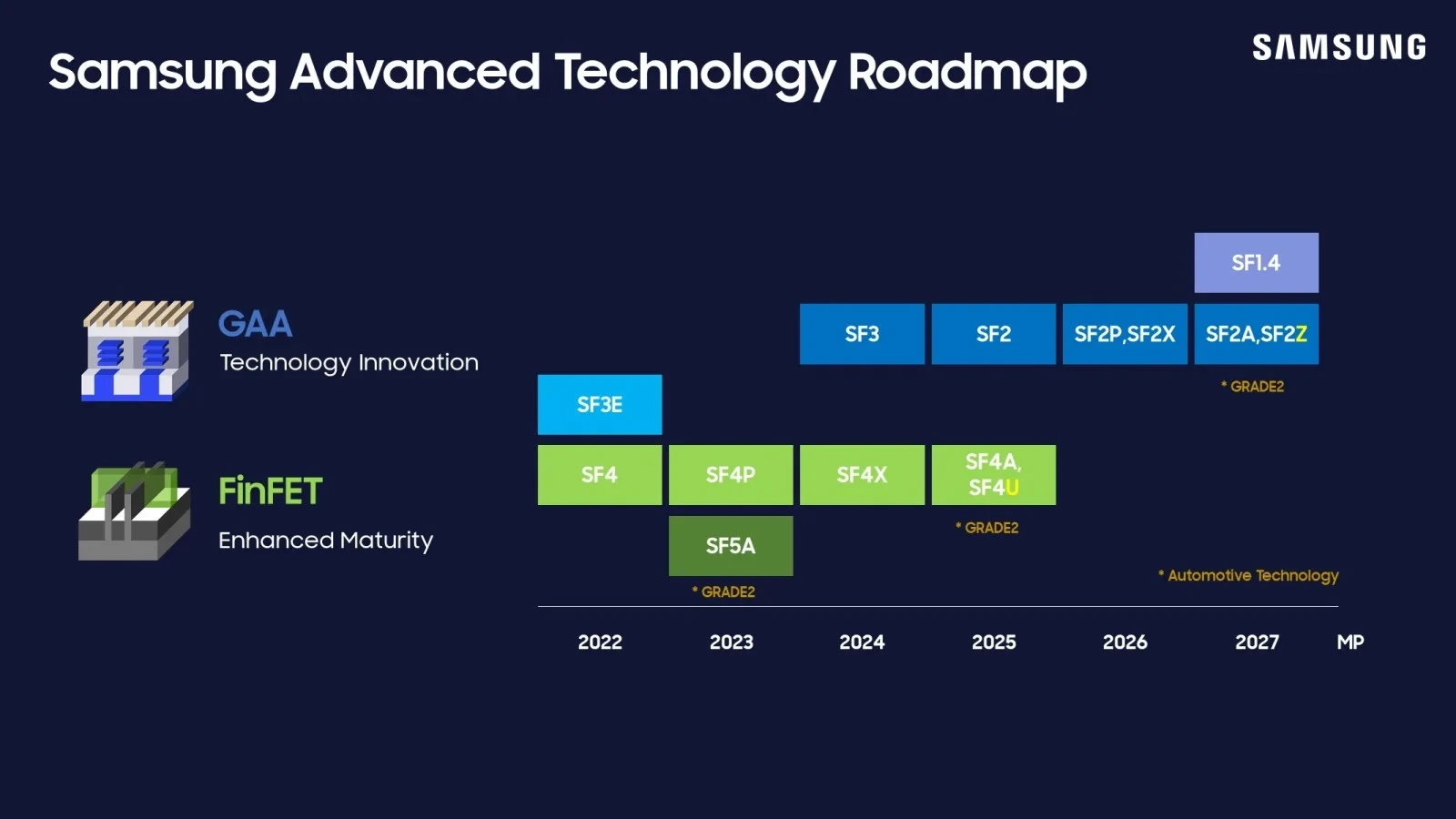
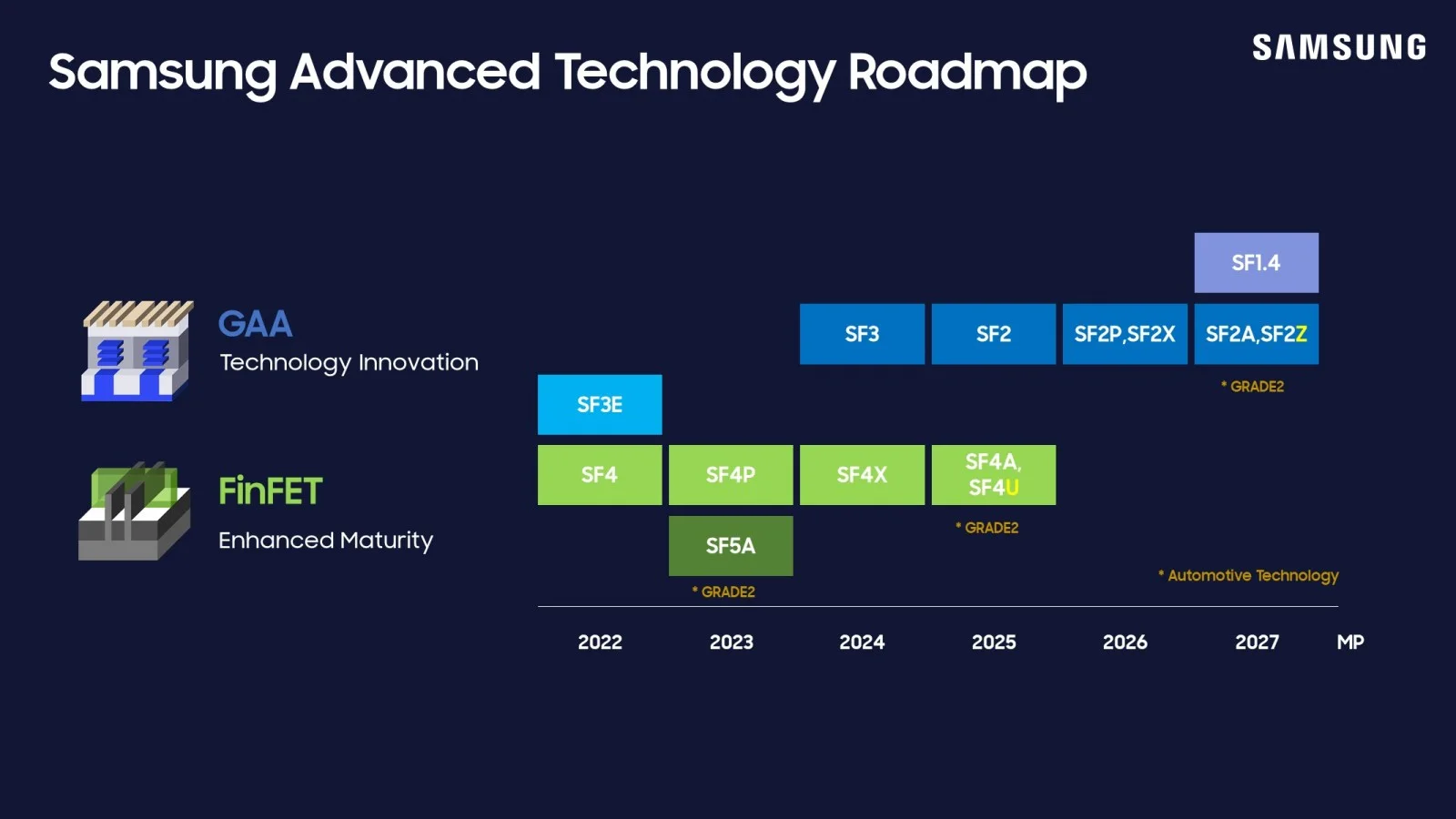
At the heart of the Exynos 2700’s potential success is Samsung Foundry’s cutting-edge fabrication technology. The chipset is being manufactured using Samsung’s second-generation 2nm Gate-All-Around (GAA) process, officially designated as SF2P. This represents a significant technological leap forward from the first-generation 2nm node, known simply as SF2, which laid the groundwork for Samsung’s sub-3nm ambitions.
According to technical specifications, the SF2P node delivers a 12 percent increase in overall processing performance while simultaneously reducing power consumption by 25 percent compared to the previous generation. Additionally, the advanced fabrication process allows for an 8 percent reduction in the physical chip area. This reduction in size is particularly valuable for modern smartphone design, as it enables tighter integration of components on the mainboard, leaving more physical space for other critical hardware, such as larger battery packs or improved cooling systems.
On an architectural level, the Exynos 2700 is expected to integrate Arm’s latest C2 CPU cores. This marks a direct generational upgrade from the Arm C1 cores utilized in the Exynos 2600. The transition to the newer core design is anticipated to yield substantial improvements in instructions per clock (IPC), multi-threaded efficiency, and advanced artificial intelligence processing workloads, which have become a cornerstone of modern flagship smartphones.
Early internal testing data has already begun to surface, painting an intriguing picture of the competitive landscape. In multi-core configurations on the popular benchmarking platform Geekbench, the Exynos 2700 reportedly outpaced Qualcomm’s Snapdragon 8 Elite Extreme Gen 6 by approximately 9.5 percent. This multi-core dominance suggests that Samsung’s 2nm design and GAA architecture are highly effective at distributing heavy, parallelized workloads across its core clusters, which could translate to superior performance in multitasking, video editing, and modern mobile gaming.
However, the story is different in single-core evaluations, where Qualcomm’s custom core architecture continues to maintain a performance advantage. Single-core performance remains a vital metric for daily device responsiveness, user interface fluidity, and instantaneous application launching, meaning Samsung still faces a challenge in convincing performance-focused enthusiasts of the Exynos’s superiority.
The timing of this mass production launch is highly strategic. In the semiconductor industry, the journey from initial wafer fabrication and packaging to the assembly of a market-ready retail device typically spans a window of three to four months. Given that mass production has officially commenced, this timeline aligns perfectly with Samsung’s historical release schedule. Industry observers expect the Galaxy S27 series to make its official debut in February or March, allowing Samsung to enter the new year with a fresh batch of highly competitive hardware.
Ultimately, the success of the Exynos 2700 and the final decision regarding the Galaxy S27 Ultra will serve as a major litmus test for Samsung’s dual-track strategy. If the Exynos 2700 delivers on its technical promises of superior multi-core performance, reduced power draw, and stable thermals under the SF2P node, it could pave the way for a more self-reliant future for Samsung’s mobile division, reshaping the competitive dynamics of the global smartphone processor market.