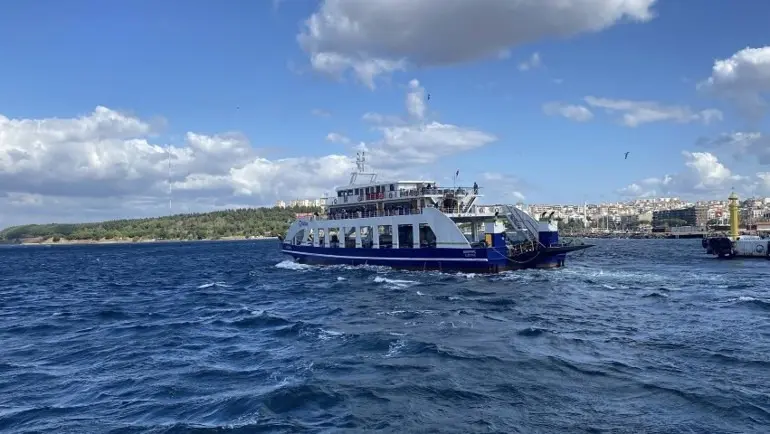
ÇANAKKALE, Turkey — Severe weather conditions in the Northern Aegean Sea have disrupted maritime transportation, forcing regional authorities to suspend crucial ferry operations linking mainland Turkey with its prominent offshore islands. Public transit operator GESTAŞ announced that all scheduled ferry services between mainland Çanakkale and the islands of Gökçeada and Bozcaada have been canceled due to an impending gale-force storm predicted to create hazardous sea conditions.
The preemptive decision affects key maritime routes that serve as the sole surface transport lifelines for residents, logistics providers, and visitors traveling to and from the islands. According to official notifications released by GESTAŞ, the cancellation encompasses all scheduled departures along the Kabatepe–Gökçeada and Geyikli–Bozcaada lines.
Severe Weather Hits Northern Aegean Maritime Networks
The Northern Aegean region regularly experiences severe atmospheric pressure shifts during seasonal transitions, producing high winds and treacherous swells. When strong weather fronts move across the Dardanelles and the surrounding open seas, navigating shallow coastal channels and docking large roll-on/roll-off (Ro-Ro) passenger vessels becomes hazardous.
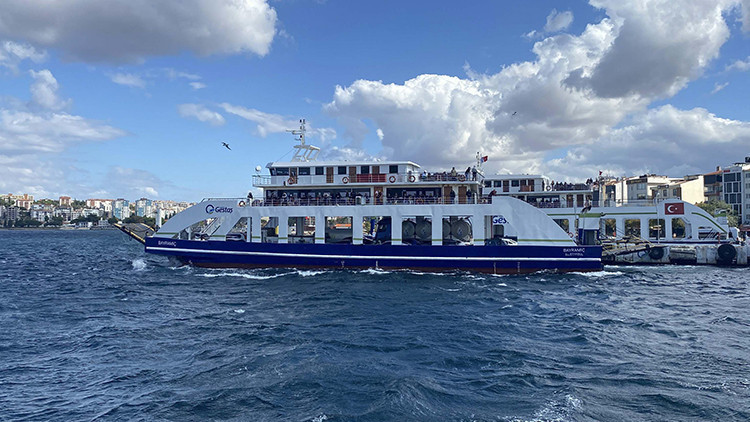
In response to meteorological warnings detailing dangerous wind speeds and deteriorating sea conditions, GESTAŞ issued a public safety advisory confirming the total suspension of operations across both major island routes. The company stated that the temporary halt was instituted to ensure the safety of passengers, vehicle drivers, and vessel crews, as current forecasts indicate that wave heights and wind gusts will exceed acceptable operational thresholds.
The primary routes impacted by the grounding order include:
- The Kabatepe–Gökçeada Line: Connecting the Gallipoli Peninsula at Kabatepe Port to Kuzu Limanı on Gökçeada, Turkey’s largest island.
- The Geyikli–Bozcaada Line: Linking the mainland port of Geyikli in the Ezine district of Çanakkale to the historic island port of Bozcaada.
Both passages require vessels to cross open maritime areas that are particularly susceptible to heavy seas when winds sweep south and southwest from the sea channels or roar out of the northeast.
Crucial Maritime Lifelines Severed by Open-Sea Swells
The suspension of ferry operations highlights the inherent geographic vulnerabilities of island communities in the Aegean Sea. Gökçeada and Bozcaada depend entirely on sea transport for daily connections to the mainland. Unlike coastal destinations serviced by bridges or causeways, these islands rely on regular ferry crossings for everything from daily mail and fresh produce deliveries to commercial freight and commuter transit.
Gökçeada, located near the entrance of the Çanakkale Strait (Dardanelles), covers an area of over 280 square kilometers. Its distance from the mainland port of Kabatepe leaves vessels exposed to unshielded sea swells generated across open waters. The crossing, which typically takes roughly 1 hour and 15 minutes under normal weather conditions, becomes exceptionally hazardous during gale conditions, as heavy swells make maneuvering into Kuzu Limanı challenging for heavy car ferries.
Bozcaada, situated further south near the ancient Troad region, lies closer to the mainland, with the crossing from Geyikli taking approximately 35 minutes. However, the narrow channel separating Bozcaada from the mainland acts as a wind funnel during major atmospheric storms. The exposed docking facilities on both sides make berthing operations dangerous when high winds push ships against pier structures or pull them away during loading procedures.
When GESTAŞ cancels service on these lines, the movement of private vehicles, commercial trucks, and foot passengers comes to a complete standstill. Island municipalities and local businesses often must adjust operational schedules, conserve perishables, and prepare for temporary isolation until weather systems dissipate and maritime authorities issue clearance.
Operational Standards and Safety Protocols at GESTAŞ
As the principal maritime transport enterprise in the province, GESTAŞ Deniz Ulaşım A.Ş. operates an extensive fleet of passenger and vehicle ferries across the Çanakkale Strait and island routes. Operating under the umbrella of the Çanakkale Special Provincial Administration, the company adheres to strict maritime safety protocols established by national harbor authorities and international maritime safety regulations.

The decision to cancel ferry departures is governed by specific physical metrics, including:
- Sustained Wind Speeds: Gusts exceeding safe operating limits for high-profile car ferries, which can act as sails under high wind resistance.
- Wave Height and Period: Heavy ocean swells in the Northern Aegean that reduce vessel stability and increase pitching and rolling.
- Docking Safety: Extreme wave action at un sheltered breakwaters, which increases the risk of structural collisions between landing ramps and vessel hulls.
- Visibility and Precipitation: Dense fog or torrential rain that limits navigational safety in high-density maritime transit corridors near the Dardanelles.
When forecasts explicitly indicate conditions surpassing these thresholds, maritime operators issue early notices to allow travelers to alter their schedules before getting stranded at mainland terminals like Kabatepe or Geyikli, where overnight waiting facilities are limited compared to larger urban hubs.
Impact on Local Communities, Commerce, and Emergency Services
The cancellation of ferry services immediately cascades through the socio-economic life of both islands. Local businesses—ranging from agriculture and fishing enterprises to hospitality and food services—rely on predictable ferry schedules to maintain inventory and move goods to mainland markets.
For residents, ferry disruptions affect routine medical appointments on the mainland, educational travel, and professional commutes. While routine travel halts during storm cancellations, emergency procedures remain in place for critical situations. In cases of acute medical emergencies where ferry transit is impossible due to grounded ships, regional emergency medical services coordinate with the Turkish Coast Guard or dispatch air ambulance helicopters if flight conditions permit.

The hospitality sector in Bozcaada and Gökçeada, which attracts year-round weekend travelers and seasonal tourists, also experiences immediate logistical challenges. Visitors stranded on the islands must extend their stays until maritime routes reopen, while prospective travelers on the mainland must cancel or reschedule their bookings. Local hotel owners and municipal officials routinely assist stranded travelers during severe storm events, coordinating accommodation and providing updates on marine forecasts.
Weather Dynamics in the Northern Aegean Corridor
The waters surrounding Çanakkale represent a dynamic meteorological crossroads where atmospheric systems from the Black Sea, Balkan peninsula, and Mediterranean Sea intersect. Autumn and winter months frequently bring rapid weather shifts characterized by powerful wind systems.
The most common severe weather phenomena in the region include the Poyraz—a cold, strong northeasterly wind—and the Lodos—a warm, violent southwesterly gale. The Lodos, in particular, is notorious among Aegean mariners for creating sudden, violent sea swells and heavy surges that push waters toward coastal ports, making harbor entry hazardous.
Because the Çanakkale Strait serves as a vital international shipping lane connecting the Mediterranean to the Sea of Marmara and the Black Sea, severe weather impacts not only local domestic ferries but also international maritime traffic. Large commercial vessels, container ships, and tankers often alter speeds or drop anchor in designated roadsteads during major Aegean storms, waiting out the heavy weather alongside local ferry fleets.

Passenger Travel Guidance and Next Steps
GESTAŞ has advised all passengers, commercial transport operators, and tourists planning to travel between Çanakkale, Gökçeada, and Bozcaada to monitor official communication channels for real-time updates regarding service restorations.
Travelers holding advance reservations or ticket bookings for the canceled sailings are typically provided options to rebook for subsequent available departures or obtain refunds in accordance with company policy. Harbor master offices in Kabatepe, Geyikli, Gökçeada, and Bozcaada will continue to evaluate localized meteorological data throughout the storm period.
Operations are expected to resume once wind speeds diminish and sea states return to safe operating parameters, allowing GESTAŞ vessels to safely navigate the channels and secure docking at mainland and island piers.