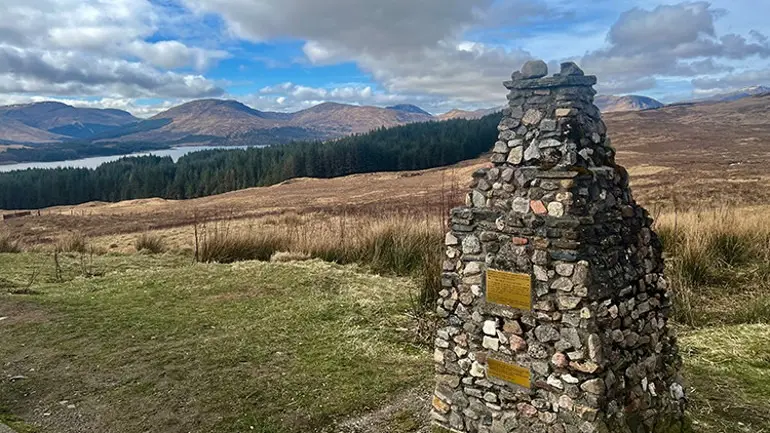
MUNICH — Scotland in autumn unveils a landscape transformed by shifting light, lingering valley mists, and the brilliant arcs of frequent rainbows. From its jagged mountain peaks and deep glacial lochs to its stone castles and unpredictable weather, the country offers an experience unmatched anywhere else on Earth. Beyond its raw physical geography, Scotland’s identity remains deeply intertwined with centuries of conflict with England, an enduring clan culture, the echoes of bagpipes, traditional kilts, and world-renowned scotch whisky.
To truly absorb this unique atmosphere, there is no substitute for embarking on an extensive overland journey. Setting out from the historic capital of Edinburgh, a clockwise circuit stretching across approximately 2,000 kilometers reveals the mystical spirit of the Scottish Highlands wrapped in the breathtaking colors of fall.
Loch Lomond and the Contrasts of Luss
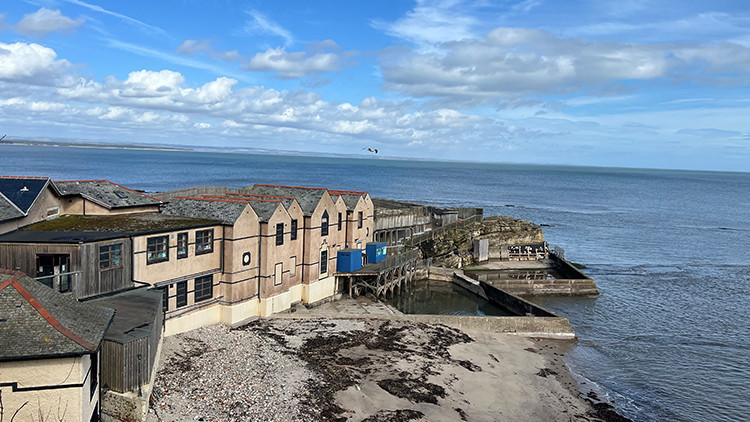
After spending two days exploring the historic streets of Edinburgh, the journey turned northward toward the rugged expanse of Great Britain’s upper reaches. The first major landmark along the route was Loch Lomond and The Trossachs National Park, a vast protected area covering nearly 2,000 square kilometers that serves as a cherished natural retreat. Renowned for its abundant trout and salmon populations, this sprawling body of water is a haven for both hikers and angling enthusiasts.
Navigating through Scotland, however, requires a constant awareness of volatile weather patterns and the practical necessity of always having a contingency plan. Upon reaching the southern shore of Loch Lomond, a sudden onset of rain and low-hanging clouds swept across the landscape. Within minutes, the 40-kilometer-long lake was almost entirely blanketed in dense mist.

Despite the obscured views over the water, the small village of Luss, situated on the loch’s western bank, provided a striking display of resilience against the overcast sky. The village’s quaint cottages, constructed from brownish-grey sandstone, featured front gardens filled with vibrant, colorful blossoms. This vivid floral display created a brilliant visual contrast against the muted slate sky and the shrouded mountains in the background. Standing at the edge of the village pier, the view offered a memorable introduction to the dramatic mood swings of the Scottish climate.
Oban: The Bustling Gateway to the Hebrides
Continuing along the journey, the route led to Oban, a lively coastal town with a population of approximately 8,500. Oban serves as a vital transit hub for the western coast, offering regular ferry connections to the Hebridean islands, including Mull, Barra, and Colonsay.

Despite its significance as a port, Oban remains compact and easily navigable on foot. The heart of the town centers around its active harbor district, reached by wandering through narrow streets lined with small art galleries and local shops. Along the waterfront quay, the air carries the distinct scent of fresh seafood. Looking back from the pier toward the town’s skyline, two dominant landmarks command attention: the historic Oban Distillery and the prominent McCaig’s Tower. Designed to resemble the Colosseum in Rome, this 19th-century granite monument features 94 arches and sits atop Battery Hill like a stone crown overlooking the bay.
Glencoe: The Majestic Beauty of the "Glen of Weeping"
Driving northeast from Oban, the road enters Glencoe, universally recognized as one of Scotland’s most breathtaking natural wonderlands. Defined by towering mountain slopes, narrow rock passes, cascading waterfalls, and the winding path of the River Coe, the valley possesses a cinematic grandiosity. Unsurprisingly, this dramatic backdrop has served as a filming location for major cinematic productions, including Braveheart, Highlander, and the Harry Potter series.

Yet behind Glencoe’s awe-inspiring scenery lies a deeply solemn history. Known traditionally as the "Glen of Weeping," the valley was the site of a treacherous massacre in the late 17th century, when members of Clan Campbell turned against their hosts, Clan MacDonald.
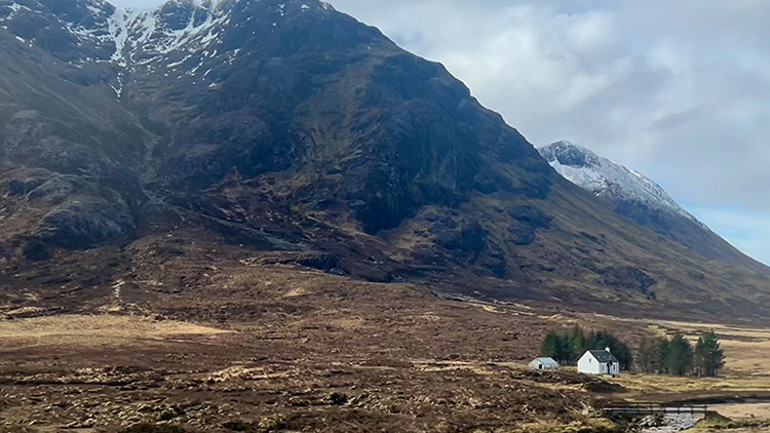
Positioned in the shadow of these looming peaks stands an iconic structure known globally as the "Wee White House." Standing isolated against the formidable backdrop of Buachaille Etive Mòr—a massive, pyramid-shaped mountain—and situated near the River Coupall, the cottage’s official name is the Lagangarbh Hut. Visible directly from the A82 highway, this modest white structure offers one of the most photographed and poignant visual scenes in the Highlands.
Fort William and the Ruins of Old Inverlochy
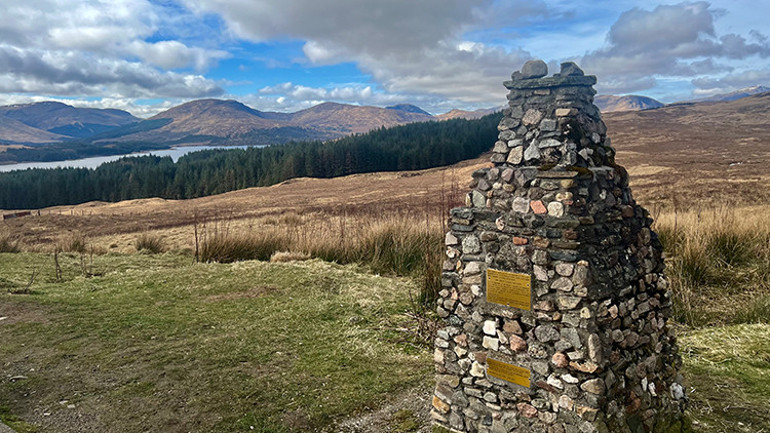
Further along the northern trail lies Fort William, a busy hub nestled at the foot of Ben Nevis, the highest peak in the British Isles. The town also marks the northern terminus of the famous 165-kilometer West Highland Way walking route.
When heavy downpours rendered an ascent up Ben Nevis unsafe, shifting plans led instead to the nearby ruins of Old Inverlochy Castle. Dating back to the 13th century, this ancient stronghold played a pivotal role in Scotland’s turbulent military history. Although much of the structure now stands in ruins, its thick stone walls and enduring towers offer visitors a quiet, reflective pause to contemplate the centuries of conflict that shaped the region.
In the Footsteps of the Hogwarts Express: Glenfinnan Viaduct
Located roughly 30 minutes west of Fort William, Glenfinnan holds a magnetic appeal for cinema enthusiasts and fans of the wizarding world. Here, the impressive Glenfinnan Viaduct spans a lush, green valley. Measuring approximately 380 meters in length and supported by 21 soaring concrete arches, the landmark continues to carry regular rail traffic, including the historic Jacobite steam train made famous as the Hogwarts Express.
Reaching the primary viewing area requires a brief five-minute walk from the visitor center. However, travelers seeking shelter from periodic rain showers beneath the viaduct’s arches should be prepared for one of Scotland’s most persistent summer and autumn nuisances: swarms of tiny biting midges. For those who ascend the walking trails leading into the surrounding hills, the effort is rewarded with a quintessential Scottish view framing the viaduct, the historic Glenfinnan Monument, and the still waters of Loch Shiel in a single frame.
Eilean Donan: Scotland’s Most Photographed Stronghold
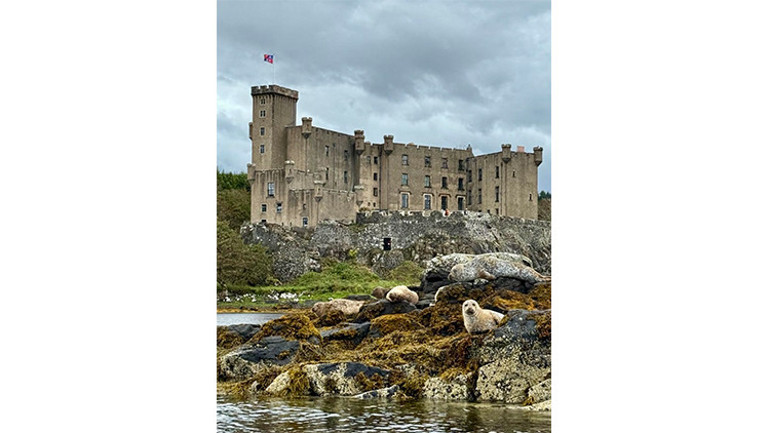
Before crossing over to the Isle of Skye, the route passes Eilean Donan Castle, arguably the most iconic fort in the country. Situated on a small tidal island where three sea lochs meet—including Loch Duich—the castle is connected to the mainland by an arched stone footbridge. During high tide, the surrounding water isolates the stone fortress, creating a fairytale setting.
With origins dating back to 1220, Eilean Donan has undergone extensive and meticulous restoration. Inside, fully furnished banqueting halls, medieval sleeping quarters, and detailed kitchen quarters provide a vivid glimpse into the daily life and defense operations of a historic Highland castle.
The Isle of Skye: Rapidly Shifting Landscapes
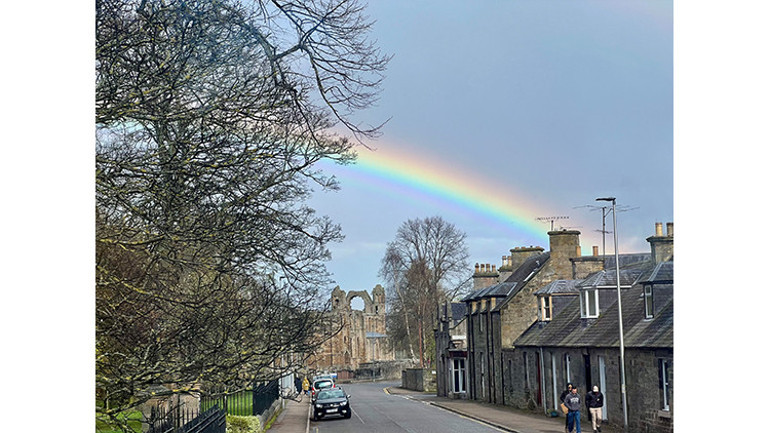
Crossing the Skye Bridge brings travelers onto the Isle of Skye, a island renowned for its mystical glens, whisky heritage, and famously volatile weather. Skye’s microclimates mean conditions can shift dramatically across short distances; while brilliant sunshine may illuminate one corner of the island, torrential rain and dense fog can envelop a valley just a few miles away. During the journey, the southern Cuillin Hills remained completely obscured by low clouds, while the northern peninsula basked in clear skies.
Portree, the island’s primary town, serves as a peaceful haven with its row of pastel-colored harborside houses, seafood eateries, and bustling marina. Beyond Portree, Skye harbors several of Scotland’s most spectacular natural highlights:
- Old Man of Storr: A famous geological feature marked by towering basalt pinnacles. Reaching the base of the rock formations involves a popular hiking trail covering roughly 4 kilometers round-trip from the designated parking area.
- Lealt Falls: A dramatic, easily accessible waterfall plunging into a steep ravine, making it a convenient stop along the eastern coastal road.
- Kilt Rock and Mealt Falls: Formed 60 million years ago through volcanic activity, these towering sea cliffs resemble the pleats of a Scottish kilt. The site, which features preserved dinosaur footprints in nearby rock layers, sees the waters of Mealt Falls plunge directly off the cliff edge into the sea below.
Chasing Legends at Loch Ness
Leaving Skye behind and returning to the mainland, the final major leg of the journey led to the deep waters of Loch Ness. World-famous for the enduring legend of "Nessie," the elusive lake monster, this massive glacial loch commands an aura of mystery.
A boat tour across the dark, peat-stained waters highlights the sheer depth and scale of the lake. While scientific evidence of a prehistoric creature remains nonexistent, the nearby village of Drumnadrochit has fully embraced the myth, offering monster-themed exhibitions, visitor centers, and souvenir shops that provide a lighthearted finish to the Highland journey.
Practical Essentials for Highland Travelers
Navigating the Scottish Highlands—the sparsely populated, mountainous northern and western reaches of the country—requires thoughtful preparation regardless of the season.
- Transportation and Duration: Renting a vehicle or booking an organized tour is essential to access remote areas. A minimum of five days should be allocated to complete a meaningful circuit.
- Driving Times: Distances on a map can be deceiving. Single-lane roads, sharp bends, and passing places mean that a 100-kilometer drive in the Highlands often takes significantly longer than expected.
- Weather and Gear: Waterproof outerwear, sturdy waterproof footwear, and layered warm clothing are imperative year-round. Pack a G-type power adapter (the standard UK three-prong plug) for electronic devices.
- Accommodation Expectations: Many rural accommodations in the Highlands operate as "lodges" or traditional guest houses, which may feature shared bathroom facilities. Travelers seeking high-end luxury should research and reserve specialized bookings well in advance.
- Cultural Excursions: For those with extra room in their itinerary, reserving a day for an authentic single-malt scotch whisky distillery tour offers valuable insight into one of Scotland’s most cherished cultural traditions.