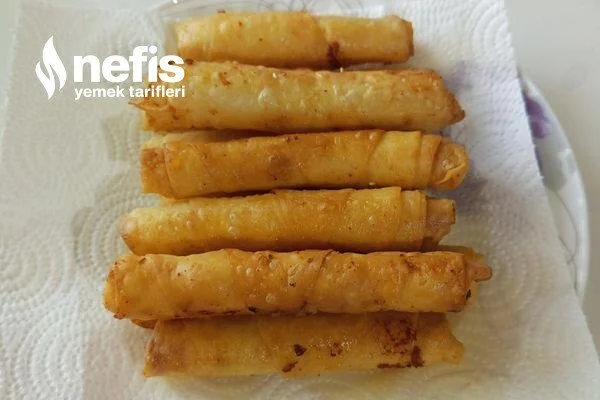
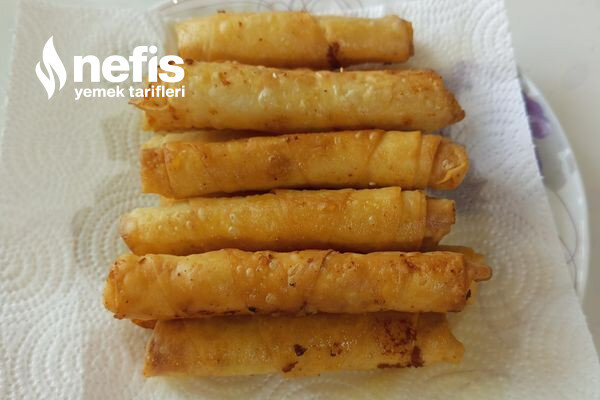
Few culinary creations capture the warmth and communal spirit of a traditional Turkish breakfast quite like the sigara böreği. Known for its distinct cylindrical shape—which historically lent it the name "cigarette pastry"—this golden, crispy delicacy remains a cornerstone of morning gatherings, family breakfasts, and afternoon tea tables across Turkey and beyond. Recently, a specific rendition shared by culinary enthusiast Fatma on the popular platform Nefis Yemek Tarifleri has drawn renewed attention, highlighting the timeless appeal and meticulous craftsmanship required to perfect this beloved staple.
Rooted in centuries of Ottoman and Anatolian culinary heritage, pastry-making occupies a sacred space in Turkish domestic culture. The art of working with yufka—the paper-thin, unleavened wheat dough sheets essential to many regional dishes—requires both precision and patience. While modern home cooks often seek convenience through pre-packaged ingredients, the cultural expectation of delivering a flaky exterior paired with a rich, savory filling remains uncompromising. Fatma’s recipe, titled "Çıtır Çıtır Peynirli Sigara Böreği Tarifim" (My Crispy Cheesy Cigarette Böreği Recipe), taps into this exact sentiment, resonating with a community of food enthusiasts dedicated to preserving authentic textures and flavors.
The cultural significance of the dish extends far beyond its ingredients. In Turkish households, the preparation of börek is frequently a social activity, with family members gathering around a kitchen table to roll dozens of tightly packed pastries before frying or baking them. The ideal sigara böreği achieves a delicate balance: the exterior must shatter crisply at the first bite, giving way to a hot, melting interior typically composed of salty white cheese, such as beyaz peynir or curd cheese, combined with fresh parsley.
While the core recipe relies on a straightforward combination of dough, cheese, and fat for frying, individual variations often feature subtle adjustments to the internal binding mixture or the specific emulsion used to seal the edges of the pastry. In professional and home kitchens alike, the technique of rolling the triangular sheets of yufka tightly ensures that the cheese remains securely enclosed during the high-heat cooking process, preventing leaks and preserving the iconic slender shape.
The enduring popularity of such recipes on digital platforms illustrates how traditional Turkish gastronomy continues to adapt to the digital age. Culinary forums and recipe-sharing websites have transformed how regional knowledge is transmitted, allowing home cooks to exchange tips on achieving the ultimate crunch, managing oil temperatures, and sourcing the finest dairy products. Recipes that accumulate hundreds of bookmarks and user photographs—as seen with this particular creation—serve as living archives of contemporary domestic cooking habits.
Beyond the technical aspects of frying and rolling, dishes like the sigara böreği carry profound emotional resonance. In her commentary accompanying the recipe, the author invokes traditional sentiments of gratitude, wishing abundance for readers’ tables and peace for their homes. This blending of culinary instruction with cultural and spiritual well-being reflects the deeper philosophy of the Turkish table, where sharing food is viewed as an act of hospitality and communal bonding.
As food trends cycle through complex innovations and modern fusion styles, the persistent demand for classic breakfast items demonstrates that foundational comfort foods retain a powerful hold on the public imagination. Whether served alongside freshly brewed black tea, sliced cucumbers, and olives during a leisurely weekend breakfast or prepared as a quick appetizer for unexpected guests, the crispy cheese sigara böreği remains an undisputed masterclass in simplicity, texture, and flavor.