A comprehensive global research study conducted by hospitality leader Hilton in partnership with data intelligence firm Morning Consult has shed light on the evolving preferences and behaviors of international travelers looking ahead to 2027. Drawing from insights gathered across 14 countries and surveying more than 14,000 travel enthusiasts—including a significant demographic from Turkey—the newly released 2027 Trend Report outlines a profound evolution in consumer mindset. Today’s travelers are moving away from standardized, generic itineraries in favor of deeply personalized, intentional, and restorative travel experiences designed to align with their specific personal values and wellbeing goals.
Evaluating the findings of the extensive survey, Simon Vincent CBE, Executive Vice President and President for Europe, Middle East, and Africa (EMEA) at Hilton, emphasized that vacationers are fundamentally re-evaluating how they spend their time away from home. According to Vincent, individuals are placing a far higher premium on the intrinsic quality of their leisure time, prioritizing meaningful engagement over rigid travel checklists.
"Travelers are now focused on making the time they spend away much more meaningful and qualitative," Vincent stated regarding the report’s conclusions. "Instead of chasing a ‘one-size-fits-all’ perfect vacation concept, they are looking for experiences that reflect their own interests and priorities."
The "Trust Equation": Balancing Artificial Intelligence, Human Expertise, and Brand Loyalty
The 2027 Trend Report highlights that as digital tools and artificial intelligence become seamlessly integrated into everyday life, trust has emerged as the single most critical factor in holiday planning. Today’s vacationers navigate a multi-faceted decision-making process that balances emerging technology, word-of-mouth recommendations, and established hospitality brand programs.
This dynamic has created what the report terms a new "Trust Equation" in the travel ecosystem. Within this framework, artificial intelligence serves to streamline and accelerate the initial discovery phase, human expertise supplies confidence and emotional reassurance, and brand loyalty programs validate and guarantee the final experience. Rather than relying on a single channel, consumers strategically deploy different resources at distinct stages of their booking journey.
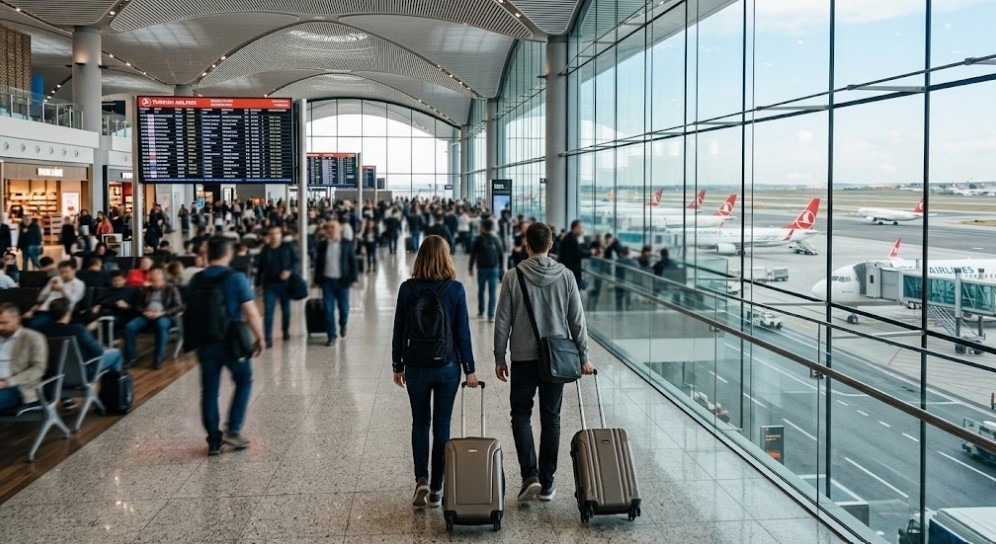
In Turkey, artificial intelligence has gained notable traction as a credible advisor for high-stakes travel decisions. When selecting accommodations, Turkish travelers exhibit a remarkable degree of confidence in automated and algorithmic tools. The research reveals that 20% of Turkish respondents place their primary trust in AI-driven tools when choosing a hotel.
This metric places artificial intelligence on equal footing with recommendations from family members, which also stands at 20%. Furthermore, trust in AI technology among Turkish consumers has surpassed traditional word-of-mouth advice from friends, which accounted for 15% of responses. This shift underscores a growing willingness among consumers to rely on data-driven personalization to guide complex hospitality choices.
The Rise of Purposeful Solo Travel and Self-Discovery
Another major trend highlighted in the Hilton report is the steady rise of solo travel, driven by a desire for self-improvement, mental clarity, and personal autonomy. Rather than viewing solo trips merely as an alternative to group travel, consumers are increasingly choosing to travel alone as a deliberate strategy for personal growth.
Turkish travelers are leading this global movement toward intentional solo exploration. Among Turkish respondents who plan to embark on a solo journey within the next 12 months, 39% cited "dedicating time to personal growth and self-evaluation" as their main motivation. This proportion places Turkey at the top of the global rankings for self-development-focused solo travel, outpacing major markets such as South Korea (34%) and India (33%).
In addition to personal growth, the desire for rest and recovery is a primary driver for independent trips. The report indicates that 51% of Turkish solo travelers choose to travel alone specifically to "rest and recharge." On this metric, Turkey ranks second globally, positioned just behind Japan, where 55% of respondents prioritize solo travel for rest and rejuvenation. These findings point to a broader cultural shift wherein solo travel is increasingly viewed as an essential practice for maintaining personal wellbeing and managing modern life stress.

Defining Vacation Success Through Quality Accommodations and Rejuvenation
The research also reassesses how consumers define a successful vacation. Rather than measuring a trip by the number of attractions visited or activities completed, travelers are increasingly focusing on how they feel upon returning home.
When asked to identify the key indicators of a successful holiday, 58% of Turkish respondents stated that "returning home feeling more rested and refreshed" was their ultimate goal. With this figure, Turkey shares the top tier of global rankings alongside South Korea, both following closely behind Japan, where 65% of travelers view physical and mental rejuvenation as the primary goal of their trips.
At the same time, the quality of accommodations plays a decisive role in shaping the overall trip experience. According to the data, 40% of Turkish travelers consider "staying in a great hotel" to be a fundamental benchmark of a successful trip. This strong focus on high-quality hospitality aligns Turkey with other hotel-centric travel markets globally, including the United Kingdom (43%), Saudi Arabia (41%), and Japan (41%). For these travelers, the hotel is no longer merely a place to sleep, but a central element of the travel experience itself.
Embracing Nature, Clean Air, and Nervous System Recovery
As wellness becomes an increasingly central focus for travelers, the physical environment of a destination has taken on greater importance. The report highlights a growing demand for environments that offer clean air, open landscapes, and opportunities to unplug from dense urban settings.
Among Turkish travelers, 50% identified clean air and spending time outdoors as indispensable elements for achieving true relaxation during a trip. This sentiment places Turkey fifth globally in its emphasis on outdoor wellbeing, trailing behind Latin American markets such as Brazil (54%) and Colombia (52%).

Furthermore, the search for wellness extends beyond basic outdoor relaxation into deeper physical and mental recovery. The report reveals that 40% of Turkish respondents actively seek out travel experiences specifically designed to soothe their nervous system and calm their body. Whether through quiet nature retreats, tailored wellness programs, or low-stimulation environments, travelers are increasingly viewing holidays as an opportunity to counteract the physical and mental tolls of modern life.
Quality Over Quick Escapes: The Shift Toward Extended Stays
The 2027 Trend Report also details notable shifts in trip duration and travel frequency. Globally, approximately one-third of travelers who intend to increase their travel frequency over the coming year plan to do so through a balanced mix of short weekend breaks and longer extended vacations.
However, Turkish travel patterns diverge significantly from this global average. Among Turkish respondents planning to travel more frequently over the next 12 months, 54% express a clear preference for longer, extended stays. This puts Turkey at the top of global rankings for long-duration travel preferences.
Rather than opting for frequent, quick weekend escapes, Turkish travelers are prioritizing longer periods away from home to maximize the depth and restorative value of their trips. By choosing extended stays over fragmented getaways, travelers aim to immerse themselves more fully in their surroundings, settle into a slower pace, and secure a greater return on their investment of time and resources.
Taken together, the findings from Hilton’s 2027 Trend Research illustrate a broader evolution in the global travel landscape. From the integration of artificial intelligence in hotel selection to the rising preference for restorative solo journeys and extended stays, travelers are approaching their trips with greater intention. As the sector moves toward 2027, success for hospitality providers will increasingly depend on delivering personalized, high-quality, and authentic experiences that fulfill these changing consumer priorities.