ANKARA — In a development described by security officials as a historic turning point for regional stability and domestic peace, the PKK/KCK has begun evacuating several of its long-held strongholds in northern Iraq. According to information obtained from high-level security sources on October 12, 2026, the terrorist organization vacated four key shelter areas in the Metina region as of October 8, 2026. The move is seen as a tangible result of the ongoing "Terror-Free Turkey" process, a multi-dimensional state strategy aimed at ending decades of conflict and fostering a renewed sense of national unity.
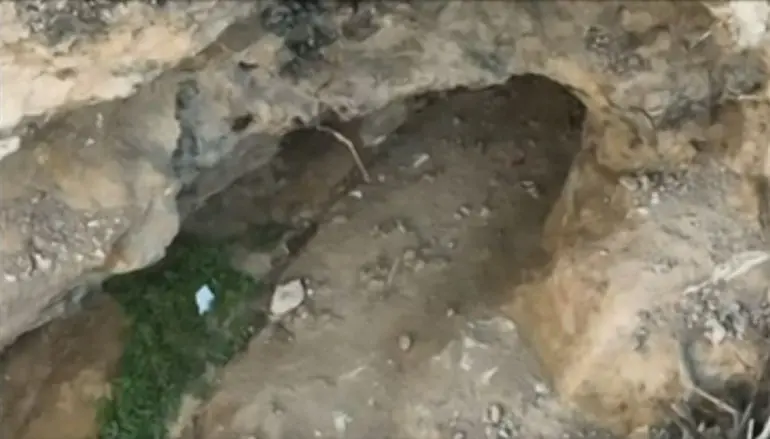
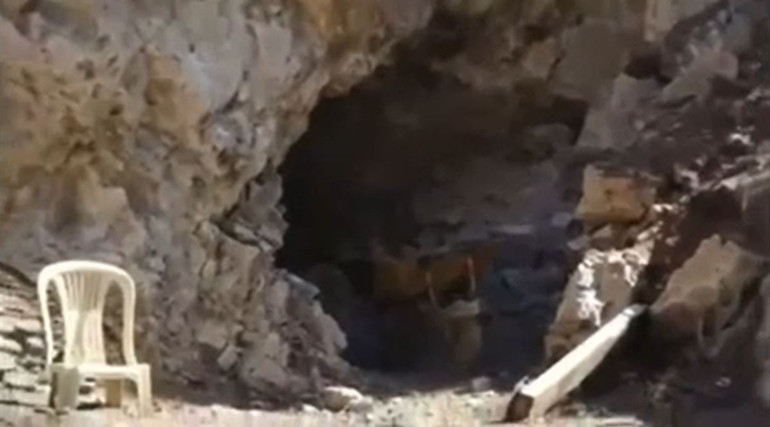
The evacuation specifically targeted the Hebat, Yajk, Sabri, and Sason shelter areas, all located within the Baze region of Metina. These sites have historically served as strategic points for the organization’s logistics and presence in northern Iraq. Their abandonment follows a period of intense diplomatic, legal, and security-related pressure exerted through the "Strengthening National Solidarity and Social Integration" vision, a comprehensive framework designed to resolve the terror issue through a combination of firm state authority and social reconciliation.
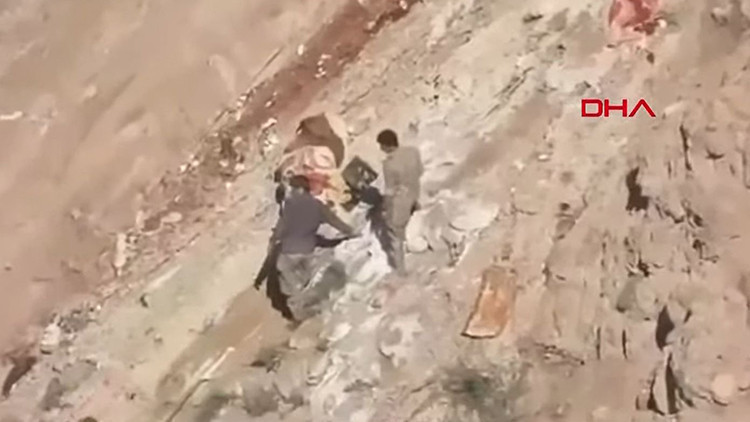
Security sources emphasize that this development is not merely a tactical withdrawal but a clear indicator of the determination behind the government’s current trajectory. The process, which seeks to reinforce the historical bonds of Turkish-Kurdish brotherhood, is being managed with a "no-compromise" approach regarding national security, while simultaneously opening doors for those who wish to reintegrate into society under the rule of law.
The Strategic Significance of the Metina Evacuations
The Metina region, characterized by its rugged terrain and proximity to the Turkish border, has long been a focal point for security operations. The evacuation of the Hebat, Yajk, Sabri, and Sason camps marks a significant shift in the operational landscape. Security experts suggest that the vacation of these areas reduces the risk of direct conflict and provides a window for the broader "Terror-Free Turkey" initiative to move into its next phases.
The "Strengthening National Solidarity and Social Integration" vision is being implemented as a holistic state policy. It is built on the premise that a lasting solution requires more than just military success; it demands the creation of an environment where stability is permanent and the social fabric of the country is mended. Sources indicate that the evacuation of these camps is a direct consequence of the steady and resolute implementation of this multi-layered strategy.

As the PKK/KCK ceases its activities across various sectors, the government is preparing for the subsequent stages of the process. This involves the anticipated return of organization members to Turkey, where they will be expected to benefit from specific legal provisions. The ultimate goal is to achieve a broad social consensus, ensuring that those who have not been involved in the most heinous crimes can be integrated back into the national community.
Reintegration Through Social and Economic Programs
A cornerstone of the "Terror-Free Turkey" process is the emphasis on social integration. The government has signaled that the transition will be supported by integrated programs spanning several sectors, most notably education and the economy. These programs are designed to provide a pathway for former members of the organization to transition into civilian life, ensuring they have the tools and opportunities to contribute positively to society.
By focusing on education, the state aims to address the ideological roots of the conflict and provide younger generations with a future defined by opportunity rather than violence. Economically, the vision includes regional development projects that aim to uplift areas previously affected by instability, creating jobs and fostering local industries. Security sources reiterate that these developments are essential for the permanent establishment of domestic peace.

The overarching objective, as stated by security officials, is for all segments of society to live hand-in-hand in peace and tranquility. The vision of Turkish-Kurdish brotherhood is being positioned as the foundation upon which a more prosperous and secure Turkey will be built. Every step taken within this framework is viewed as a harbinger of a more peaceful future that the nation deserves.
The Evolution of the "Terror-Free Turkey" Process
The current developments are the result of a process that has been unfolding for several years, grounded in both political will and a new institutional infrastructure. To understand the significance of the Metina evacuations, it is necessary to look at the chronological development of the initiative.
The Genesis of the Initiative (October 2024):
The process effectively began in October 2024, following a series of historic calls made by Nationalist Movement Party (MHP) Chairman Devlet Bahçeli within the Turkish Grand National Assembly (TBMM). These calls, which emphasized the need for a definitive end to terrorism and a "Terror-Free Turkey," were subsequently supported by President Recep Tayyip Erdoğan and the government. This alignment transformed the initiative from a political proposal into a formal state policy, backed by the full weight of Turkey’s institutional capacity.

The Legal Framework (August 18, 2026):
The legal boundaries of the process were clearly defined by legislation that came into effect on August 18, 2026. This law provides the roadmap for the "Terror-Free Turkey" initiative, balancing the need for reconciliation with the demands of justice. Crucially, the regulation is not a general amnesty. It specifically excludes high-ranking leaders of the organization and individuals who have committed "aggravated crimes," such as intentional homicide. This distinction ensures that those responsible for the most severe acts of violence remain accountable to the law.
The Deferral Mechanism:
One of the most innovative aspects of the 2026 law is the "Deferral Mechanism." Under this system, individuals being prosecuted for membership in a terrorist organization or for providing aid and comfort to such organizations can have their cases deferred for a period of 5 to 10 years. This deferral is contingent upon a confirmation of disarmament and is subject to decisions by the National Security Council (MGK). If the individuals involved do not engage in any criminal activity during this period, their sentences are eventually dropped. This mechanism provides a clear incentive for disarmament while maintaining a period of judicial supervision.
Oversight and Management
To ensure the process remains transparent, effective, and aligned with national security interests, a robust administrative and parliamentary structure has been established.
The Coordination Board:
The coordination of all activities related to the initiative is managed by a high-level board chaired by Vice President Cevdet Yılmaz. This board includes representatives from various ministries and the National Intelligence Organization (MİT). Their role is to oversee the multi-dimensional aspects of the process, from security operations and disarmament to the implementation of social and economic integration programs.
Parliamentary Monitoring Commission:
In addition to executive oversight, a 17-member monitoring commission has been established within the Turkish Grand National Assembly (TBMM). This commission serves as a legislative watchdog, ensuring that the process is conducted in accordance with the law and providing a platform for parliamentary oversight. The inclusion of such a commission highlights the state’s commitment to making the "Terror-Free Turkey" initiative a transparent and inclusive national project.
Looking Toward a Peaceful Horizon
The evacuation of the Hebat, Yajk, Sabri, and Sason camps in Metina is viewed by the Turkish state as a validation of its current strategy. Security sources maintain that as long as the process is pursued with the same level of resolve and institutional coordination, the goal of a country entirely free from the shadow of terrorism is within reach.
The "Milli Dayanışma" (National Solidarity) vision is not just a security policy; it is a long-term investment in the country’s social and political stability. By addressing the legal, economic, and social dimensions of the conflict, the state is attempting to build a foundation for peace that can withstand the tests of time. The developments in northern Iraq are a testament to the fact that the "Terror-Free Turkey" process is moving forward, step by step, toward its ultimate objective: a future where every corner of the country enjoys the fruits of peace, security, and brotherhood.