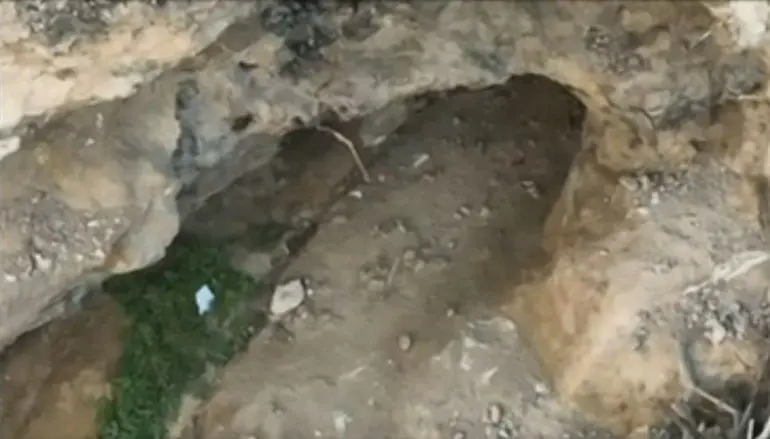
In a development described by regional observers as a historic turning point for regional stability and internal peace, security sources have confirmed a major shift in the ongoing "Terror-Free Turkey" process. As of October 8, 2026, the PKK/KCK terror organization has completely evacuated four significant shelter and operational areas located in the Metina region of northern Iraq. This move is being viewed as a concrete manifestation of the multi-dimensional strategy adopted by the Turkish state to resolve long-standing security challenges while fostering a renewed sense of national unity.
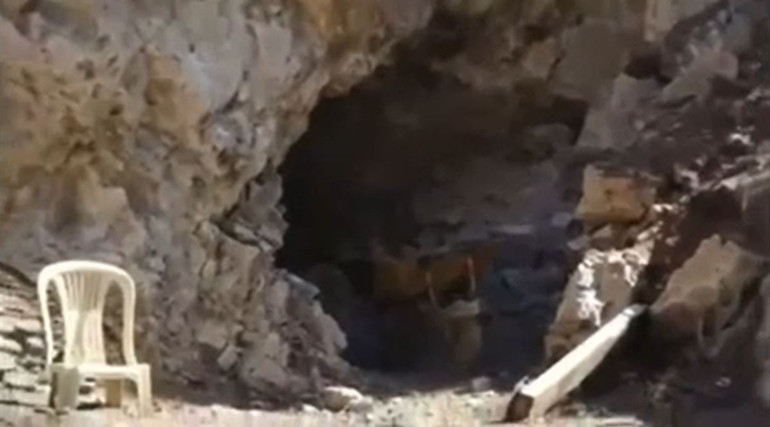
The evacuation of these sites—specifically the Hebat, Yajk, Sabri, and Sason shelter areas within the Baze sub-region of Metina—marks a critical milestone in the "National Solidarity and Strengthening of Social Integration" vision. This initiative, which has been pursued with a policy of zero compromise on national security, aims to permanently dismantle the infrastructure of terrorism while simultaneously building a foundation for lasting Turkish-Kurdish brotherhood.
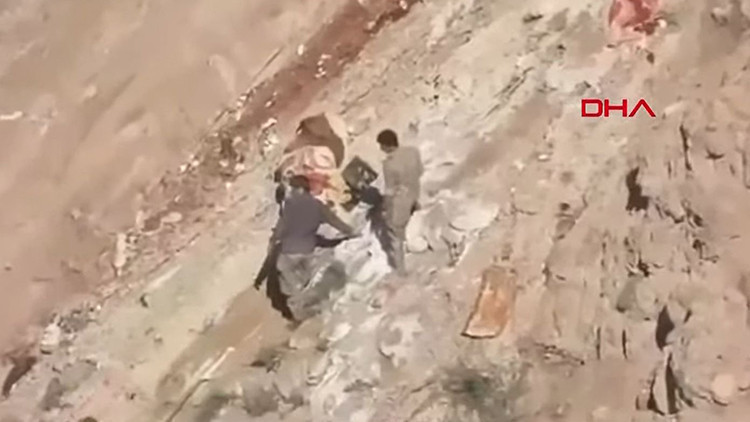
According to information obtained from high-level security sources, the withdrawal from these specific camps was not an isolated event but a coordinated part of a broader effort to eliminate the risk of conflict in areas that have historically posed a direct threat to Turkey’s border security. The successful evacuation of these zones is being presented as a clear indicator that the strategic roadmap laid out by the government is yielding tangible results on the ground.
Strategic Evolution of the ‘Terror-Free Turkey’ Initiative
The current developments are the culmination of a process that began in the autumn of 2024. The "Terror-Free Turkey" process was effectively set in motion in October 2024 following a series of landmark calls made by Nationalist Movement Party (MHP) Chairman Devlet Bahçeli within the Turkish Grand National Assembly (TBMM). These calls, which emphasized the need for a definitive end to the decades-old cycle of violence, were subsequently embraced and supported by President Recep Tayyip Erdoğan.

Since that initial political spark, the initiative has evolved from a series of proposals into a formal state policy. The government’s approach has been described as "multi-dimensional," moving beyond traditional military operations to include legal, social, and economic components. The primary objective remains the total cessation of all PKK/KCK activities across all operational theaters. Security sources emphasize that the evacuation of the Metina camps is a precursor to the next phases of the process, which involve the transition from conflict to social reconciliation.
As the organization vacates its long-held positions in northern Iraq, the focus of the state is shifting toward the management of returning individuals. The vision for the future involves a transition where organization members who have not participated in capital crimes may benefit from existing legal frameworks to return to Turkey. This transition is intended to facilitate a broad social consensus, ensuring that the end of armed conflict leads to a sustainable and harmonious domestic environment.
The Legal and Institutional Framework of the Process

The "Terror-Free Turkey" process is not merely a political ambition but is supported by a robust legal and institutional infrastructure. Central to this is the law that came into effect on August 18, 2026. This legislation provides the specific legal parameters for the reintegration process, clearly defining who is eligible for judicial leniency and who is excluded.
Importantly, officials have stressed that this legal framework does not constitute a general amnesty. The law is designed with strict exclusions to ensure justice for victims of terrorism. Specifically, high-ranking leaders of the terror organization and individuals who have been involved in "intentional killing" or other aggravated crimes are explicitly excluded from the benefits of the new regulations. This distinction is vital to maintaining public trust and ensuring that the process adheres to the principles of the rule of law.
For those who do qualify under the law—primarily rank-and-file members or those charged with membership and assistance without direct involvement in violent killings—a sophisticated "deferment mechanism" has been established. Under this system, the legal cases of these individuals are deferred for a period of five to ten years. This deferment is contingent upon the confirmation of total disarmament and is overseen by decisions from the National Security Council (MGK). If the individuals in question do not engage in any criminal activity during this probationary period, their sentences and charges are slated to be dropped. This mechanism serves as a long-term guarantee of the participants’ commitment to peace.

Oversight and Coordination Mechanisms
To ensure that every step of the process is handled with transparency and strategic precision, the Turkish government has established a high-level coordination board. This board is chaired by Vice President Cevdet Yılmaz and includes representatives from relevant ministries as well as the National Intelligence Organization (MIT). The involvement of MIT and various government departments ensures that the security, intelligence, and social aspects of the process are integrated into a single, cohesive strategy.
In addition to the executive board, the Turkish Grand National Assembly (TBMM) has taken an active role in oversight. A 17-member monitoring commission has been established within the parliament to track the progress of the "Terror-Free Turkey" initiative. This commission is tasked with ensuring that the process remains aligned with the legislative intent and that the steps taken on the ground reflect the national interest. The presence of a parliamentary commission provides a layer of democratic oversight, allowing for the representation of different political perspectives as the country navigates this complex transition.
Social Integration and Economic Empowerment
A key pillar of the "National Solidarity and Strengthening of Social Integration" vision is the long-term reintegration of individuals back into the fabric of Turkish society. The government has signaled that once the cessation of hostilities is finalized, a series of integrated programs will be launched. These programs are expected to span multiple sectors, including education and the economy.
The goal is to provide returnees with the necessary tools to become productive members of society, thereby preventing any potential for a return to radicalization. By focusing on education and vocational training, the state aims to offer a path toward economic independence for those who have spent years in the mountains or in foreign camps. Security sources indicate that these social programs are essential for achieving "toplumsal uzlaşı" or social reconciliation.
Furthermore, the process is built on the foundation of strengthening the historical bonds of brotherhood between Turks and Kurds. The state’s rhetoric has consistently emphasized that the target is the terror organization itself, not any ethnic group. By removing the shadow of terrorism, the government hopes to revitalize the social and economic life of the regions most affected by decades of conflict, ensuring that every corner of Turkey can experience the benefits of peace and stability.
A Future Built on Stability and Peace
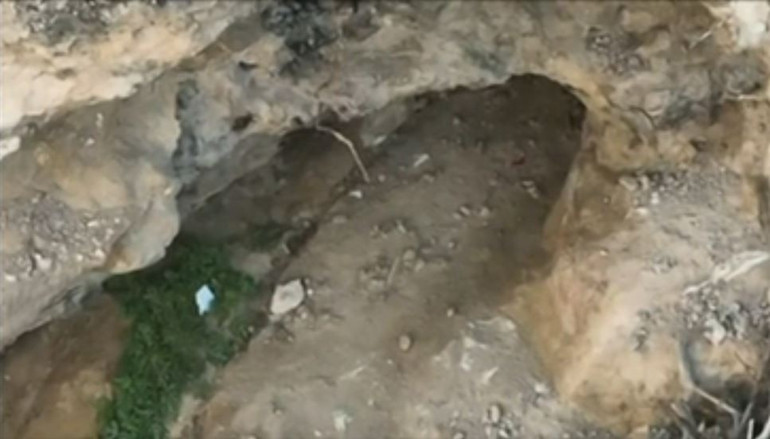
As the camps in Metina are left empty, the focus of the Turkish state remains on the horizon of a "Terror-Free Turkey." Security sources have reiterated that every step taken within the framework of this mission is a harbinger of a more peaceful future for the entire nation. The evacuation of the Hebat, Yajk, Sabri, and Sason areas is not just a tactical victory but a symbolic move that signals the beginning of a new era.
The government’s message remains one of determined optimism. By combining a firm stance against terrorism with a compassionate approach toward social integration and legal reform, the state aims to permanently end the threat of the PKK/KCK. The ultimate objective, as stated by security officials, is to ensure that all citizens of the Republic of Turkey can live hand-in-hand in a climate of security, prosperity, and mutual respect.
The "Terror-Free Turkey" process continues to be monitored closely both domestically and internationally. As the legal deferment periods begin for those returning and as the monitoring commission continues its work in the TBMM, the success of this historical transformation will depend on the continued commitment to the principles of national solidarity and the rule of law. For now, the empty camps in the rugged terrain of northern Iraq stand as a testament to a process that is moving forward with unprecedented momentum.