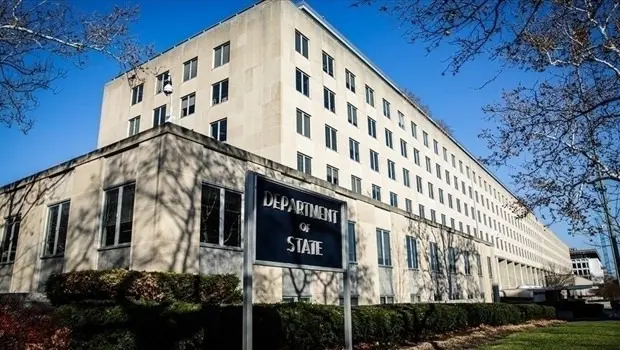
The United States Department of State has issued an updated regional security alert and travel advisory for American citizens currently residing in or planning to visit the Middle East. The diplomatic warning cites an increasingly volatile and unpredictable security environment across the region, driven by escalating tensions between the United States and Iran that continue to raise widespread regional safety concerns.
In its official security announcement, the State Department emphasized that the overall security atmosphere across the Middle East remains highly complex and subject to rapid, unforeseen changes. Diplomatic officials reiterated their call for all U.S. nationals present in the region to exercise heightened caution, maintain a high level of situational awareness, and continuously monitor official communications for real-time security developments.
The updated guidance reinforces existing multi-tiered travel warnings, categorizing various nations and territories across the Middle East under two of the U.S. government’s highest risk levels: Level 3 ("Reconsider Travel") and Level 4 ("Do Not Travel").
According to the State Department’s classification system, a significant number of destinations across the Levant and the Arabian Peninsula remain under a Level 3 advisory, which explicitly instructs American citizens to reconsider any travel plans due to serious potential threats to personal safety and security. The countries and territories designated under Level 3 include Bahrain, Israel, the West Bank, Jordan, Kuwait, Oman, Qatar, Saudi Arabia, and the United Arab Emirates.
For these Level 3 destinations, while travel is not entirely prohibited by diplomatic guidance, the State Department strongly urges citizens to thoroughly evaluate the necessity of their travel and to weigh the inherent risks before embarking on journeys. Those who must remain in or travel to these areas are advised to review personal security strategies and prepare for sudden changes in regional conditions.
Conversely, the State Department maintained its most urgent and restrictive directive, Level 4 ("Do Not Travel"), for several high-risk nations and conflict-affected areas where the risk of armed engagement, civil instability, or direct violence presents an acute hazard to human life. The destinations remaining strictly under Level 4 advisories include Iran, Iraq, Lebanon, Syria, Gaza, and Yemen.
Under Level 4 guidelines, the U.S. government explicitly warns citizens that traveling to these zones poses extreme dangers, including the threat of active hostilities, arbitrary detention, or severe infrastructure disruption. Furthermore, officials emphasize that the U.S. government’s ability to provide routine or emergency consular assistance to American citizens in Level 4 destinations may be severely limited, constrained, or entirely absent due to ongoing diplomatic suspensions, active conflicts, or local security restrictions.
The reissued advisories come amid persistent geopolitical friction between Washington and Tehran, a dynamic that heavily influences the broader security architecture of the Middle East. Because security conditions in the region are closely interconnected, localized flashpoints or political confrontations can quickly reverberate across neighboring territories, international transit routes, and commercial air corridors. The State Department’s comprehensive guidance reflects a recognition that sudden escalations can occur with minimal advance warning, requiring citizens across the entire geographic region to remain vigilant regardless of their specific location.

"Locate the Nearest Shelter Immediately": U.S. Citizens Urged to Exercise Extreme Vigilance
In response to the potential for sudden conflict or localized security breakdowns, the State Department issued a series of specific, actionable safety recommendations aimed at mitigating risks for American nationals currently located in affected regions.
Central to these protective measures is an urgent recommendation directing U.S. citizens to identify and familiarize themselves with the location of the nearest emergency shelters in advance. Diplomatic officials stressed that individuals should not wait for an active security emergency or military escalation to unfold before determining where to seek refuge. Recognizing the locations of fortified structures, designated safe rooms, bomb shelters, or secure basement facilities in hotels, residential buildings, and workplace environments is highlighted as a fundamental component of personal emergency readiness.
In addition to locating emergency shelters, the State Department outlined essential personal conduct guidelines designed to minimize individual exposure to potential security threats. American citizens are explicitly advised against traveling in large groups or organizing public gatherings that could draw undue attention. In high-risk environments, maintaining a low profile and avoiding behaviors, attire, or routine patterns that visibly highlight one’s foreign nationality are considered critical steps for personal safety.
The advisory also cautions Americans to steer clear of areas known to carry elevated risk factors. Citizens are urged to avoid political demonstrations, public protests, large crowds, military installations, government complexes, and border regions where localized skirmishes or civil unrest are more likely to manifest. Careful pre-trip planning and route selection are advised to ensure that daily travel avoids vulnerable areas where emergency response capabilities might be delayed or unavailable.

To stay informed of rapidly changing security dynamics, the State Department calls on U.S. nationals to establish reliable lines of communication and remain plugged into official diplomatic alert systems. Citizens are encouraged to register their travel plans with local U.S. embassies or consulates and actively monitor official communication platforms, including consular websites and verified social media channels, for authoritative security updates. Staying continuously informed via official bulletins enables travelers and foreign residents to make prompt, well-considered decisions regarding their personal safety, daily movements, and contingency plans.
The distinction between Level 3 and Level 4 advisories illustrates the nuanced assessment of threats maintained by U.S. diplomatic authorities across different sectors of the region. For citizens located in Level 3 territories—such as Bahrain, Israel, the West Bank, Jordan, Kuwait, Oman, Qatar, Saudi Arabia, and the United Arab Emirates—diplomatic infrastructure and commercial transport options remain generally operational. However, the overarching potential for rapid regional escalation necessitates that individuals maintain constant contact with airlines, secure travel insurance, keep essential documentation readily available, and formulate clear exit strategies should regional security conditions deteriorate.
For those in Level 4 destinations—such as Iran, Iraq, Lebanon, Syria, Gaza, and Yemen—the baseline environment is characterized by intense active security hazards. In these areas, the State Department reminds citizens that standard government emergency support cannot be guaranteed. Citizens who choose to remain in Level 4 zones despite official warnings are advised to prepare for prolonged period shelter-in-place scenarios, maintain stockpiles of essential supplies, and possess independent emergency communications capabilities.
By issuing these detailed travel warnings and practical safety guidelines, the U.S. Department of State aims to ensure that American nationals throughout the Middle East are fully cognizant of the current security landscape. As regional dynamics continue to evolve, diplomatic authorities maintain that continuous vigilance, thorough advance planning, and strict adherence to official security advisories remain the most effective means for citizens to protect themselves against unexpected developments.