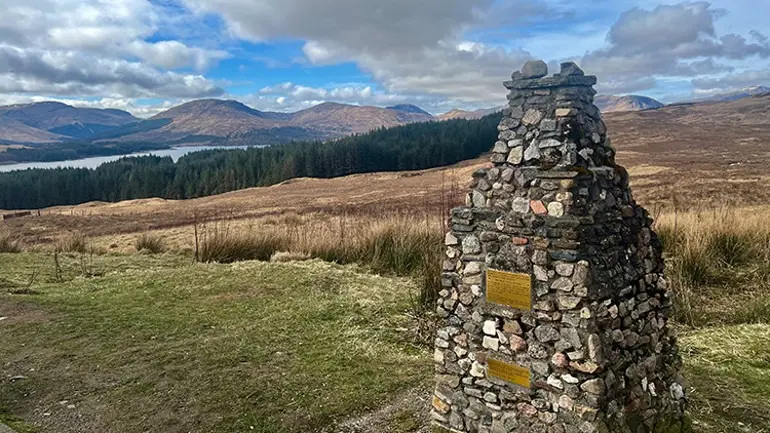
EDINBURGH — When autumn settles over Scotland, the landscape undergoes a dramatic transformation. Rolling glens are draped in thick morning fog, jagged granite peaks emerge from passing rain clouds, and vibrant rainbows frequently cut through grey skies. This constantly shifting climate enhances a geography that feels unlike anywhere else on Earth. Beyond its physical grandeur, Scotland’s allure is deeply tied to its historical identity—a legacy forged through centuries of conflict with England, an enduring clan culture, the echoes of bagpipes, traditional tartan kilts, and the craft of Scotch whisky production.
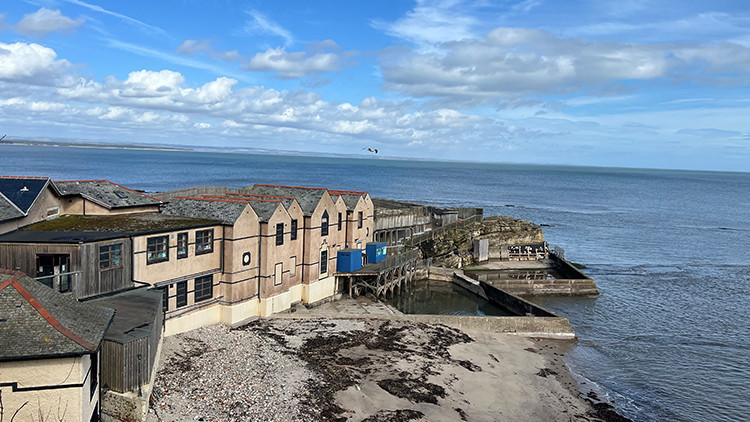
To fully absorb this distinct atmosphere, travelers often embark on a circular journey encompassing the vast expanse of the country. Beginning in the historic capital of Edinburgh and winding clockwise across nearly 2,000 kilometers, a road trip through the Scottish Highlands reveals a landscape defined by natural beauty, cinematic vistas, and rich folklore.
Loch Lomond and the Picturesque Haven of Luss
Following an initial two-day stay exploring Edinburgh, the journey westward leads toward the rugged northern territories. The first major destination along this route is the Loch Lomond and The Trossachs National Park, a protected region spanning nearly 2,000 square kilometers. Home to Britain’s largest lake by surface area, Loch Lomond is a renowned sanctuary for hikers, outdoor enthusiasts, and anglers drawn to its salmon and trout-filled waters.

Traveling through the Highlands requires a degree of flexibility, as the regional weather is notoriously volatile and often demands quick adjustments to travel plans. As the route reaches the southern shore of Loch Lomond, dark clouds and heavy rain can swiftly roll across the terrain, concealing the 40-kilometer-long body of water behind a thick curtain of fog.
Despite such overcast conditions, small coastal settlements along the shore retain an undeniable charm. On the western bank sits the village of Luss, where small cottages built from brownish-grey sandstone stand lined with colorful garden blossoms. Set against the muted backdrop of misty mountains and iron-grey skies, the visual contrast viewed from the village pier offers an striking welcome to the Highlands.

Oban: The Coastal Gateway to the Hebrides
Continuing along the western corridor brings travelers to Oban, a bustling coastal town with a population of approximately 8,500 residents. Oban serves as a vital transit hub for the region, operating regular ferry services connecting the mainland to the islands of the Hebrides, including Mull, Barra, and Colonsay.
Compact and easily navigable on foot, the heart of Oban revolves around its vibrant harbour district, where the scent of fresh seafood fills the air and small art galleries line the nearby streets. Looking inward from the waterfront pier, two distinct landmarks dominate the urban skyline: the historic Oban Distillery and McCaig’s Tower. Perched atop Battery Hill overlooking the bay, McCaig’s Tower—constructed in the late 19th century—closely mirrors the architecture of Rome’s Colosseum, featuring 94 grand stone arches that form the town’s most recognizable architectural symbol.

Glencoe: Dramatic Scenery and History in the "Valley of Tears"
Heading northeast from Oban, the roadway enters Glencoe, universally recognized as one of Scotland’s most breathtaking natural wonderlands. Characterized by towering mountain walls, narrow mountain passes, cascading waterfalls, and the winding currents of the River Coe, the valley presents an imposing, cinematic terrain. Its dramatic scale has made it a favored backdrop for major film productions, serving as a location for cinematic works such as Braveheart, Highlander, and the Harry Potter series.
Yet, behind Glencoe’s magnificent topography lies a tragic past. Known historically as the "Valley of Tears," the glen was the site of the infamous Glencoe Massacre in the late 17th century, during which members of the Campbell clan turned against their hosts, the MacDonald clan, in a brutal betrayal that remains etched into Scottish history.
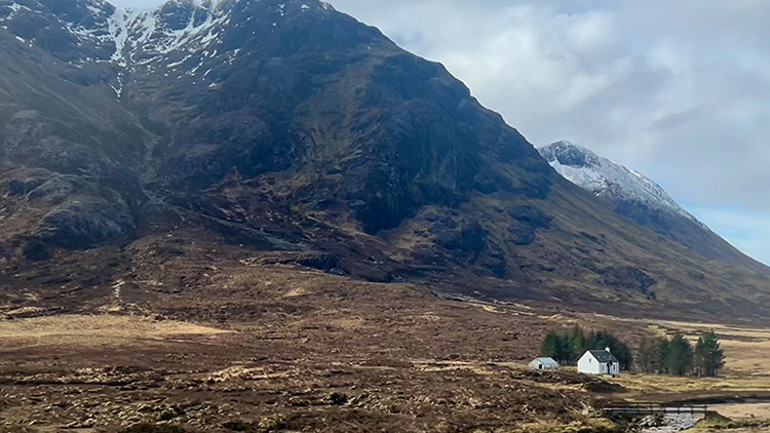
Among the vast wilderness of the glen, travelers along the A82 road often look for an iconic solitary structure known globally as the "Wee White House." Officially named the Lagangarbh Hut (or Lagangarbh Cottage), this small white building sits isolated near the banks of the River Coupall. Standing in stark contrast at the base of Buachaille Etive Mòr—a massive, pyramid-shaped mountain—the cottage remains one of the most photographed structures in the Highlands.
Fort William and the Medieval Relics of Inverlochy
Further along the route lies Fort William, a principal tourism hub situated at the foot of Ben Nevis, the highest peak in the British Isles. The town also marks the northern terminus of the West Highland Way, a celebrated 165-kilometer long-distance trekking route that weaves through the heart of the country.
When torrential rains render mountain ascents impractical, the surrounding lowlands offer rich historic alternatives. Just outside the town stand the ruins of Old Inverlochy Castle. Dating back to the 13th century, this medieval fortress played a crucial strategic role during key historical conflicts in Scottish history. Though large portions of the castle now lie in ruin, its surviving stone curtain walls and corner towers offer visitors a compelling glimpse into medieval military fortification.
In the Footsteps of Cinema: The Glenfinnan Viaduct
A short 30-minute drive west from Fort William leads to Glenfinnan, a location revered by history enthusiasts and cinema lovers alike. Spanning 380 meters across a green valley, the massive 21-arch Glenfinnan Viaduct stands as a remarkable feat of Victorian concrete engineering. The site has attained global fame due to its appearance in the Harry Potter film franchise, where the historic Jacobite steam train crosses the viaduct, bringing the fictional Hogwarts Express to life.
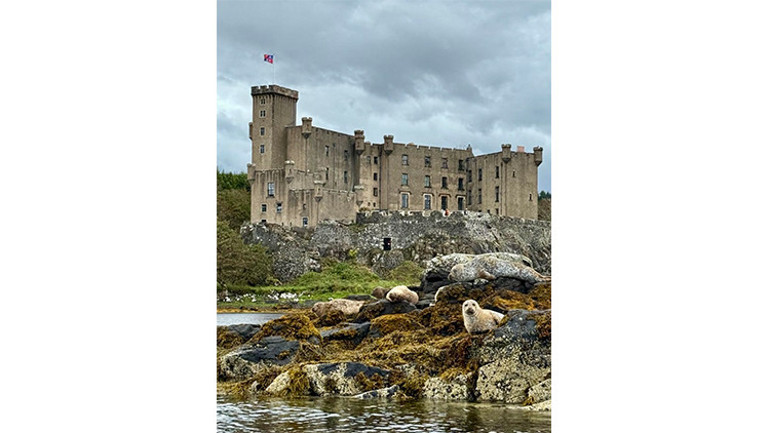
Reaching the primary viewing points requires a brief five-minute walk from the visitor center. However, those seeking shelter under the arches during sudden rain showers often contend with another famous Scottish phenomenon: swarms of Highland midges, tiny biting insects prevalent in damp weather. For those who trek up the hillside trail, the elevated viewpoint rewards travelers with a classic vista that sweeps across the viaduct, the waters of Loch Shiel, and the nearby Glenfinnan Monument.
Eilean Donan Castle: Scotland’s Photographic Masterpiece
Before crossing over to the Isle of Skye, the route passes Eilean Donan Castle, arguably the most iconic and photographed fortress in Scotland. Situated on a small tidal islet where three sea lochs meet—Loch Duich, Loch Long, and Loch Alsh—the castle is connected to the mainland by an arched stone footbridge. During high tide, the surrounding water isolates the stone structure, creating an idyllic landscape.
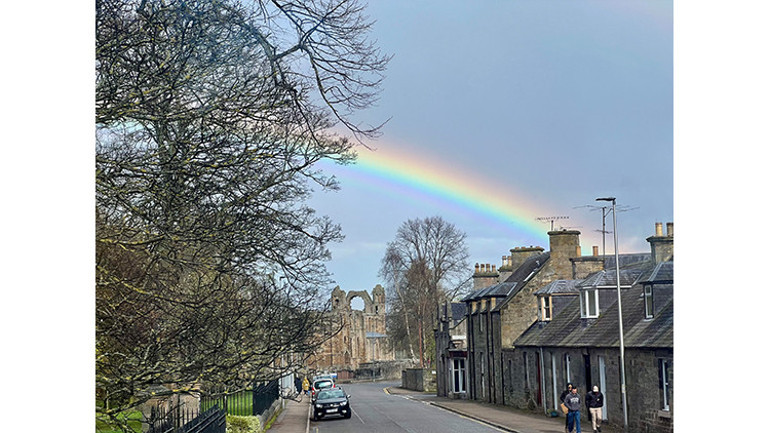
Originally constructed in the early 13th century as a defense against Norse raids, the castle was destroyed in the 18th century during the Jacobite risings and lay in ruins for nearly two centuries before undergoing a meticulous reconstruction in the early 1900s. Today, its restored banqueting halls, medieval kitchens, and residential chambers allow visitors to step directly into the daily lives of historical castle occupants.
The Isle of Skye: Shifting Elements and Geological Wonders
Crossing the Skye Bridge brings travelers onto the Isle of Skye, the largest and most famous island of the Inner Hebrides. Renowned for its folklore, single malt whisky, and wild terrain, Skye is equally infamous for its localized climate. It is not uncommon for brilliant sunlight to illuminate one part of the island while heavy downpours and thick fog engulf a valley just a few kilometers away. While the southern Cuillin Hills may be completely veiled in mist, the northern coastline can simultaneously enjoy clear skies.
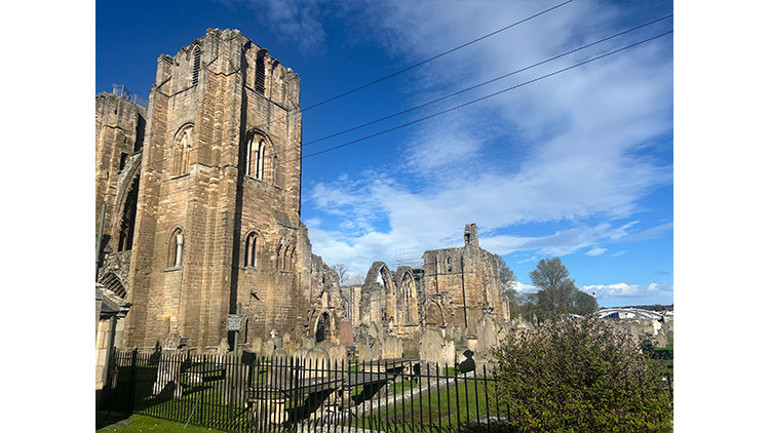
Portree, the island’s primary town, serves as a central base for exploring Skye. Its picturesque harbor, lined with brightly painted pastel buildings, provides a quiet haven amidst the unpredictable elements. Beyond the town, Skye hosts several extraordinary geological formations:
- The Old Man of Storr: Located along the Trotternish ridge, this towering stone pinnacle is one of the island’s most famous landmarks. Reached via a popular hiking trail, the round-trip trek covers roughly four kilometers from the trailhead parking area.
- Lealt Falls: A dramatic, easily accessible waterfall that plunges through a steep gorge toward the sea, making it a convenient stop along the eastern coastal road.
- Kilt Rock and Mealt Falls: Formed over 60 million years ago by intense volcanic activity, these sheer basalt sea cliffs resemble the pleats of a traditional Scottish kilt. From the clifftop lookout, the Mealt Waterfall plunges directly into the ocean below. The area is also notable for the preservation of ancient dinosaur footprints fossilized along the coastline.
Loch Ness: Pursuing the Legend in the Deep Highlands
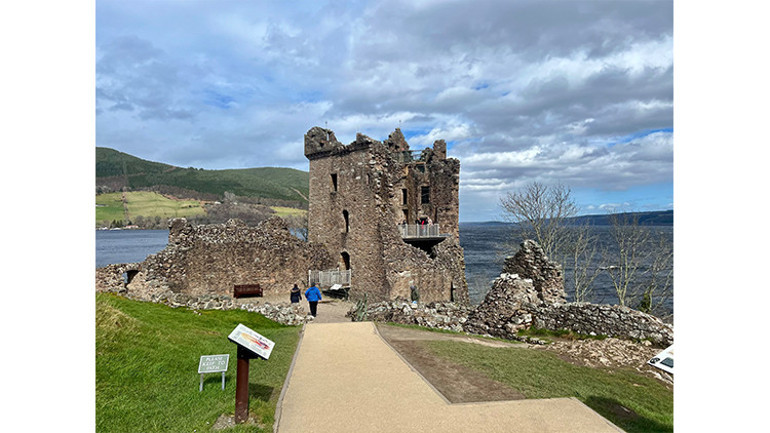
Departing the Isle of Skye and returning to the mainland, the circuit turns toward Loch Ness, home to one of the world’s most famous mysteries. For centuries, folklore has told of "Nessie," a mythical creature said to inhabit the dark, icy depths of this vast freshwater loch. Containing more fresh water than all the lakes in England and Wales combined, the sheer depth and peaty waters of Loch Ness create an enigmatic atmosphere.
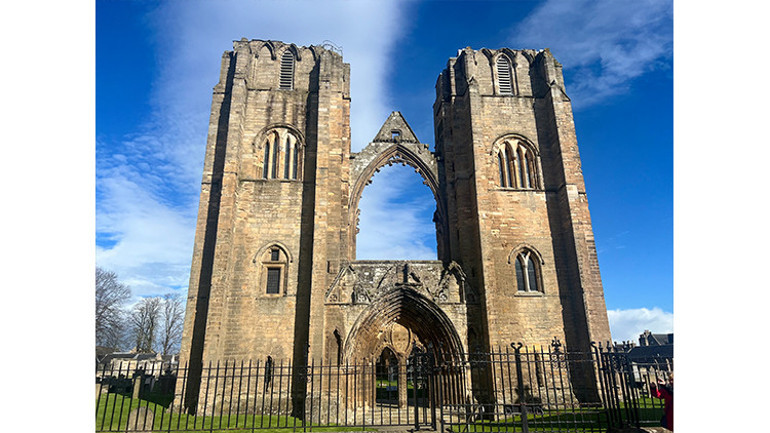
Boat cruises along the loch offer visitors an opportunity to experience the scale of the waterway firsthand. On the western shore, the village of Drumnadrochit has built its local identity around the monster legend, housing exhibition centers and themed attractions. While modern scientific surveys have found no concrete proof of a prehistoric monster, the enduring mystery provides an intriguing final chapter to a Highland journey.
Essential Insights for Highlands Travelers
The northern and western mountain regions of Scotland—collectively known as the Highlands—represent one of Europe’s most untouched wilderness areas. Characterized by vast expanses of open terrain and sparse populations, navigating the region successfully requires practical preparation.
- Transportation and Duration: Renting a vehicle or booking an organized tour is essential for reaching the more remote corners of the Highlands. A minimum of five days is recommended to adequately cover the main circular routes without excessive driving strain.
- Travel Times: Distance metrics can be deceiving on Scottish maps. Due to narrow, winding roads and single-track routes with designated passing places, traveling a distance of 100 kilometers often takes significantly longer than on standard highways.
- Packing and Gear: Regardless of the season, travelers should carry sturdy waterproof footwear, high-quality rain gear, and warm layered clothing to adapt to rapid weather shifts. Additionally, visitors traveling from outside the UK must bring a Type G electrical adapter (the standard three-prong UK plug).
- Accommodations: Lodging options across the Highlands frequently consist of traditional lodges, small inns, or guesthouses, many of which feature shared facility layouts. Travelers seeking high-end luxury accommodations should research and reserve their stays well in advance due to limited availability in rural areas.
Though autumn in the Scottish Highlands introduces challenging weather conditions, the reward is a landscape of unparalleled atmosphere. From fog-laden glens to sudden bursts of sunlight over ancient stone castles, the mystical spirit of northern Scotland continues to captivate travelers at every turn along the road.