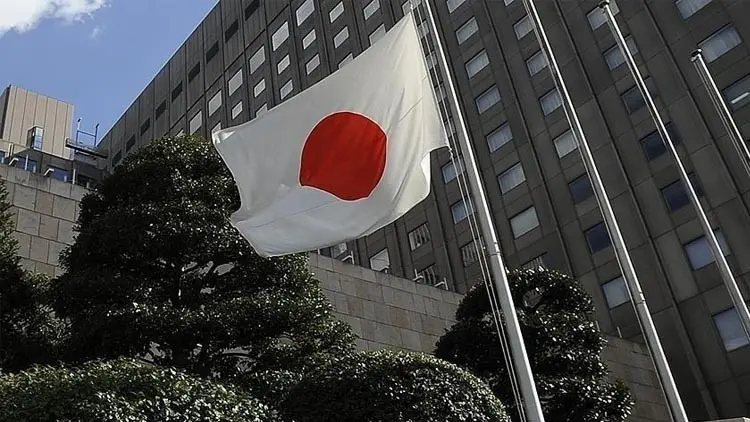
TOKYO — Japan’s Ministry of Foreign Affairs has officially downgraded its travel safety advisories for seven Middle Eastern countries following a significant diplomatic agreement reached between Iran and the United States. The decision, reported by Japanese public broadcaster NHK, reflects a revised risk assessment by Tokyo as regional tensions show signs of easing in the wake of recent diplomatic breakthroughs.
The adjustment in travel warnings applies to the United Arab Emirates, Oman, Qatar, Kuwait, and Bahrain, as well as designated regions within Saudi Arabia and Jordan. Under the updated guidelines issued by Japanese foreign ministry officials, the threat levels for these destinations have been lowered from Level 3 to Level 2, signaling a cautious return toward normalized travel and commercial activities across key parts of the region.
The policy shift comes shortly after a major diplomatic development on June 14, when Iran and the United States formally announced a comprehensive 14-point consensus negotiated through the mediation of Pakistan. The accord calls for an immediate cessation of armed conflict and establishes a structured diplomatic framework to resolve ongoing bilateral disputes through structured dialogue rather than military confrontation.
Japan Announces Easing of Travel Advisories for 7 Middle Eastern Countries Following Agreement Reached Between Iran and the US
The decision by Japanese authorities to lower advisory levels represents a calibrated response to the changing security climate in the Middle East. For months, elevated geopolitical tensions had prompted foreign ministries worldwide, including Japan’s, to maintain strict safety warnings for citizens traveling to or residing in the region.
According to reports from state broadcaster NHK, the Japanese Ministry of Foreign Affairs conducted a thorough re-evaluation of security risks in neighboring states following the announcement of the US-Iran framework. The reduction from Level 3 to Level 2 covers five entire Gulf nations—the United Arab Emirates, Oman, Qatar, Kuwait, and Bahrain—alongside specific geographic areas within Suudi Arabia and Jordan.
Under Japan’s standardized four-tier travel safety system, a Level 3 advisory explicitly urges citizens to avoid all travel to specified areas, regardless of the purpose, due to severe security risks or potential armed instability. In contrast, a Level 2 advisory advises citizens to cancel or postpone non-essential travel, while allowing for necessary business or official travel provided that heightened safety precautions are taken.
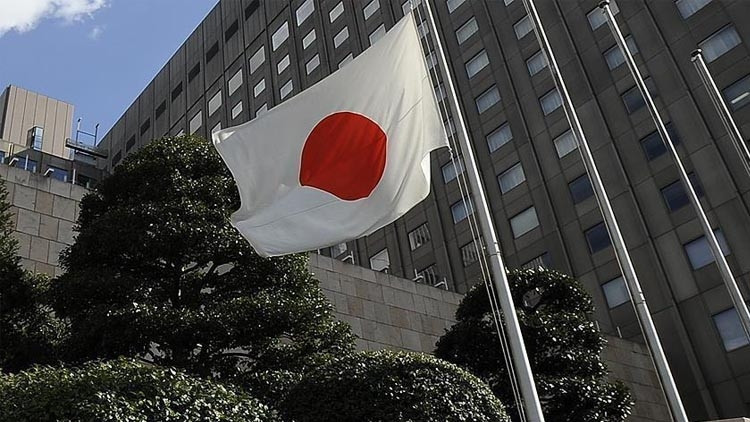
By shifting these seven destinations to Level 2, Tokyo is acknowledging a measurable decline in immediate conflict risks for surrounding Gulf and neighboring countries, even as authorities continue to monitor the broader political atmosphere closely.
While travel warnings were lowered for much of the Gulf region and parts of the Levant, Japanese officials confirmed that strict precautions remain active elsewhere. Japan is maintaining its Level 3 travel advisory for the vast majority of Israel, citing lingering security uncertainties and ongoing operational risks in those specific areas.
The retention of the Level 3 alert for Israel highlights Tokyo’s selective approach to security assessments, distinguishing between regions directly experiencing active instability and neighboring states where the security climate has stabilized following the diplomatic accord between Washington and Tehran.
The catalyst for Japan’s policy adjustment was the breakthrough agreement announced on June 14 between Washington and Tehran. Following intense diplomatic negotiations facilitated by Pakistan, both nations agreed to a 14-point consensus designed to halt hostilities and establish peaceful mechanisms for addressing longstanding grievances.
The agreement emphasizes a mutual commitment to stopping direct and indirect military confrontations, stabilizing critical trade and maritime corridors, and channeling future disagreements through dedicated bilateral and multilateral talks. Pakistan’s role as an intermediary was crucial in bridging communications between the two capitals, ultimately paving the way for the consensus that facilitated broader regional de-escalation.
The positive outcome of the Pakistani-mediated talks provided the justification needed for international security analysts and foreign ministries to re-assess regional risk levels. The reduction in hostiles between the US and Iran directly reduces threat perceptions for neighboring Gulf states, which historically bear significant exposure to regional escalation due to their geographical proximity and economic ties.

For Japan, maintaining accurate travel warnings is a vital component of its foreign policy and national security operations. The Japanese government relies heavily on stable international trade routes and secure conditions for its extensive network of commercial enterprises operating across the Middle East.
The Gulf states—particularly the United Arab Emirates, Qatar, Saudi Arabia, Kuwait, Oman, and Bahrain—play a vital role in global trade, civil aviation, logistics, and international commerce. Easing travel advisories enables Japanese businesses, technical experts, and corporate representatives to resume essential operational planning, transit, and economic engagements with greater confidence under Level 2 guidelines.
The Ministry of Foreign Affairs in Tokyo emphasized that while the situation has improved enough to warrant the downgrade, travelers and residents in the affected nations should remain cautious. Citizens are urged to stay informed about local developments, register with local embassy networks, and remain prepared for swift changes in security conditions should diplomatic circumstances evolve.
The diplomatic consensus achieved on June 14 represents one of the most substantial framework agreements between Washington and Tehran in recent years. By choosing Pakistan as a neutral diplomatic bridge, both sides were able to establish a structured 14-point roadmap aimed at preventing accidental confrontation and fostering long-term stability.
The reduction of military readiness levels and the formal commitment to dialogue under the accord have had an immediate stabilizing effect on surrounding regional territories. Nations across the Arabian Peninsula and the wider Middle East had previously faced heightened security alerts due to the risk of cross-border disruptions or air space restrictions stemming from US-Iran hostilities.
With the implementation of the 14-point accord underway, regional airspace and maritime routes have experienced diminished operational hazards, allowing foreign governments like Japan to gradually roll back precautionary measures that were instituted during the peak of tensions.

Despite the easing of warnings across seven nations, the Japanese government’s choice to keep Level 3 advisories active for most of Israel demonstrates that Tokyo views regional stability as an ongoing, multi-faceted process. Japanese diplomatic missions in the region continue to keep their emergency contact systems active and are continuously monitoring compliance with the June 14 agreement.
The Ministry of Foreign Affairs noted that travel risk ratings remain subject to continuous review. Should the implementation of the US-Iran consensus progress smoothly, further adjustments to regional travel guidance could be considered in the future, provided that safety conditions across the Middle East remain stable.
For now, the lowering of advisories to Level 2 for the UAE, Oman, Qatar, Kuwait, Bahrain, and parts of Saudi Arabia and Jordan marks an encouraging step toward normalcy, reflecting the tangible impact of diplomatic negotiations on everyday international movement and security policy.