RIYADH — A series of loud explosions rattled the Saudi capital of Riyadh following the blare of public alarm sirens, marking another tense chapter in the ongoing aerial confrontations between Saudi defense forces and Yemen’s Houthi movement. Saudi civil defense authorities initially activated early warning alerts across the capital before later declaring that the immediate danger had cleared.
The Saudi-led Arab Coalition announced that its air defense batteries successfully engaged and destroyed an incoming ballistic missile launched toward the metropolitan center by Houthi forces operating in Yemen. Conversely, military spokespersons representing the Yemeni group asserted that their strike had successfully hit its target, claiming a direct impact on King Khalid International Airport on the outskirts of the capital.
The dramatic exchange in the skies over Riyadh comes amid an intense and expanding wave of cross-border aerial assaults that have increasingly focused on civilian and military aviation hubs across Saudi Arabia. Over the past week alone, hostile projectiles have repeatedly targeted critical transport nodes, resulting in significant casualties, disruptions to commercial aviation schedules, and a series of emergency diplomatic alerts regarding citizen safety and diplomatic movement within the kingdom.
Three Blasts Heard Across Riyadh After Warning Sirens
The incident began when the Saudi Civil Defense Directorate activated the kingdom’s centralized early warning network, sounding alarms that resonated across multiple districts of the capital. Residents throughout Riyadh were startled by the sudden emergency signals, which were quickly followed by the sound of three consecutive, powerful blasts reverberating through the city.
Witnesses across residential and commercial sectors reported hearing the distinct concussions in rapid succession, prompting widespread concern among local populations. Shortly after the sirens sounded and the detonations echoed across the urban landscape, the General Directorate of Civil Defense issued a public statement via its official social media channels, advising the public that the emergency alert mechanisms had been deployed in response to an active aerial threat.
In a subsequent follow-up announcement published a short time later, civil defense officials confirmed that the active phase of the hazard had passed, signaling an end to the immediate shelter guidance. The emergency agency, however, did not initially release technical specifics regarding the exact nature of the incoming projectile, its trajectory, or whether falling fragmentation had caused any localized damage on the ground.
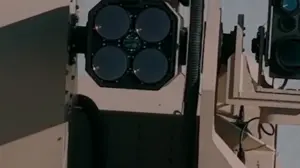
Clarity regarding the source of the blasts was subsequently provided by the military leadership of the Arab Coalition. Major General Turki al-Malki, serving as the official spokesperson for the coalition forces supporting the internationally recognized government in Yemen, published a statement confirming that an incoming ballistic missile had been detected heading directly toward the capital. According to Major General al-Malki, royal air defense units tracked the incoming weapon and executed an aerial interception, neutralizing and obliterating the ballistic threat before it could impact populated zones.
The interception over Riyadh forms part of a broader, sustained trend of cross-border operations carried out by the Iran-backed Houthi movement. Over recent periods, the group has persistently launched arrays of ballistic missiles along with fleets of loitering uncrewed aerial vehicles directed at both the capital and vital infrastructure located in the southern and eastern regions of Saudi Arabia.
Houthis Claim Strike on King Khalid International Airport
Following the reports of the loud detonations over the capital, the military leadership of the Houthi movement issued an official declaration offering a starkly divergent account of the evening’s operation. Yahya Saree, the military spokesperson for the group, stated that Houthi forces had carried out a precision ballistic missile operation targeting King Khalid International Airport, the main international aviation gateway serving Riyadh.
In his televised and public remarks, Saree claimed that the ballistic missile reached its intended destination and struck King Khalid International Airport with precision during the evening hours. In addition to the alleged attack on the kingdom’s primary air travel hub, the spokesperson claimed that Houthi units had mounted a simultaneous strike directed at the King Khalid Air Base situated in Khamis Mushait, a strategic military installation located in the mountainous southwestern region of Saudi Arabia.
The claims of direct hits on both facilities stood in sharp, immediate contradiction to the official assessments issued by the Arab Coalition and Saudi domestic authorities, who maintained that the hostile ballistic missile was entirely intercepted and neutralized by surface-to-air defense batteries before reaching any ground installation.
Beyond asserting responsibility for the missile launch, the Houthi military spokesman issued an explicit and sweeping warning directed at international aviation bodies and commercial air carriers operating across the globe. Saree declared that flight routes into and through Saudi Arabian airports could no longer be regarded as safe under present operational conditions. He formally cautioned airline operators, flight crews, and civilian travelers worldwide against utilizing airport infrastructure across the kingdom.
The Houthi official did, however, designate a specific geographic exemption within the broad travel advisory. Saree specified that the warning against using Saudi airports and air corridors did not apply to the holy cities of Mecca and Medina, asserting that air traffic and facilities serving those specific religious destinations would remain excluded from the group’s operational targeting.
Despite such carve-outs, the persistent employment of uncrewed aerial systems and ballistic weaponry by the Iran-backed faction against metropolitan and peripheral hubs has dramatically heightened the operational volatility surrounding commercial flight operations in the Arabian Peninsula.
US Embassy Issues Warning Over Detentions for Filming Interceptions
The heightened frequency of aerial incursions and subsequent defensive operations has also prompted unprecedented legal and security repercussions for foreign nationals residing within the kingdom. The Embassy of the United States in Riyadh issued an urgent security notice alerting American citizens that several individuals holding US nationality had recently been arrested and detained by local security services after recording imagery of incoming attacks and military air defense activity.
According to the diplomatic mission’s formal advisory, Saudi security organs have actively cracked down on individuals attempting to capture photographs or video footage of active air defense engagements. The embassy warned that this enforcement includes attempting to document surface-to-air interceptor missiles during flight, tracking uncrewed aerial vehicles through camera equipment, or visiting and photographing the crash sites where intercepted missiles, drones, or related wreckage have fallen.

The diplomatic advisory emphasized that Saudi domestic legislation severely restricts the unauthorized recording of military operations and national defense infrastructure. Furthermore, the embassy noted that the legal ramifications extend far beyond the physical act of filming; the publication, distribution, or digital broadcasting of such media across public internet platforms or private messaging applications also establishes severe legal liability under Saudi law.
Individuals who fail to observe these comprehensive prohibitions face immediate arrest and potential criminal detention by local authorities. In its public bulletin, the US Embassy referenced established directives issued by the Saudi Ministry of Interior, which continually stress the mandatory nature of local laws and security regulations for all expatriate residents and visiting foreign citizens.
While the mission underscored the reality of the recent detentions and warned Americans to exercise extreme vigilance, it did not disclose the precise number of US citizens who had been taken into custody under these enforcement actions.
Travel Restrictions Imposed on American Diplomats
In response to the deteriorating security situation and the recurrent threat posed by cross-border aerial attacks, the US diplomatic mission has simultaneously tightened its internal operating procedures and placed substantial travel limitations upon its official personnel.
The US Embassy in Riyadh announced that diplomatic employees and mission personnel are now strictly required to obtain formal, specialized clearance prior to using any commercial airport facilities within Saudi Arabia. The mandate reflects mounting apprehension regarding the vulnerabilities of civilian aviation infrastructure amid recurring missile and drone attempts.
Under the updated security mandates, American diplomatic staff are categorically barred from traveling to any areas situated within 20 miles—approximately 32 kilometers—of the kingdom’s international border with Yemen. This buffer zone encompasses high-risk border corridors where cross-border artillery, uncrewed systems, and short-range ballistic weaponry present consistent hazards.
In addition to the absolute border exclusion zone, the embassy has placed a wide array of provinces and regional urban hubs under strict movement protocols. Diplomats must now apply for and receive explicit, special permission before conducting official or private travel into the southern border provinces of Jizan, Asir, and Najran.
Furthermore, the requirement for advance travel authorization has been extended to several other strategically important urban centers throughout the kingdom, including the eastern city of Qatif, the western industrial and port city of Yanbu on the Red Sea coast, and the historic mountain city of Taif. These internal logistical constraints illustrate the profound security challenges confronting foreign representations as regional tensions continue to spill into the domestic sphere of the Arabian Peninsula.

Saudi Airports Face Wave of Aerial Assaults
The latest missile interception over Riyadh takes place against the backdrop of a remarkably sustained and coordinated offensive targeting the kingdom’s civil aviation network. Official reporting indicates that five separate airports across Saudi Arabia have been subjected to a cumulative total of 10 aerial attacks over the course of the past week alone.
This sustained wave of strikes has exacted a severe human and logistical toll. Across the targeted locations, at least 20 people have been killed, while hundreds more have suffered various degrees of injuries as a result of the detonations and flying debris. The strikes have caused noticeable physical damage to airport terminal grounds and runways, forcing aviation authorities to enact emergency ground stops, divert incoming air traffic, and cancel multiple domestic and international flight itineraries.
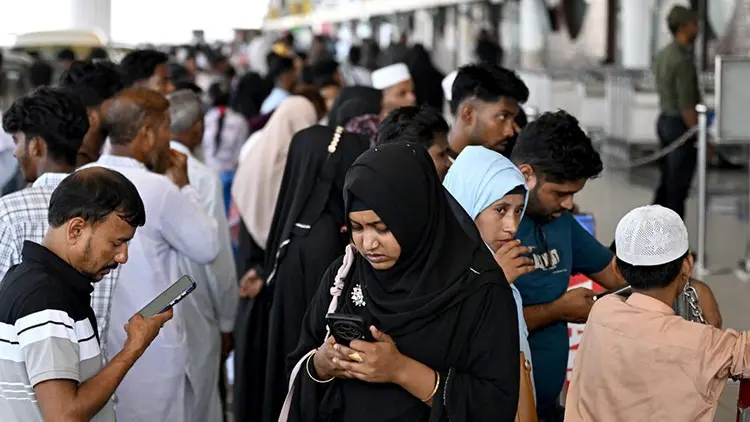
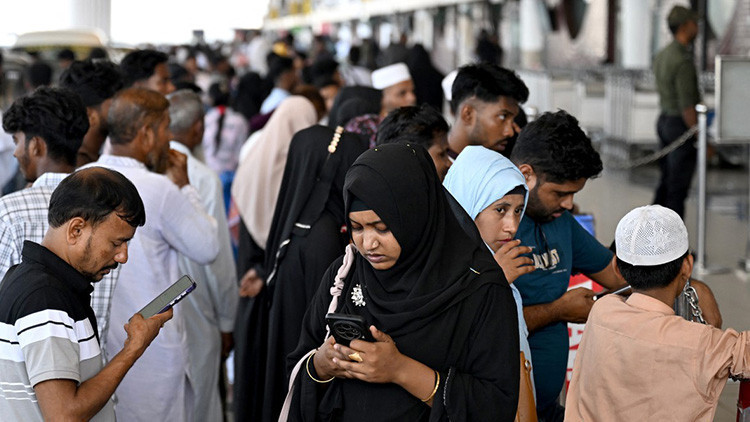
Among all the civil transportation facilities targeted during this seven-day span, King Khalid International Airport in Riyadh has borne the heaviest share of the offensive. The capital’s primary transit hub has been targeted on five distinct occasions over the seven-day period, a pattern of continuous harassment that forced authorities to temporarily suspend normal airport operations and freeze departures while security teams assessed runway conditions and cleared airspace risks.
The aerial assaults have also reached the kingdom’s industrial eastern seaboard. King Fahd International Airport, situated in the Eastern Province city of Dammam, came under attack twice during the same timeframe, demonstrating the expansive geographical reach of the weapons systems employed in the cross-border campaign.
Civilian air terminals located closer to the southern conflict zone have experienced continuous operational disruption as well. Abha International Airport, situated in the Asir province, was struck once during the week-long escalation, sustaining fire from hostile aerial platforms. Similarly, King Abdullah bin Abdulaziz International Airport in the coastal border province of Jizan was targeted on one occasion, as was Najran International Airport, located adjacent to the southwestern border with Yemen.
The concentrated targeting of these five major transport hubs—stretching from the capital of Riyadh to the Persian Gulf coast and the southern border highlands—underscores the severe, multi-front pressure currently exerted on Saudi Arabia’s national airspace and critical transportation architecture.